
Last updated November 22, 2026
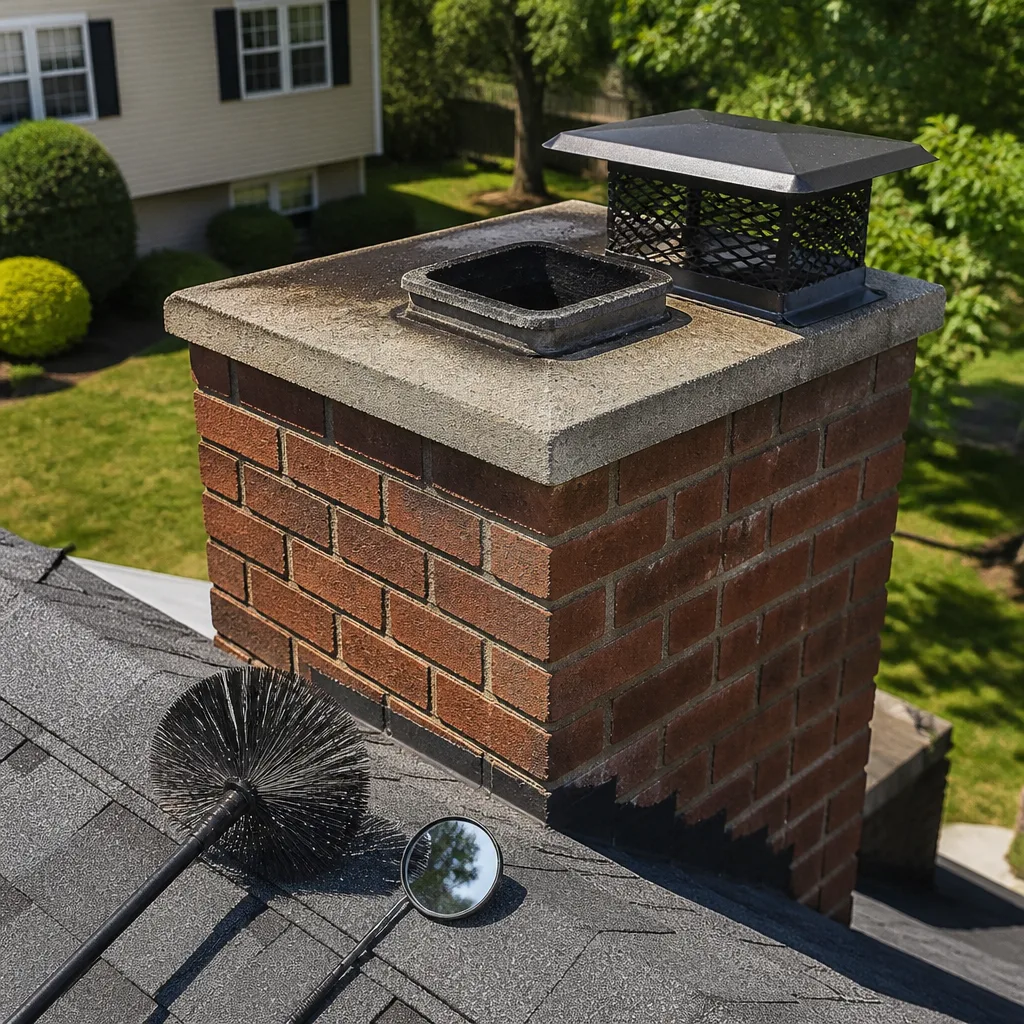 Sweep & inspection
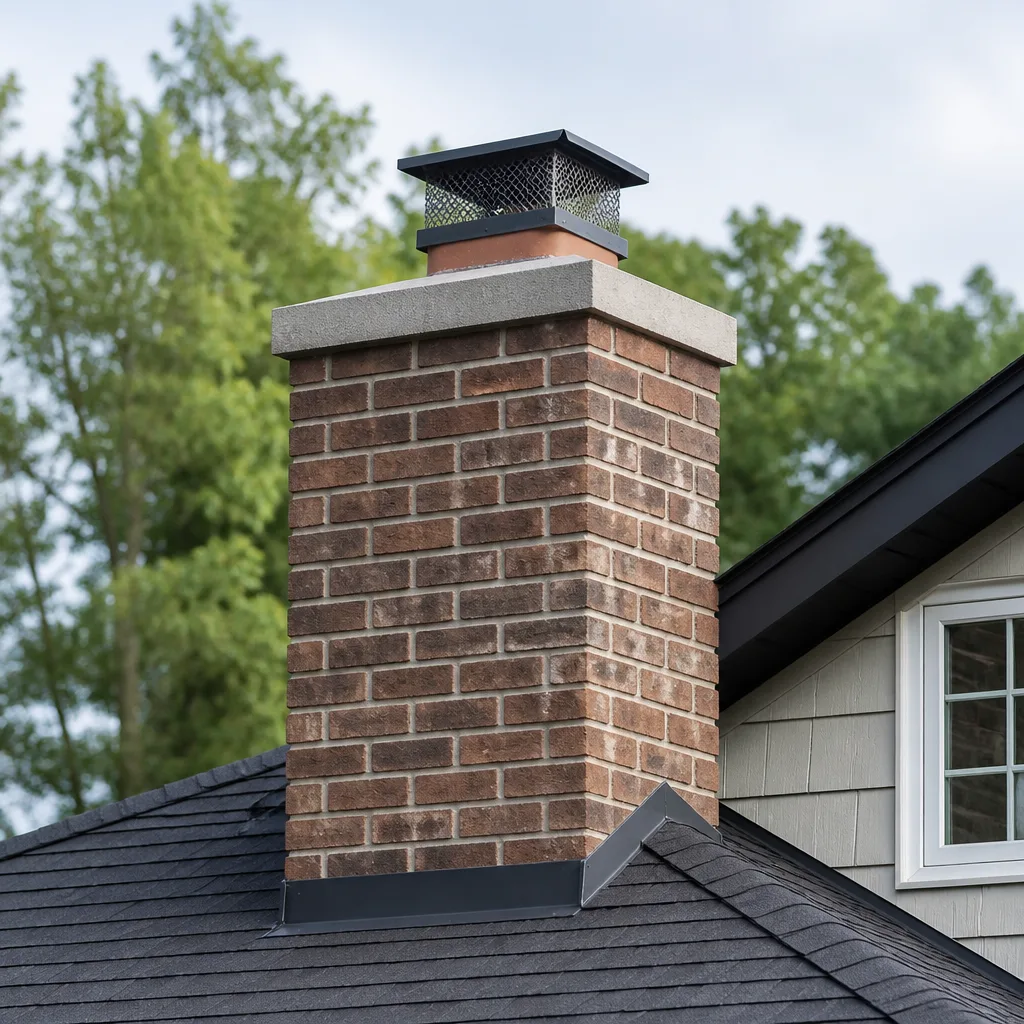 Caps & crowns
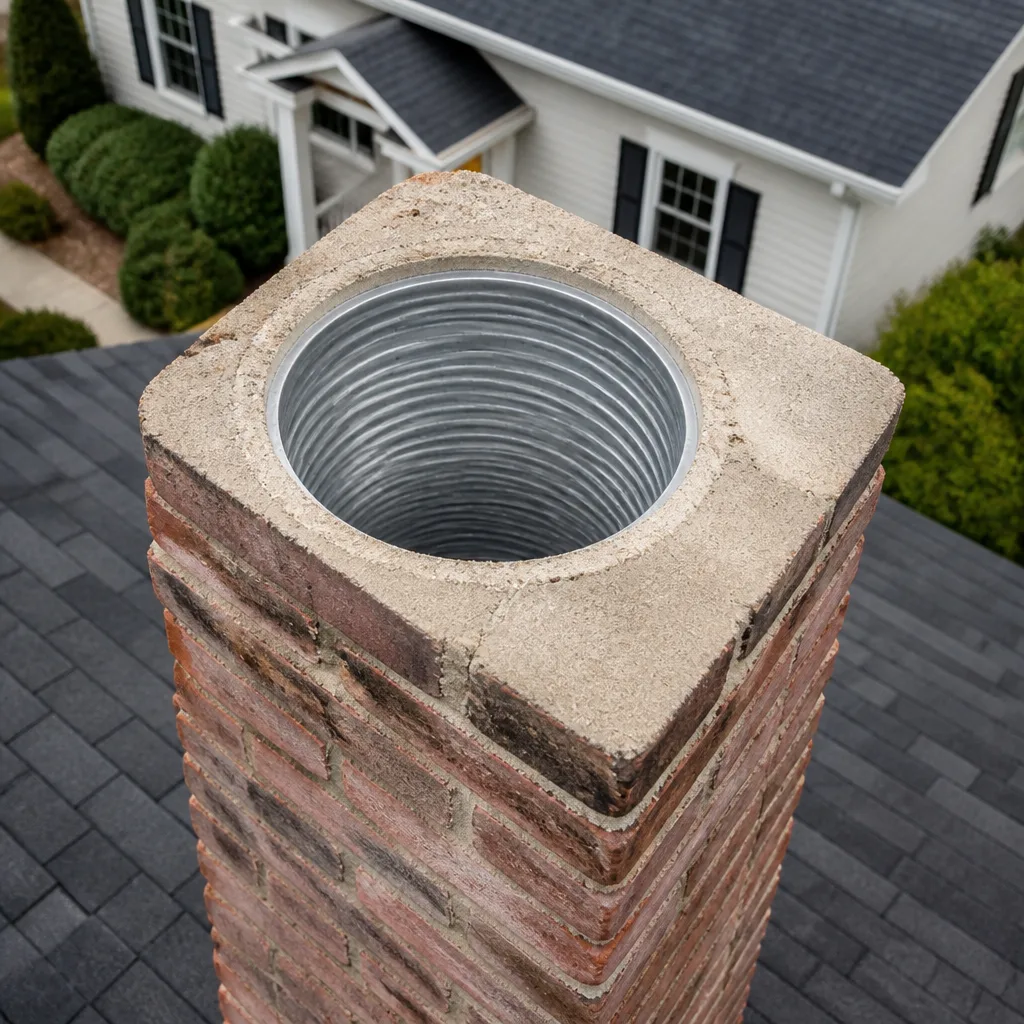 Flue relining
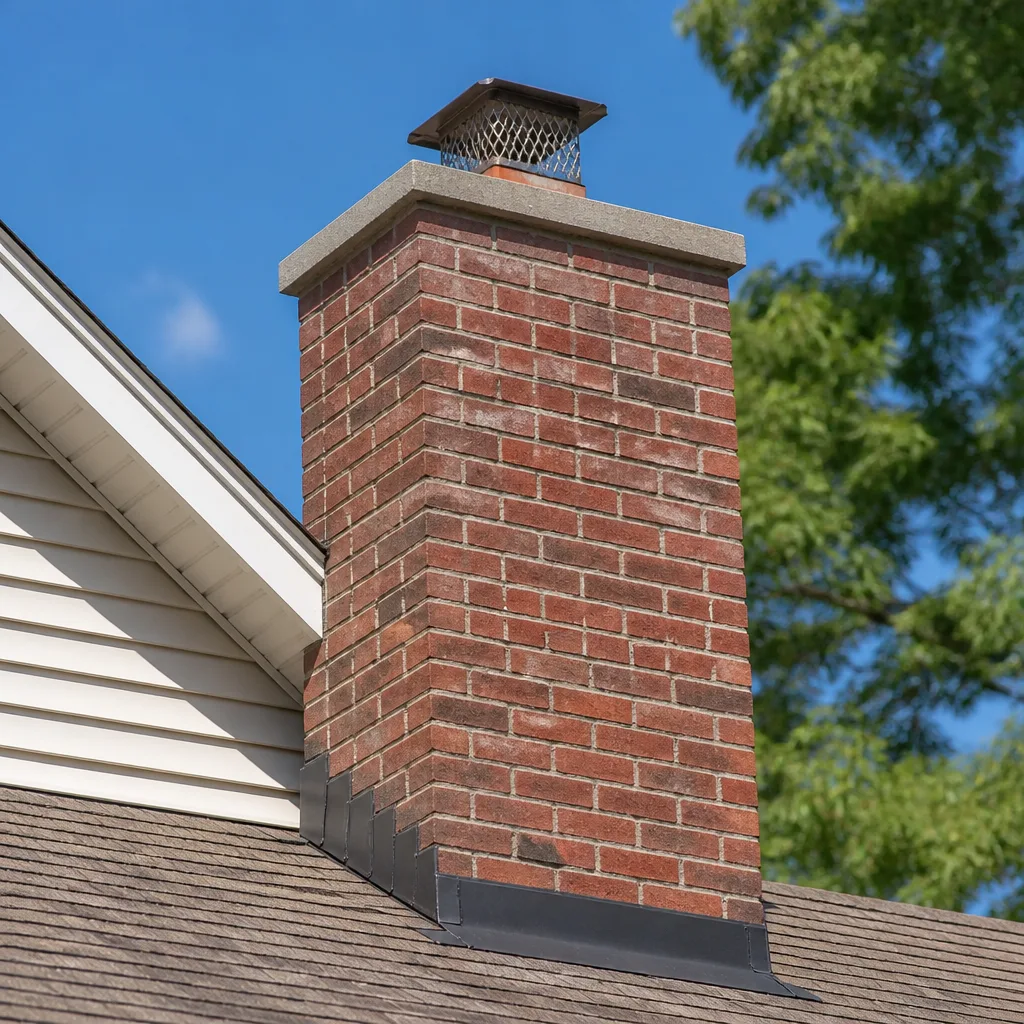 Masonry repair
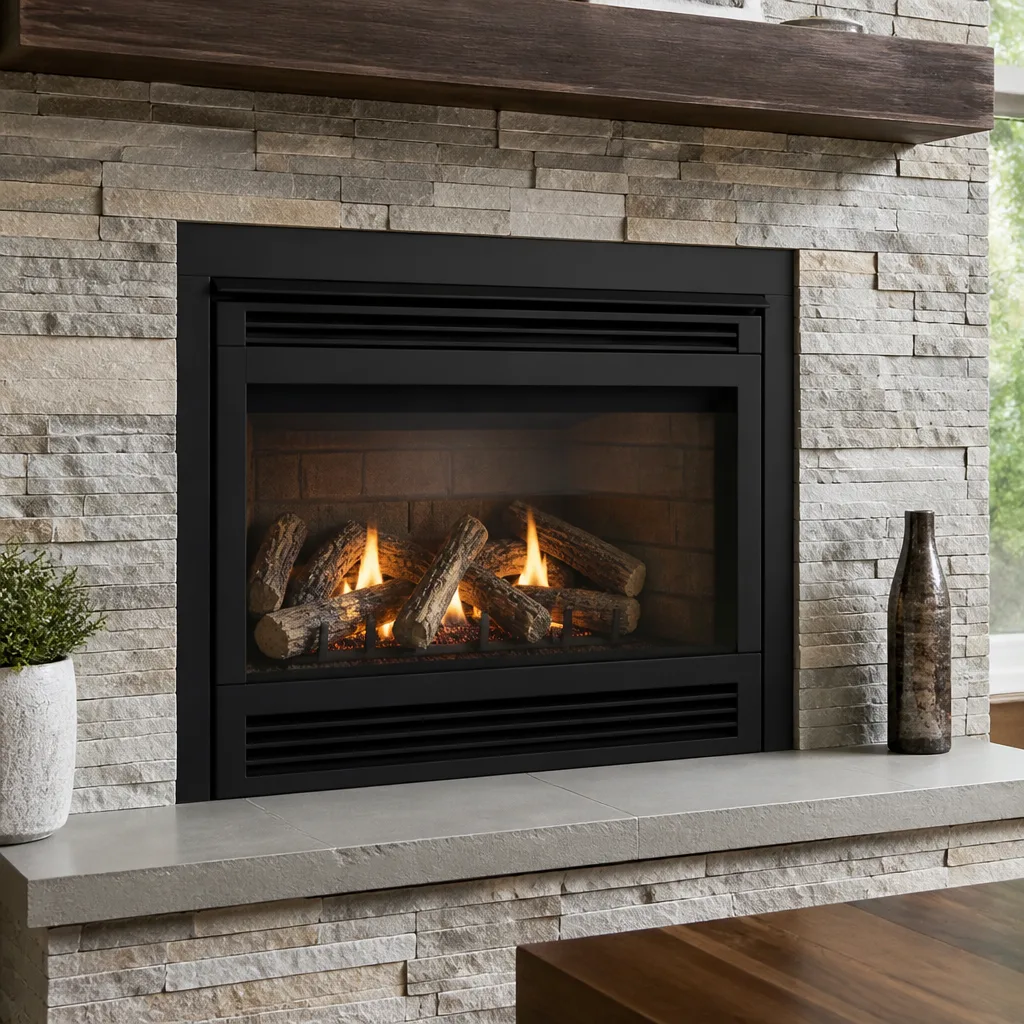 Gas fireplace service
Level 1 sweep and inspection to the NFPA 211 annual standard - flue, crown, cap, and flashing checked and photographed
Chimney sweep logs do not sweep chimneys. They loosen some creosote - which then falls where a brush and vacuum still have to collect it.
Chimney Sweep Maintenance Checklist for Kingwood Homeowners
The maintenance task most Kingwood homeowners skip is the one that quietly costs them the most: capping and crown inspection after spring storm season. A chimney that weathered a Gulf storm with a cracked cap or a hairline crown fissure pulls water into the masonry every time it rains. Mortar softens, brick faces spall, and a job that starts as a routine cleaning can turn into structural repair. The fix isn’t complicated, but it has to happen on a schedule built for our climate, not for a cold-climate calendar. This guide gives Kingwood homeowners a task-by-task maintenance calendar timed to South Texas weather, pollen, and the short, intense burn window we actually have.
Quick Answer
A Kingwood chimney needs three checkpoints a year: a post-storm cap and crown inspection when hurricane season winds down, a full professional sweep and inspection in October before the first fire, and an owner-visible check of draft, odor, and damper movement each time the burn season ends. Cleaning frequency depends on how much you burn, but most wood-burning homes here do well with one annual sweep and inspection. Gas fireplaces need less sweeping but still need annual inspection of vents and connections. Document every professional visit with photos and keep a maintenance log.
Styles & brands we work with
- Sweep & inspection
- Caps & crowns
- Flue relining
- Masonry repair
- Gas fireplace service
Table of Contents
- The Kingwood chimney maintenance calendar, month by month
- Owner-visible checkpoints that need no tools
- What to photograph before every professional visit
- Maintenance tasks that void a liner warranty
- How to keep a maintenance log that actually helps
- Sweeping vs. inspection: what each one actually covers
- Common mistakes to avoid
- When to call a professional
The Kingwood Chimney Maintenance Calendar, Month by Month
A chimney maintenance schedule should follow the local climate, and a Kingwood schedule looks nothing like one built for New England. Our winters are mild, our burn season is short, and our summers bring heavy rain and wind. The calendar below maps each task to what’s actually happening to your chimney in that part of the year.
Post-Hurricane Season (September through November)
Hurricane season runs through the end of November, and even storms that stay offshore bring wind-driven rain. This is the window to inspect the cap, crown, and flashing from the ground with binoculars, and to book a professional roof-level look at the chimney cap & crown. A cap that’s bent, a crown with a visible crack, or a damper that no longer seats are all things you can spot before the first fire. This is also the best time for a full sweep and inspection, because it leaves your flue clean before the first cold front.
Pre-Burn Season (October)
October is the pre-burn season in Kingwood. This is the single most important month on the calendar. A professional chimney sweep clears soot and creosote, and the inspection that comes with it checks for blockages, cracked flue tiles, and damaged liners. If you’re scheduling a sweep, this is the month to book it. Homes that burn heavily or have a wood stove may need a second sweep mid-season.
Mid-Winter (December through February)
Our burn window is short but concentrated. During the peak of fire season, the main tasks are owner-visible: watch draft behavior, listen for unusual sounds, and keep an eye on the firebox floor. This is also the time to notice if the fire burns differently than it did in October. A sudden change in draft or a persistent smoke smell in the room is a reason to call, not a reason to keep burning.
Post-Burn Dormancy (March through May)
When the last fire of the season goes out, the chimney enters dormancy. This is the right time to clean out the firebox, check the damper one last time, and start the maintenance log for the year. Spring is also when pollen accumulates on caps and screens, so a visual check of the cap from the ground is worthwhile.
Post-Storm and Summer Check (June through August)
Summer storms test caps, crowns, and flashing. A cap inspection after major rain is the task that prevents the most expensive damage. Water intrusion is the leading cause of mortar failure in this climate, and it’s a problem that shows up months later as crumbling mortar and loose brick.
Owner-Visible Checkpoints That Need No Tools
You don’t need a ladder or a moisture meter to know whether your chimney needs attention. A few observations tell you what’s happening inside the system. Here’s what to watch, organized by what the checkpoint means.
- Draft behavior: A fire that starts slowly, smokes into the room, or struggles to stay lit is telling you the flue is restricted, the cap is clogged, or the chimney is cold. If the problem is new this season, note it before you call.
- Odor type by season: A creosote smell in summer and fall is normal to some degree, but a sharp, acrid smell that worsens when it rains points to water in the flue. A gas smell is a different matter entirely and is a reason to stop using the fireplace and call a professional.
- Firebox floor: Cracks, crumbled mortar joints, and loose brick at the firebox floor are visible without tools. Note the location and size; a photo is better than a description.
- Damper movement: The damper should open and close smoothly and seat flush when closed. A sticky, noisy, or incomplete close is a sign of warping or debris.
- Exterior brick at eye level: Crumbling mortar, spalled brick faces, or white staining on the chimney exterior are visible from the ground and are early signs of water damage.
- Cap and screen condition: Binoculars are enough to see whether a cap is bent, missing a panel, or has a torn screen.
What to Photograph Before Every Professional Visit
Photos taken before a professional visit do two things: they help the technician understand what’s changed, and they give you a record if a weather event later causes damage. Take the same set of photos each time so the record is comparable year to year.
- The full chimney exterior, including the cap and crown, shot from the ground on a clear day.
- The firebox interior, straight on, with the damper open.
- The firebox floor and any visible cracks or loose brick.
- The damper in the open and closed positions.
- The hearth and the wall above the firebox, to record any staining or cracking.
- The top of the flue if it’s visible from inside, or a photo of the cap from the ground.
- A photo of your maintenance log page for the year, so the date and service are recorded.
Store these in a dated folder on your phone or a shared drive. If a storm damages your chimney and you file a claim, a before-and-after pair of photos is the difference between a straightforward claim and a disputed one. We’ve seen this matter more than once in Kingwood after a heavy rain event.
Maintenance Tasks That Void a Liner Warranty
Liner warranties are conditional. A stainless liner from a brand like DuraFlex or Olympia Chimney is built to last, but the warranty depends on how the liner is used and maintained. Skipping annual inspection, burning unseasoned wood, and ignoring a known draft problem are the most common ways homeowners lose coverage without knowing it.
The specific tasks that matter:
- Annual inspection and sweep: Most liner warranties assume the system is inspected and cleaned as recommended. If you skip it, a later failure is hard to claim.
- Burning wet or unseasoned wood: Excess creosote from green wood accelerates corrosion and voids many warranties.
- Burning trash or treated lumber: These produce corrosive compounds that damage stainless liners.
- Ignoring a draft problem: A liner that’s failing will often show it as poor draft before it shows a visible crack.
- Unauthorized modifications: Cutting, altering, or reconnecting a liner without a qualified technician can void coverage.
To verify your liner warranty status, find the original installation paperwork and locate the warranty terms. If you don’t have the paperwork, a professional inspection can often identify the liner type and whether the installation matches the manufacturer’s requirements. If your liner is damaged and replacement seems likely, ask about HeatShield ceramic resurfacing as an alternative; it can restore a failed flue without a full reline in some cases.
How to Keep a Maintenance Log That Actually Helps
A maintenance log is a simple document, but it has to record the right things to be useful to a future technician or a home buyer’s inspector. The goal is a quick read of the system’s history: what was serviced, when, by whom, and what was found. Here’s the structure that works best.
- Date and service type: sweep, inspection, cap and crown, liner work, or repair.
- Technician or company name: so a future inspector can confirm the work.
- Materials and brand: for example, DuraFlex liner or Famco cap, if a repair was made.
- Findings: what the technician saw, in plain language, including anything that was flagged for future attention.
- Photos: the before-and-after set you took before the visit.
- Recommendations: what to watch and when to book the next service.
A paper binder works, and so does a shared digital folder. The point is that the record stays with the house. When a Kingwood home is sold, an inspector who can read three years of consistent maintenance records has a much easier time assessing the chimney.
Sweeping vs. Inspection: What Each One Actually Covers
These are two different services, and homeowners often assume they’re the same. A sweep is a cleaning; an inspection is a diagnostic. Both belong on your annual checklist, but they answer different questions.
- A sweep removes soot and creosote from the flue, firebox, and smoke chamber. It’s the maintenance that reduces chimney fire risk.
- An inspection examines the flue, liner, cap, crown, flashing, firebox, and damper for condition and defects. It’s the diagnostic that tells you what actually needs work.
Chimney inspections are available as a standalone service, and that matters for two common situations: a real-estate transaction where a buyer’s inspector wants a professional opinion, and an annual safety check for a home that doesn’t burn much wood. For a full picture of what an inspection covers in Kingwood, our Chimney Sweep Kingwood page outlines the process we follow.
One discipline matters here: we tell you what your chimney actually needs, and no repair recommendation should go out the door without evidence you can see. If a technician says your liner is failing, ask to see the inspection findings and the photos. A thorough inspection includes them.
Common Mistakes to Avoid
- Skipping the cap check after storm season. A bent or missing cap lets rain straight into the flue. That’s the path from a cleaning to a structural repair, and it’s the most avoidable problem in this climate.
- Burning before the October sweep. A flue that’s been dormant all summer can hold debris, insect nests, or a damaged liner. Light the first fire only after a sweep and inspection.
- Burning unseasoned wood all season. Green wood produces creosote that’s harder to remove and accelerates liner wear. It’s also a warranty risk.
- Treating a fireplace smell as normal. A creosote smell in summer can be normal. A sharp smell after rain, or a smoke smell that lingers in the room, is not. Note the difference and report it.
- Not keeping photos. Homeowners who skip the photo record have a harder time with insurance claims after weather events and a harder time selling a home with an unverified chimney.
- Assuming a gas fireplace needs no service. Gas units need less sweeping, but venting and connections still need inspection. Annual checks matter for carbon monoxide safety.
- Hiring a generalist for liner work. Liner installation and flue restoration call for the right material for the flue, which is why we work with brand lines like HeatShield, Gelco, and Copperfield.
When to Call a Professional
Some tasks are owner-visible checkpoints; others need a trained technician with the right tools. Call a professional when you notice a draft change that persists across a season, visible cracks in the firebox or exterior mortar, water staining on the chimney, or a cap that’s bent or missing. Schedule a call before the first fire of the season if it’s been more than a year since your last sweep, if you’ve moved into a new home in Kingwood, or if you’re buying or selling a home and need a standalone inspection. Call immediately if you smell gas, if smoke enters the room persistently, or if you suspect a chimney fire has occurred. Chimney Sweep Kingwood offers free estimates in Kingwood. Call (844) 960-2344. We answer 24/7, with fast dispatch from 7am to 7pm, Sunday through Friday.
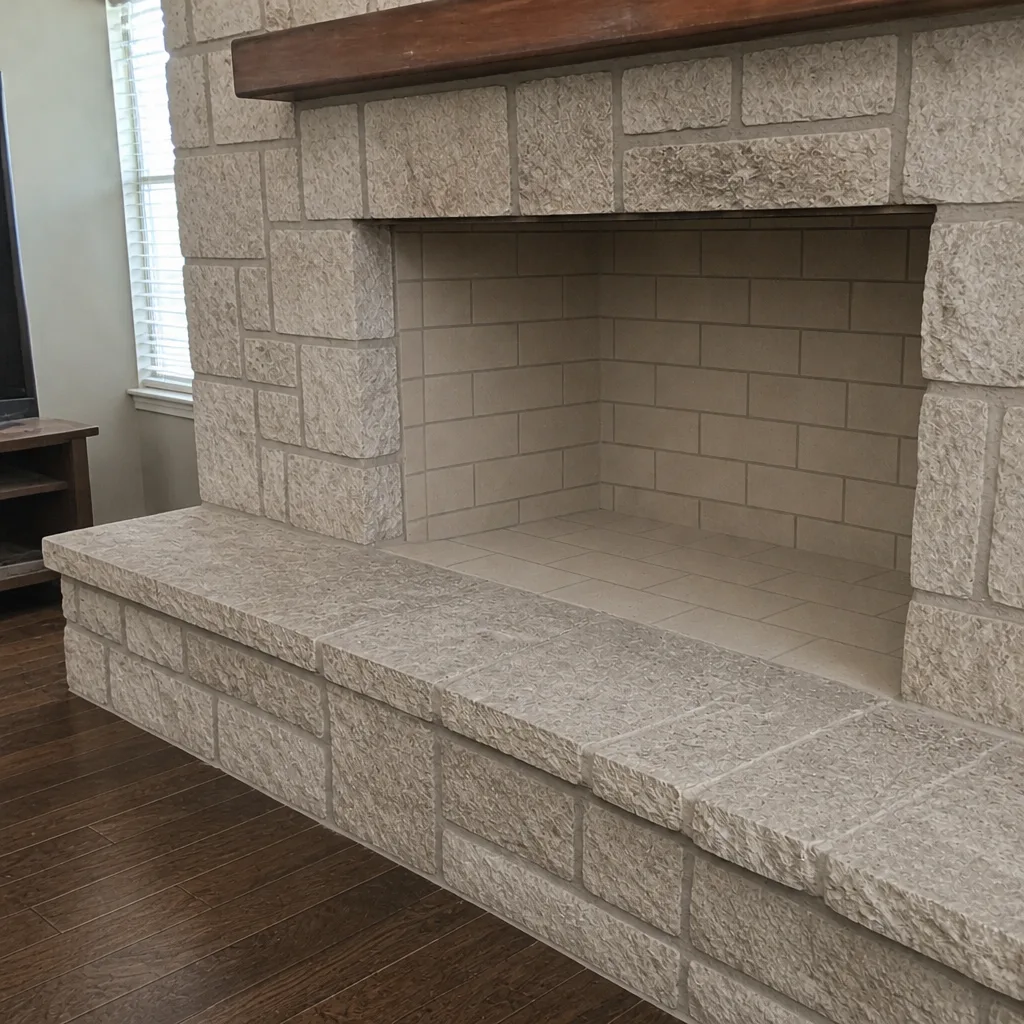
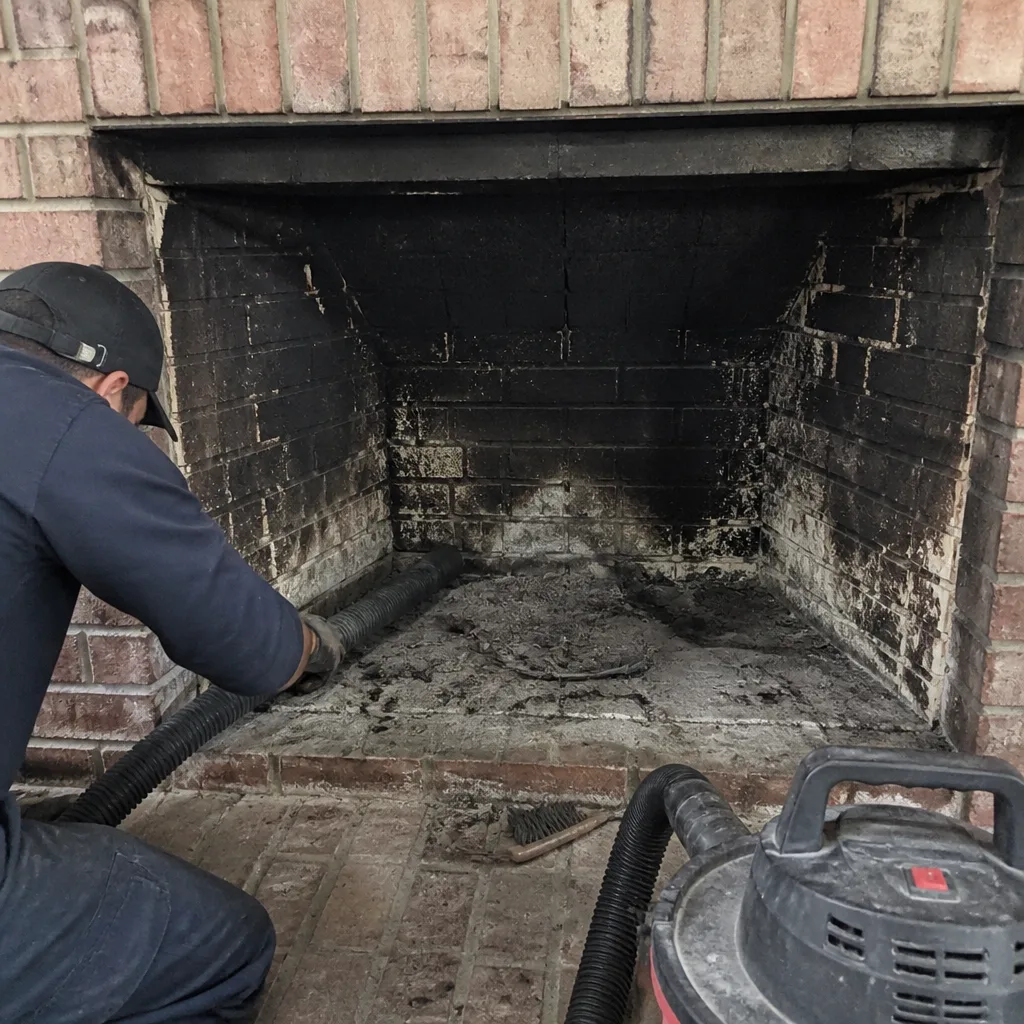
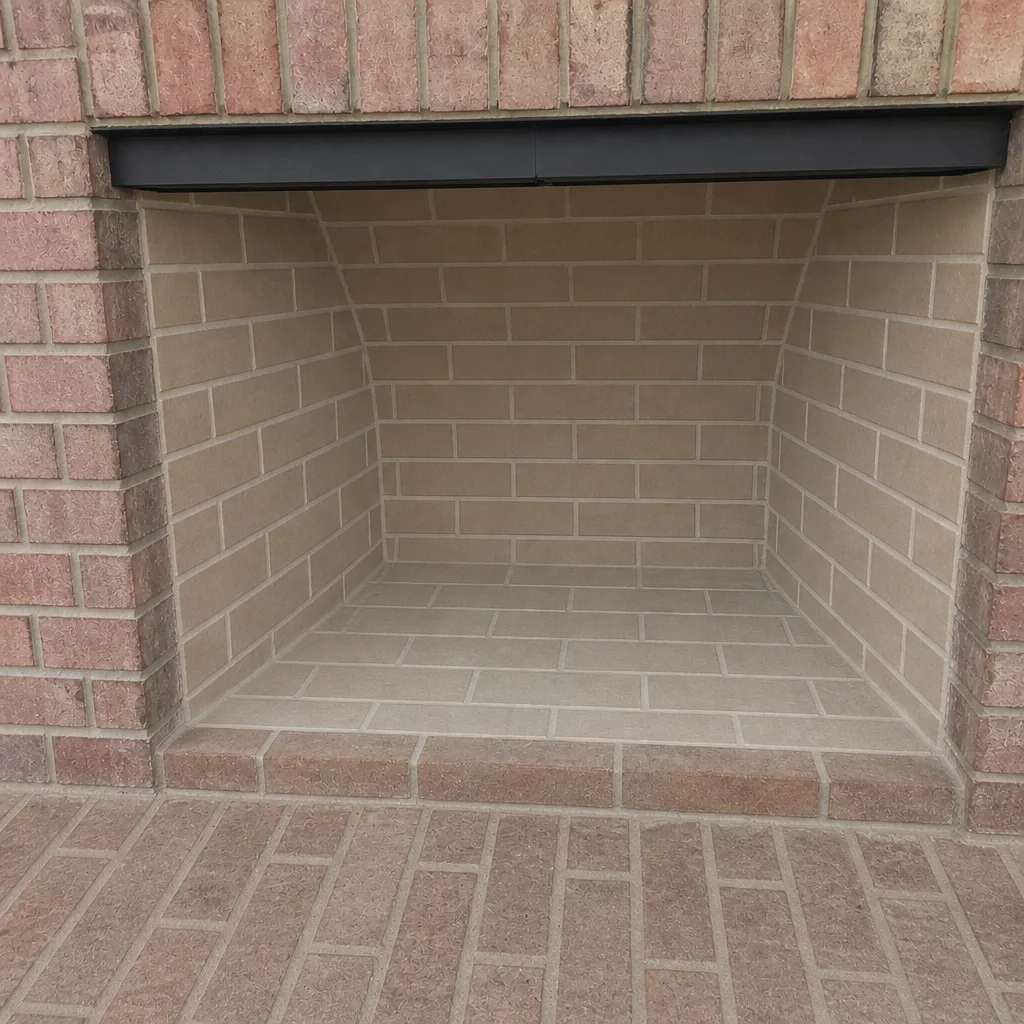
See the difference
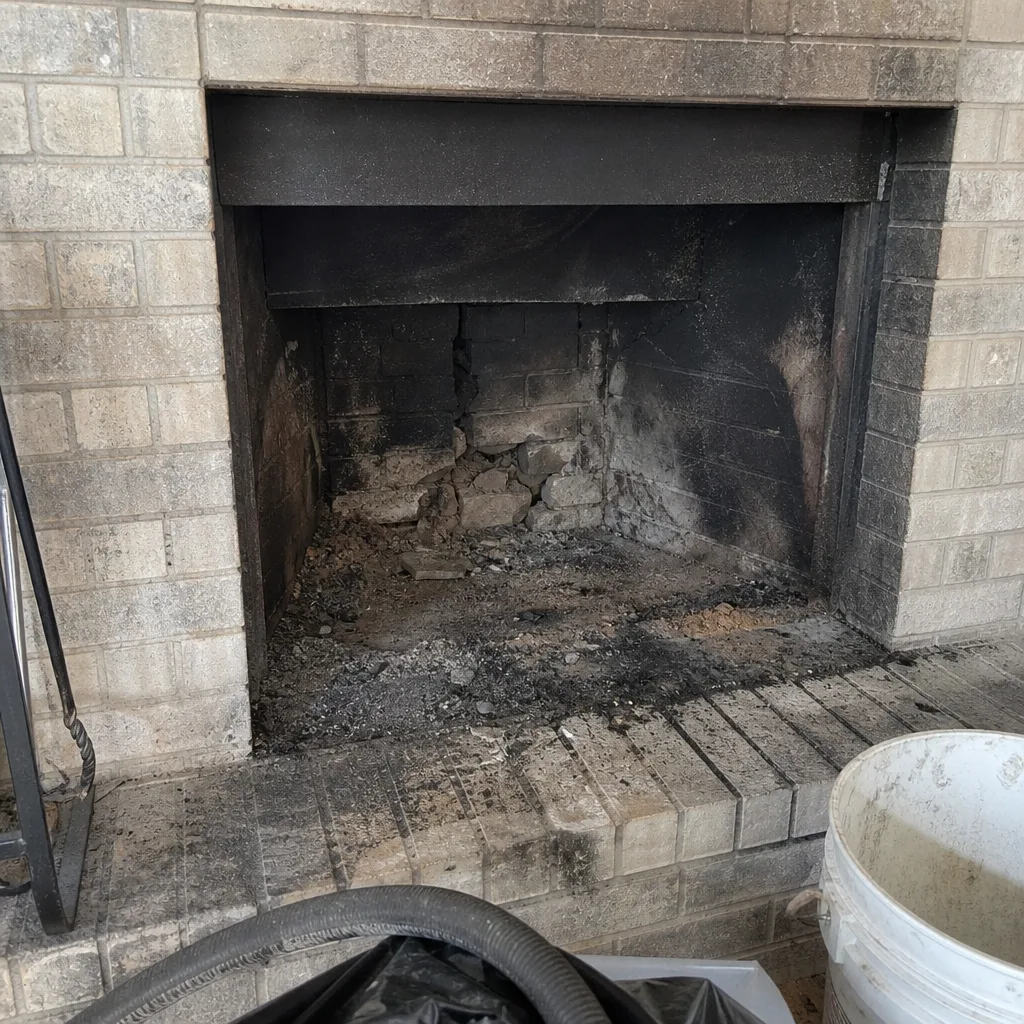 Before
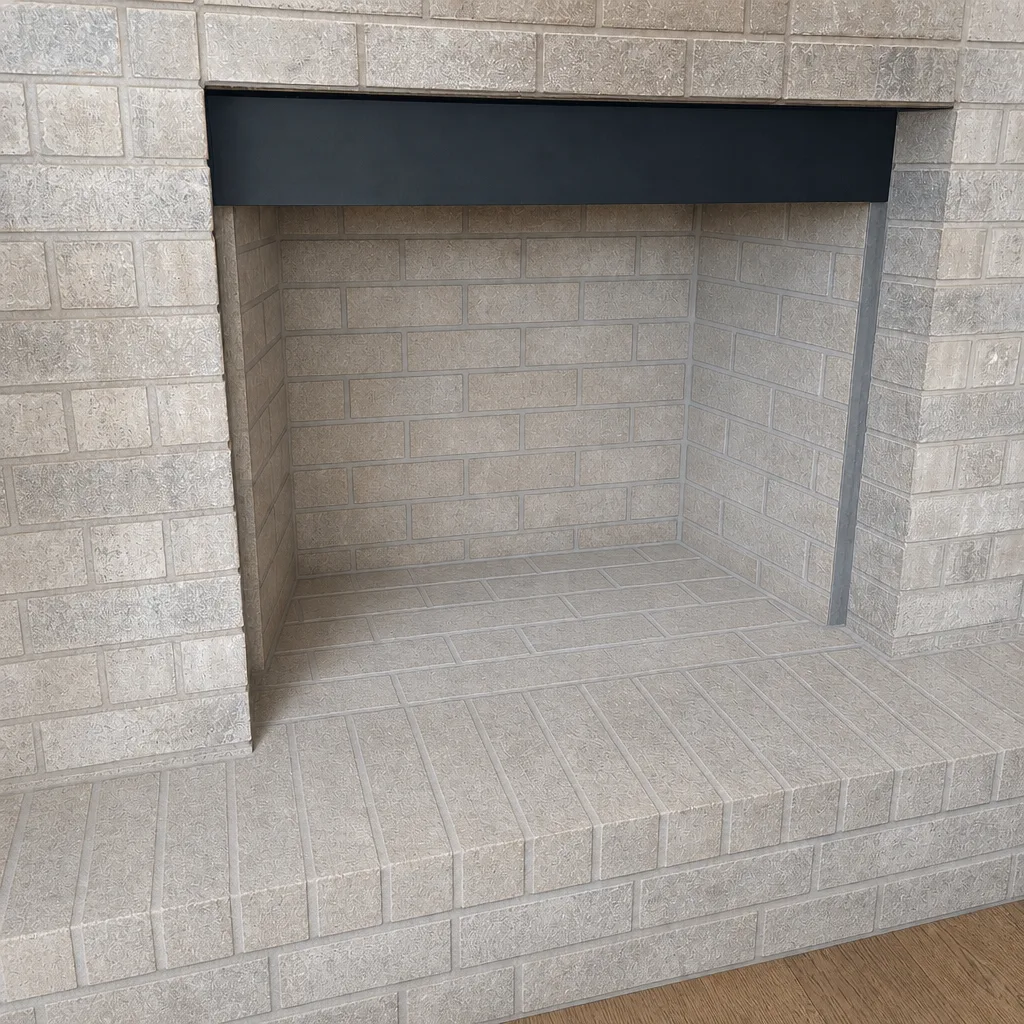 After
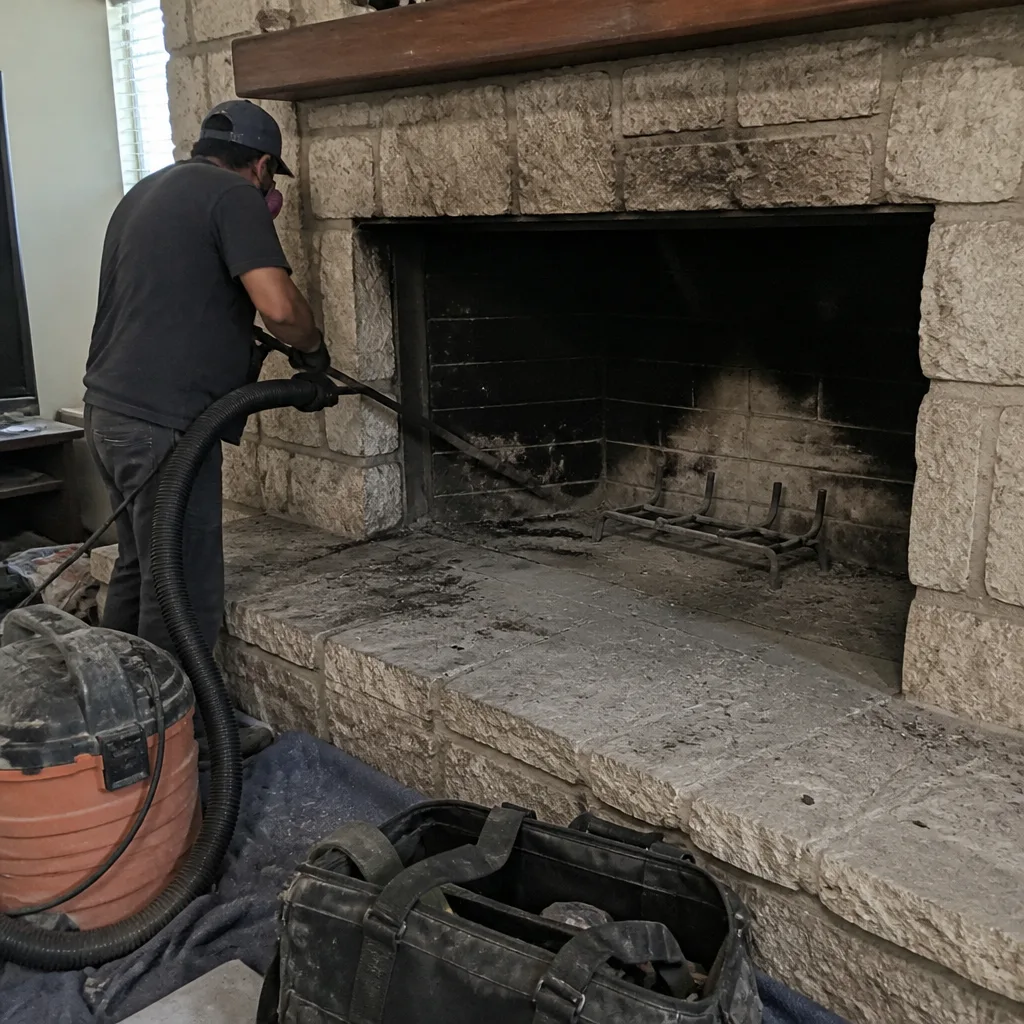 Before
 After
 Before
 After
Frequently Asked Questions
Most Kingwood homes do well with one annual sweep and inspection, timed for October before the burn season. Homes that burn heavily or use a wood stove may need a mid-season sweep. Gas fireplaces need annual inspection but less frequent sweeping. Call (844) 960-2344 for an exact quote; estimates are free.
Skipping a year builds creosote and hides developing problems. In this climate, the bigger risk is water intrusion from a failed cap or crown, which damages mortar over time. Skipping also puts a liner warranty at risk. Call (844) 960-2344 to book a sweep and inspection before the season starts.
It depends on the flue’s condition, which is why an inspection comes first. In some cases, a HeatShield ceramic resurfacing can restore a damaged flue without a full reline. A technician should show you the inspection evidence before recommending either. Call (844) 960-2344 and ask for an inspection first.
Yes. A cap keeps rain, debris, and animals out of the flue, and it’s the cheapest protection against water damage. After storm season, cap inspection is the single most valuable task on the calendar. We install and repair caps as part of our chimney cap & crown service.
Look for cracks in the firebox, a damper that won’t seat, loose brick, or staining above the firebox. Any of those is a reason to book an inspection. For damage inside the firebox, our fireplace repair service can address it after diagnosis. Call (844) 960-2344 for a free estimate.
Owner-visible checkpoints and photo records are safe to do yourself. Sweeping, liner work, cap installation, and repairs are not, because they involve height, soot exposure, and structural decisions. A trained professional should handle those. Call (844) 960-2344 to schedule.
The Bottom Line
The Kingwood chimney calendar has three anchors: a post-storm cap and crown check as hurricane season winds down, a sweep and inspection in October before the first fire, and an owner-visible review when the burn season ends. Along the way, keep a photo record and a maintenance log, watch for changes in draft and odor, and know which tasks affect your liner warranty. It’s not a long list, but timing it to our climate is what keeps a small job small. Our technicians have up to 8 years of experience, and we work with the materials the industry trusts, from DuraFlex liners to Olympia Chimney, Famco, Gelco, HeatShield, and Copperfield components. Call (844) 960-2344 for a free estimate. We answer 24/7. Fast dispatch, 7am-7pm, Sunday through Friday.
Written by the team at Chimney Sweep Kingwood.