
Last updated November 22, 2026
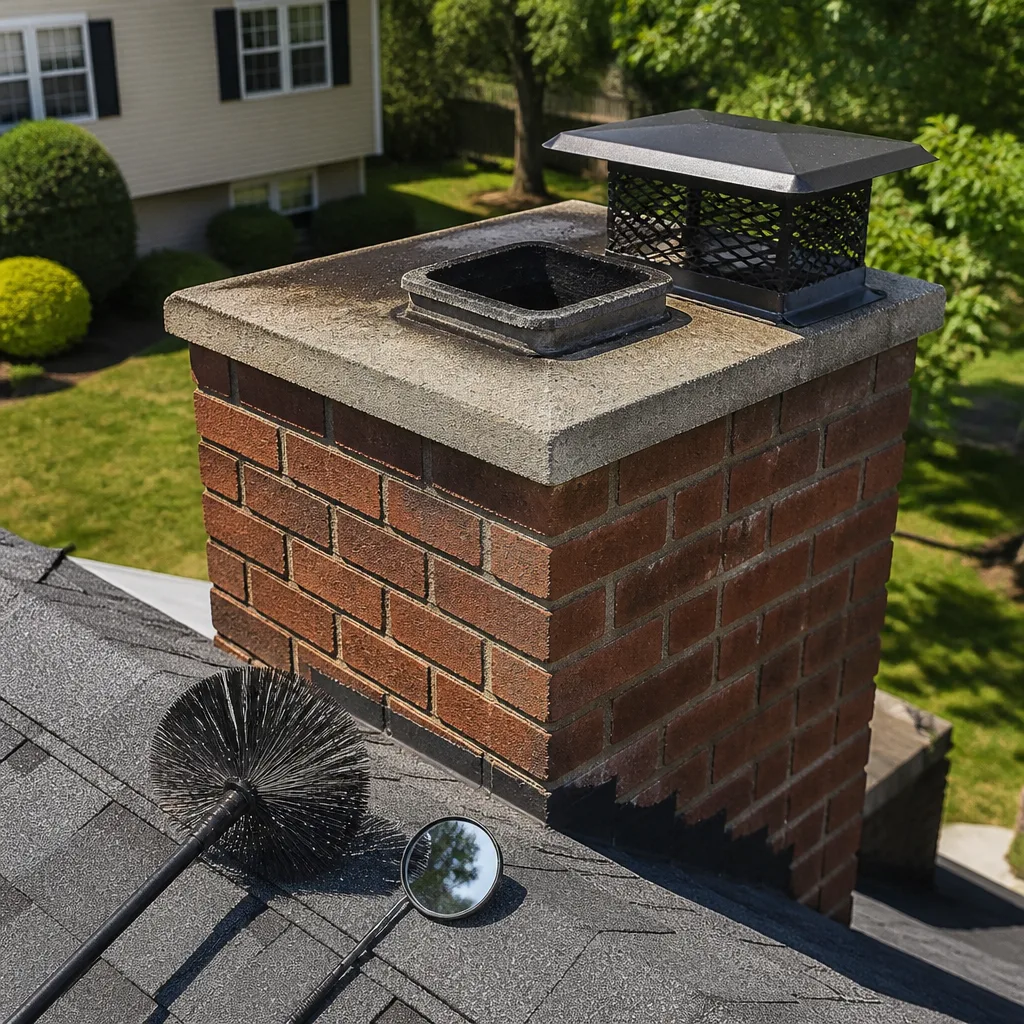 Sweep & inspection
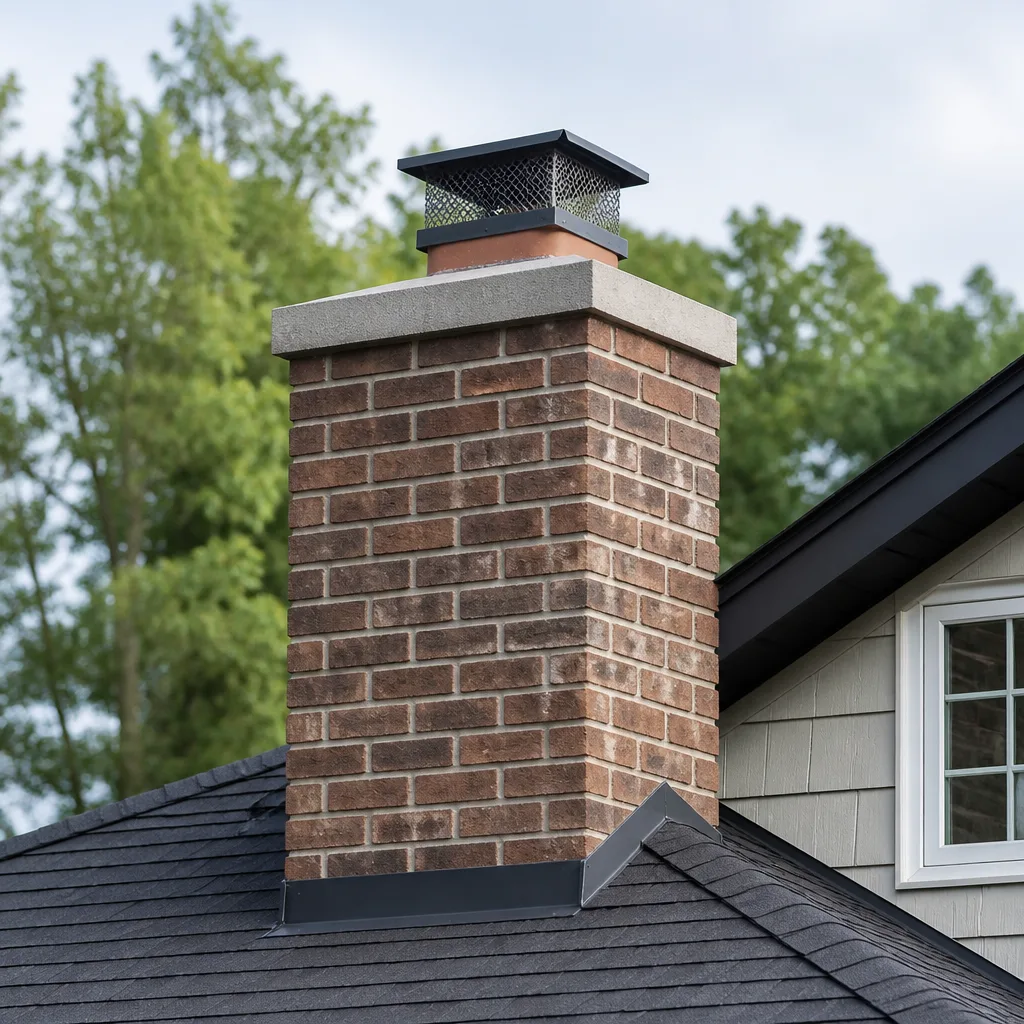 Caps & crowns
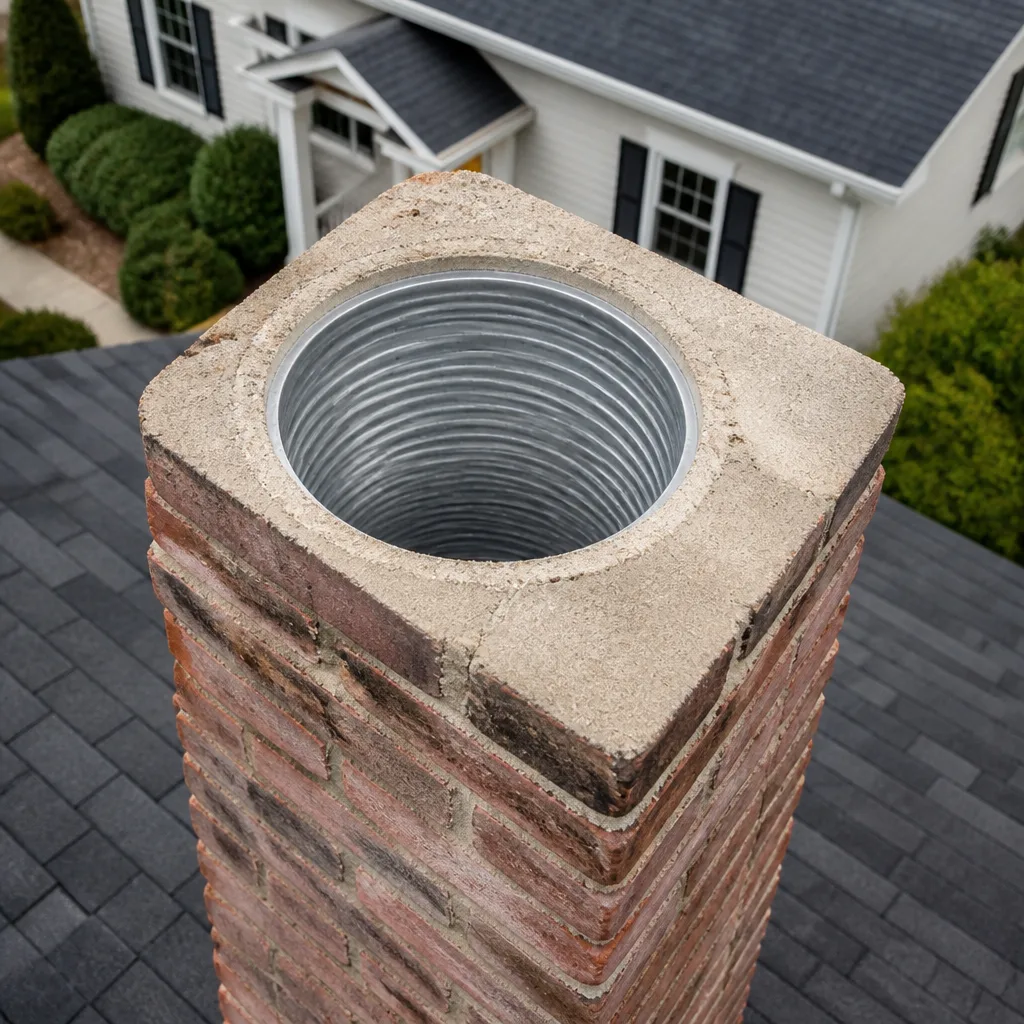 Flue relining
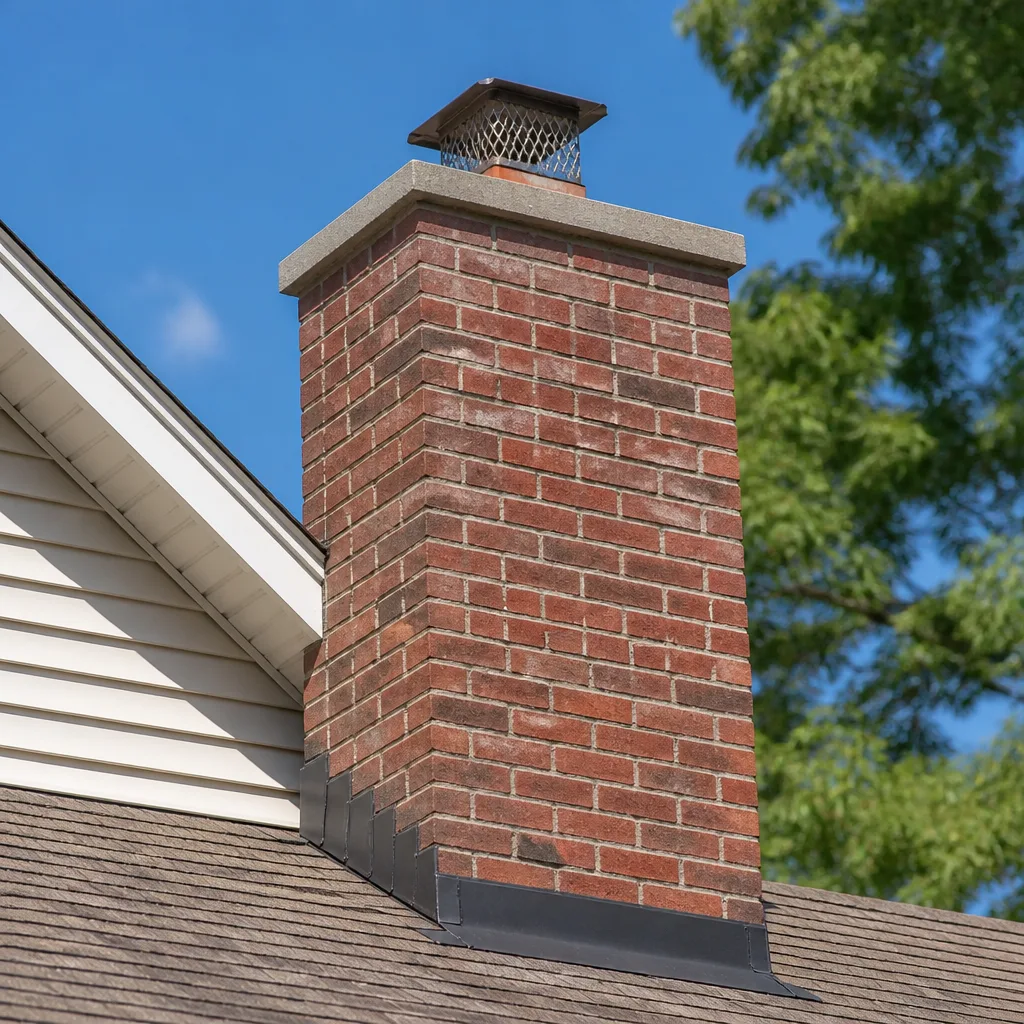 Masonry repair
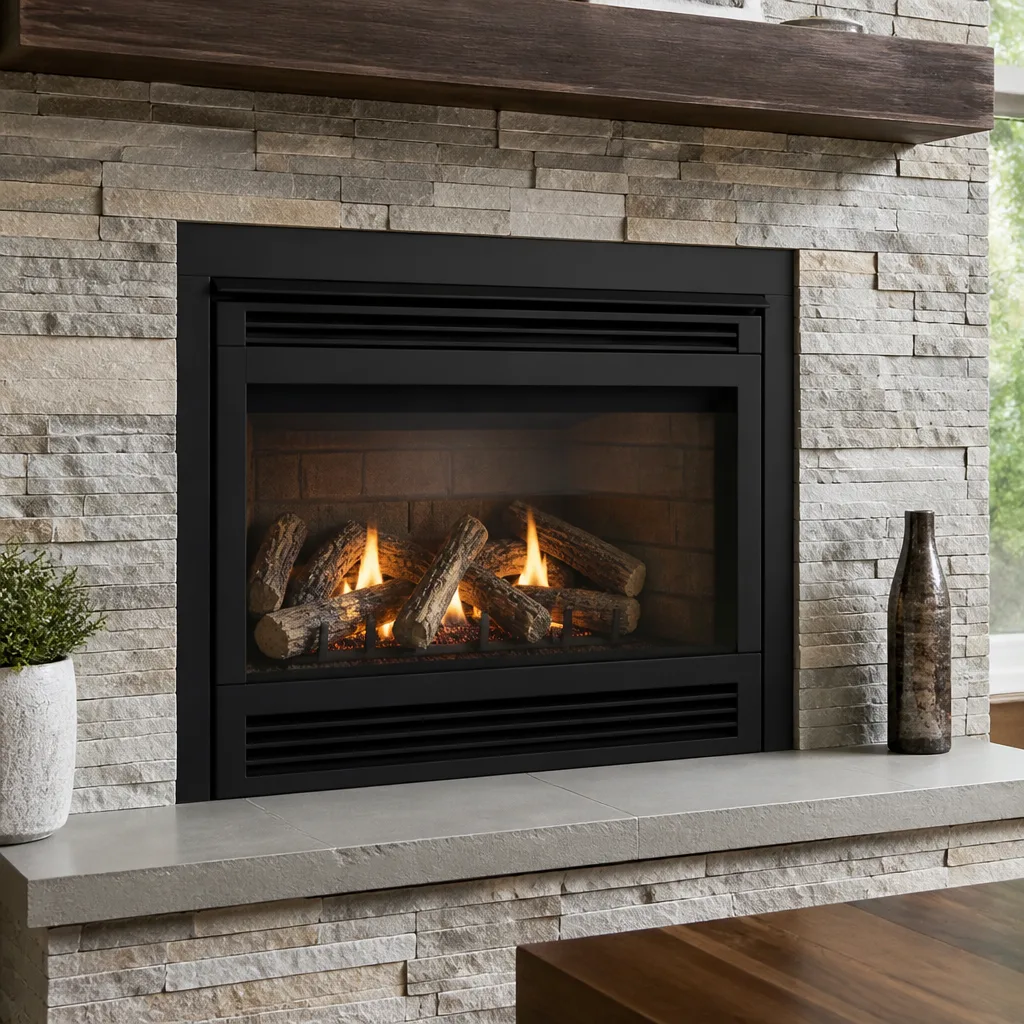 Gas fireplace service
Level 1 sweep and inspection to the NFPA 211 annual standard - flue, crown, cap, and flashing checked and photographed
Chimney sweep logs do not sweep chimneys. They loosen some creosote - which then falls where a brush and vacuum still have to collect it.
Chimney Sweep Maintenance Schedule: What to Do and When
Fall comes, the first cold front pushes through, and half of Kingwood lights a fire for the first time since February. Then the phone calls start. The standard advice, “get your chimney inspected every fall,” was written for cold-climate homes that burn wood six months a year. Kingwood homes that light gas logs four or five times a winter, or that burn wood mostly during a handful of cold snaps, are working from the wrong calendar. Our maintenance schedule follows the Gulf Coast rhythm instead: heating season thinnest, humidity heaviest, storm season noisiest. What follows is the whole yearly cycle in plain terms, and how to tell which tasks you actually need.
Quick Answer
In Kingwood, plan on an annual Level 1 inspection no matter how little you burn, add a sweep when soot or creosote reaches about 1/8 inch inside the flue, and schedule both after burning season ends, in late winter or early spring, so summer humidity never gets a chance to sit on residue. Storm debris and cap damage get checked after every major Gulf wind event. A Level 2 inspection is for any change in the system: a new appliance, a chimney you’ve never used, a sale of the house, or a storm that moved anything on the roof.
Styles & brands we work with
- Sweep & inspection
- Caps & crowns
- Flue relining
- Masonry repair
- Gas fireplace service
Table of Contents
- Why the National Schedule Doesn’t Fit Kingwood
- Three Burn Tiers: Which Maintenance Schedule Is Yours
- Level 1, Level 2, Level 3: Which Inspection at Which Milestone
- The Kingwood Year: A Season-by-Season Task Calendar
- What You Can Check Yourself Between Visits
- How Skipping a Cycle Compounds: From Clean Flue to Damaged Liner
- What Chimney Sweep Maintenance Costs
- Common Mistakes to Avoid
- When to Call a Professional
- Frequently Asked Questions
Why the National Schedule Doesn’t Fit Kingwood
Most chimney maintenance advice circulating online is written for places where the heating system runs October to April. That advice assumes creosote builds fast, fireplaces see hundreds of fires, and the cold is the main enemy of the chimney. None of that fully applies here. In Kingwood, the furnace runs hard for a couple of short stretches, the fire is lit less often than a visitor from the north would guess, and the enemy for nine months of the year is moisture, not cold.
That moisture is where Kingwood chimneys quietly lose years off their life. The air here holds water vapor much of the year, and a chimney is a tube that goes from warm interior air to cooler outside air. In humid months, that transition is where condensation forms, particularly on cool flue surfaces. Residue left in the flue soaks up that moisture like a sponge, and once it’s wet, it starts breaking down brick and mortar and corroding metal liners. A chimney that was swept in spring and left clean through the summer dries out far faster than one that still has a quarter inch of soot sitting inside.
Debris is the second local variable. Gulf weather events push leaves, twigs, shingle grit and grit from nearby roofs onto chimney tops and into caps, and any storm that strips a tree limb can leave something on your crown or in your firebox. The national guides mostly don’t mention this because their storms are different. Our schedule puts post-storm cap and crown checks on the calendar as their own task.
When you hear that “fall is chimney season,” treat it as the busy season for the trade, not the optimal one for your house. In Kingwood, the smartest time to get the system cleaned and inspected is usually late winter or early spring, after the burning is done and before the humidity climbs. Then the rest of the year is maintenance and monitoring. That’s the rhythm behind every recommendation below.
Three Burn Tiers: Which Maintenance Schedule Is Yours
Not every Kingwood chimney needs the same care, because not every Kingwood household burns the same way. Start by deciding which of these three categories describes your home. You can always move up a tier, and never down, without a professional’s say-so.
Tier 1: Decorative or rarely used
The fireplace is part of the room, but a fire gets lit a handful of times a year, or maybe never since the house was bought. Even here, an annual Level 1 inspection is still the baseline, because it’s not the fire that ages a chimney, it’s the water, the settling, and the slow decay of a flue nobody’s watching. Once a year, a trained eye checks the cap, the crown, the joints and the firebox. You get the peace of knowing nothing has quietly broken.
Tier 2: Gas logs or occasional wood
This is the common Kingwood setup: gas logs on cool mornings, wood on the handful of genuinely cold nights. Gas burns cleanly compared with wood, but it still produces some products of combustion, and a gas log set can deposit a thin film on the flue over time. A sweep here is usually needed less often than for a heavy wood burner, but the inspection interval stays the same. The flue still has to be looked at once a year, and if you’ve moved to gas logs without removing the old wood residue from previous years, get that residue swept before the logs are lit again.
Tier 3: Frequent wood burning
If you build real wood fires regularly through the winter, you’re in the highest-maintenance tier. Soot and creosote accumulate fastest here, and the flue needs a sweep on a burn-dependent schedule, not strictly an annual one. The general rule the trade uses is a sweep when soot or creosote reaches about 1/8 inch inside the flue. A chimney professional can tell you what yours looks like on the inspection. If you’re building fires several times a week through the cold weeks, plan on checking every year and possibly sweeping every year.
The three tiers exist because maintenance is a function of use, not of the calendar. A Kingwood homeowner with a decorative firebox and a homeowner who burns wood every cold night should not be given the same schedule, and one national rule doesn’t fit both.
Level 1, Level 2, Level 3: Which Inspection at Which Milestone
The word “inspection” covers three different jobs. Knowing which one applies to your situation saves you time and tells you what you’re paying for.
Level 1 inspection
A Level 1 inspection is a basic visual check of the readily accessible parts of the chimney and venting system: the firebox, the flue as seen from the top or the firebox opening, the damper, the cap and the crown from the roof or an accessible vantage. It’s the routine annual check for a chimney that hasn’t changed and is in known good condition. It tells you whether the system is sound and whether a sweep is needed.
Level 2 inspection
A Level 2 inspection is the deeper check you need whenever something about the system or the situation has changed. That includes moving into a new home, selling or buying a house, installing or replacing an appliance, a chimney that suffered a storm or a chimney fire, or a change in fuel type. Level 2 typically includes a camera inspection of the flue so the technician can see the whole liner, not just the parts visible from the ends. This is where you find out what the inside of the flue actually looks like. A chimney that looks fine from the roof can have a cracked or spalled liner inside. We treat a camera view the same everywhere we work: you should see what we see.
Level 3 inspection
A Level 3 inspection is the most involved, and it’s only warranted when a Level 1 or Level 2 has turned up a problem that requires getting at concealed parts of the chimney, which can mean removing or opening parts of the structure. It’s not a routine service. If a Level 1 or Level 2 finds something that might warrant a Level 3, you’ll hear why, with the evidence in front of you, before anything is opened up.
Matching the level to the milestone
- Scheduled annual check, no changes, no storm since last visit: Level 1.
- Sweep visit, no signs of trouble: Level 1 plus the sweep itself.
- New home, appliance change, fuel change, chimney fire, or a major storm: Level 2.
- Level 1 or Level 2 has found an issue in a concealed area: Level 3, only after the problem is documented.
That last line matters. With a sweep service and an inspection booked as one visit, you leave with evidence instead of a vague recommendation.
The Kingwood Year: A Season-by-Season Task Calendar
Here’s the schedule built for our climate. Treat the seasons loosely, because a Kingwood winter can be a cool, damp November or a cool, damp February, and the post-storm checks happen on Gulf weather’s schedule, not the calendar’s.
Late winter to early spring: the main service visit
After the burning season ends, get the chimney swept and inspected. Late winter is better than fall because it removes residue before the humid months arrive, giving the flue all summer to stay dry. It also puts a trained eye on the cap and crown before storm season picks up. A camera inspection on a chimney you haven’t used all year is easier to interpret than one done in the middle of the season. If a liner needs work, you’ve got months to plan it rather than a week before the first cold snap.
Spring: cap, crown and gutter check
Spring is the right time to look at the top. Check the condition of the cap and crown, and make sure last winter’s wind didn’t crack the crown or loosen a cap. A crown that’s cracked lets water sneak in, and the humid spring and summer are when water does its slowest and most expensive damage. This is also the point to look at whether you need a new cap or crown, or whether the existing one just needs a repair.
Summer: watch for moisture and odor
Humidity is highest in the summer, and this is when the residue left in a dirty flue works against you. Watch for a musty smell in the firebox or the room, which is often a sign of moisture in the flue or the firebox. If the smell turns heads, don’t ignore it until fall. A flue that’s clean going into the summer is far more resistant to moisture problems than a dirty one. This is also the time to make sure the cap is properly covered, because summer rain on an open, cap-less flue adds water straight down the chimney.
Storm season: the post-Gulf-weather check
After any major Gulf weather event, take a look at what the wind did up top. Look for missing or dislodged caps, branches on the roof, and visible cracking on the crown. This is worth having on a list, because a storm can do damage that doesn’t show up in the house until you light a fire. This is also the check that catches debris that got into the firebox before it can become a problem in the flue.
Fall: pre-season light check
Before the first fire, do a light visual check from the ground and inside the firebox. Make sure the flue is open, the damper moves freely, the firebox is clear of the summer’s dust and debris, and there’s no visible damage to the firebox. If spring’s inspection was clean and the firebox hasn’t changed, that’s usually enough. If you skipped spring, this is your last clear window to book a proper sweep and inspection before the season.
Winter: burn season
During the burning season, keep an eye on how the fire draws and whether there’s a smell in the room. If you’ve noticed a problem, a visit in the middle of the season is fine and often necessary. You don’t wait for spring if there’s a real issue. But the goal is to have the system ready before the season starts, so the cold months are for burning, not for repairs. Our technicians have up to 8 years of experience and have worked through the seasonal rhythm enough to know when a chimney should look a certain way.
What You Can Check Yourself Between Visits
The most useful thing you can do as a homeowner is keep a simple log. It gives a sweep a head start and turns each visit into a focused diagnostic rather than a cold start. Here’s what’s worth writing down:
- Odor: note any musty or smoky smell in the firebox or the room, and when it appears (after rain, in summer, on the first fire of the season).
- Draw quality: does the fire start well, keep a steady draw, and burn clean? Note if smoke spills when you light it.
- Visible cap and crown condition: from the ground or a safe vantage, is the cap intact, is the crown cracked, is anything sitting on top?
- Storm events: note the date of any major wind event and whether you saw anything changed on the roof afterward.
- What you burned and how often: “gas logs, a handful of times” reads differently from “wood, most cold nights” on a maintenance plan.
- Any new noise or change in how the fire behaves: these are back-of-the-mind observations that turn into a useful history when you have them written down.
This log is especially useful in a house with more than one fireplace, or in a home where the previous owners didn’t leave records. Bring it to your visit and your chimney professional can connect the dots much faster.
How Skipping a Cycle Compounds: From Clean Flue to Damaged Liner
Skipping one maintenance cycle is not the same as skipping every cycle. The damage is cumulative, and it moves in stages. Here’s what generally happens, in the order it usually happens:
- A clean, sound flue. Soot and creosote are in normal amounts. Everything is stable, and a sweep can clear it. This is the ideal state.
- Residue that’s a little too thick. Soot and creosote reach the point where a sweep is recommended. The flue is still structurally sound, but the resin now holds moisture, and summer humidity starts working on the masonry.
- Moisture damage. Wet residue sits on brick and mortar through humid months. Mortar joints start to soften and crack, and the lining begins to degrade. A sweep still helps, but the masonry now needs attention.
- Creosote buildup that becomes flammable. Heavier, harder creosote is the stage that raises the risk of a chimney fire. A chimney fire can damage the flue from the inside even if it goes out on its own.
- Spalled or cracked liner. Heat and moisture together crack and flake the liner. This is the stage where a full reline may be the only safe repair, and where restoration systems can sometimes save a flue that would otherwise be replaced.
- Failure of the flue or firebox. The most serious stage, where the flue no longer safely contains what passes through it. This is where work becomes structural and expensive.
Here’s where our toolkit matters. A flue that’s spalled but not collapsed can sometimes be resurfaced with a product like HeatShield instead of being fully relined, which can save real money. A flue with an irregular, angled or aged path may need a flexible liner such as DuraFlex, and having those systems in our toolkit means complex flue configurations don’t stall a repair. Brands like Gelco and Olympia Chimney round out the material options. Making an early call is almost always cheaper than making a late one.
What Chimney Sweep Maintenance Costs
Maintenance is priced per job by the written estimate, so the only honest number is your own. A few things to expect: the estimate is free, and the sweep is booked in advance. Typical maintenance falls into these rough tiers:
| Task | What it covers | Typical cost tier |
|---|---|---|
| Chimney sweep | Removing soot and creosote from the flue and firebox | Sweep-level |
| Level 1 inspection | Visual check of accessible parts; often paired with a sweep | Sweep-level, usually combined |
| Level 2 inspection | Camera inspection of the flue; needed for new homes, changes, storms | Inspection-plus |
| Cap and crown repair or replacement | Fixing or replacing the top of the chimney | Repair-level |
| Liner restoration or reline | HeatShield resurfacing or DuraFlex liner installation | Repair-level, sized to the flue |
Two things determine the price of a sweep most: how much residue is in the flue and how accessible the chimney is. A gas-log chimney that gets swept annually is usually the simplest job. A wood-burning flue that’s been neglected for several seasons takes longer and needs more careful removal. When a full liner or structural repair is on the table, you’ll see the evidence before the number, so you can make the call yourself. The written estimate is what sets the final price, and nothing gets recommended without camera evidence you can see for yourself. For a sweep visit and inspection in Kingwood, book a free estimate and we’ll tell you what your chimney actually needs.
If you’re already thinking about a spring visit, our chimney sweep page explains what the sweep itself involves. If the top of the chimney is on your list, our chimney cap & crown page walks through what a proper cap and crown look like and what we check. And if the firebox is the concern, our fireplace repair page covers the repairs that show up most.
Common Mistakes to Avoid
- Copying a cold-climate calendar. Following a “November inspection” rule from a northern guide means you’re inspecting in the wrong season for a Kingwood house. The best time here is late winter or early spring, before humidity comes.
- Assuming no fires means no maintenance. A fireplace that hasn’t been lit in a year still has a flue that ages with moisture and settling. The annual Level 1 check is the minimum in any home, no matter the burn tier.
- Skipping the post-storm look. After a Gulf weather event, the top of the chimney is the first place damage shows up. Not checking after a big storm is how a small cap problem becomes a water problem.
- Treating a camera inspection as optional. A chimney that looks fine from the roof can have a cracked liner that a camera catches immediately. A camera inspection is the only way to see the inside of the flue, and it’s how we present what we’ve found.
- Letting summer humidity work on a dirty flue. Getting the sweep done before the humid months, not after, is the single most effective step in preserving the flue.
- Ignoring a strange smell. A musty or smoky smell is a signal worth acting on, and it’s much easier to diagnose when it’s fresh than months later.
- Mixing up gas and wood maintenance. A gas log setup doesn’t need the same frequency as a wood burner, but a gas set installed over previous wood residue does need that residue cleared. Getting the tier right matters.
When to Call a Professional
Some of this schedule you can handle yourself. Some things you should always call a professional for. Call when the flue needs sweeping beyond a light surface check, when there’s any sign of creosote beyond what a routine sweep removes, when you have a camera inspection to book, when the cap or crown is damaged, when the firebox has visible cracks, or when you smell something in a room that doesn’t go away. Call after any major storm that put debris on the roof. And call if you’re buying or selling a house, because a Level 2 inspection with camera evidence is the right milestone in that transaction. Our guiding principle is simple: we tell you what your chimney actually needs, and when the answer is “nothing yet,” we say so. Chimney Sweep Kingwood connects you with local professionals who sweep, inspect, and repair, and a single visit can line up the full picture. Chimney Sweep Kingwood offers free estimates in Kingwood. Call (844) 960-2344. We answer 24/7. Fast dispatch from 7am to 7pm, Sunday through Friday.
Frequently Asked Questions
In Kingwood, plan on a sweep when soot and creosote reach about 1/8 inch inside the flue, which for the average gas-log or occasional-burner household often means less often than for a frequent wood burner. A wood burner that runs most cold nights may need a yearly sweep, while a decorative fireplace may get swept every few years but still needs an annual Level 1 inspection. Call (844) 960-2344 for an exact quote, and estimates are free.
No. A chimney with no changes, no storms and a known-good history can stay on a Level 1 annual check. Level 2 with a camera is for a new home, an appliance or fuel change, a sale, a storm, or a chimney fire. Our approach is that nothing gets recommended without camera evidence, so if you’re not sure which level you need, a quick check at the visit will settle it. Call (844) 960-2344 for an exact quote, and estimates are free.
Skipping a cycle starts a slow process: residue holds moisture, humid months work on the masonry, mortar cracks, and the lining starts to degrade. In the worst case, heavy creosote raises the risk of a chimney fire, and a spalled liner may need a full reline or restoration. The earlier the visit, the more of that you can avoid. Call (844) 960-2344 for an exact quote, and estimates are free.
No. Fall works, but late winter or early spring is better for Kingwood because it removes residue before the humid months arrive and gives you months to plan any repair. Fall is the trade’s busiest season, not the ideal one for your house. Call (844) 960-2344 for an exact quote, and estimates are free.
Yes. The cap and crown get checked along with the flue on a maintenance visit, and again after any major Gulf weather event. A cracked crown or a dislodged cap is a water path into the chimney, and catching it early is far cheaper than a repair later. Call (844) 960-2344 for an exact quote, and estimates are free.
Write down any odor and when it appears, how well the fire draws, the visible condition of the cap and crown, major storm dates, and what you burned and how often. A simple log makes each visit faster and more focused, and it helps a technician see what’s changed. Call (844) 960-2344 for an exact quote, and estimates are free.
The Bottom Line
Chimney maintenance in Kingwood follows a different calendar than the national guides, and the sooner you set that calendar, the longer your chimney lasts. The short version: an annual Level 1 inspection for every chimney, a sweep when residue reaches about 1/8 inch, a camera-level inspection whenever the system or the situation changes, and a cap-and-crown look after every big Gulf storm. Do the main service visit in late winter or early spring, before humidity arrives, and keep a simple log so each visit starts informed. Get the tier right, get the season right, and the rest takes care of itself. One call, complete chimney care.
Written by the team at Chimney Sweep Kingwood.
See the difference
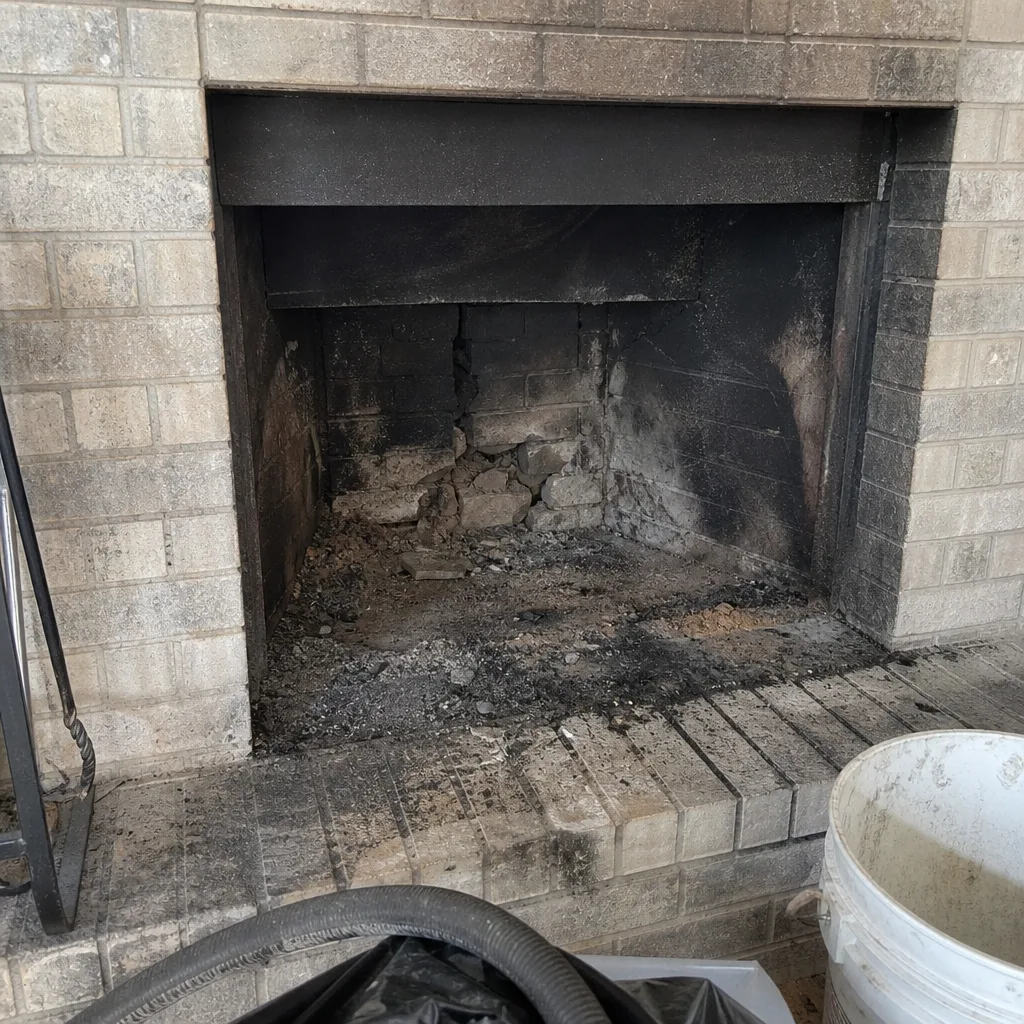 Before
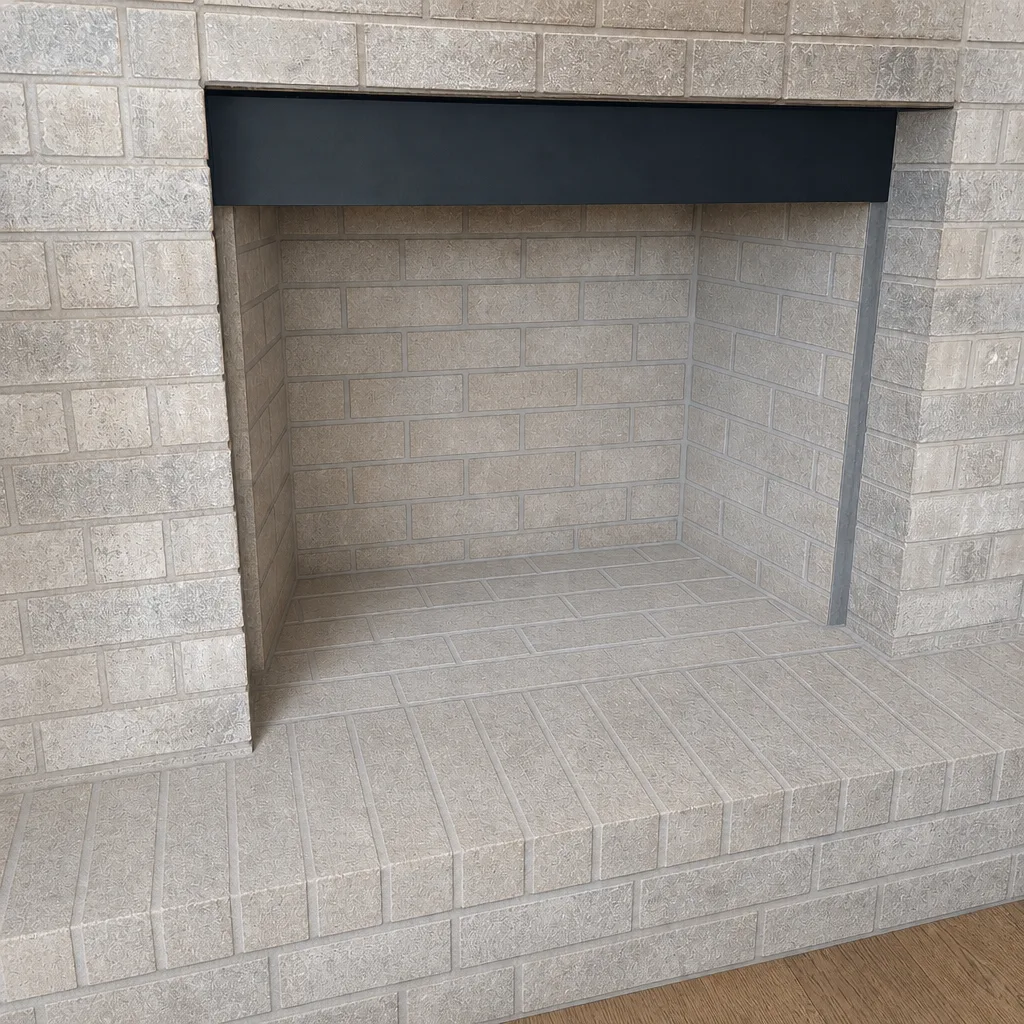 After
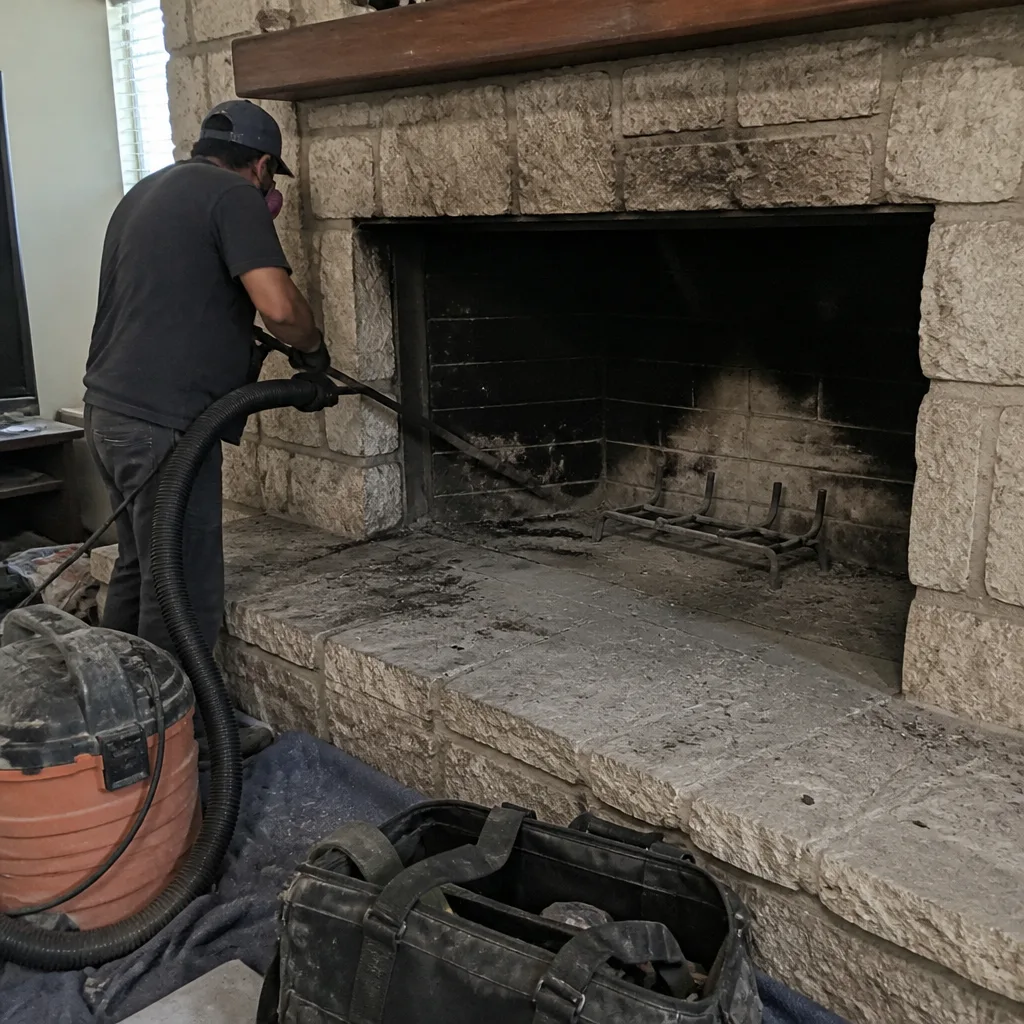 Before
 After
 Before
 After