
Last updated November 22, 2026
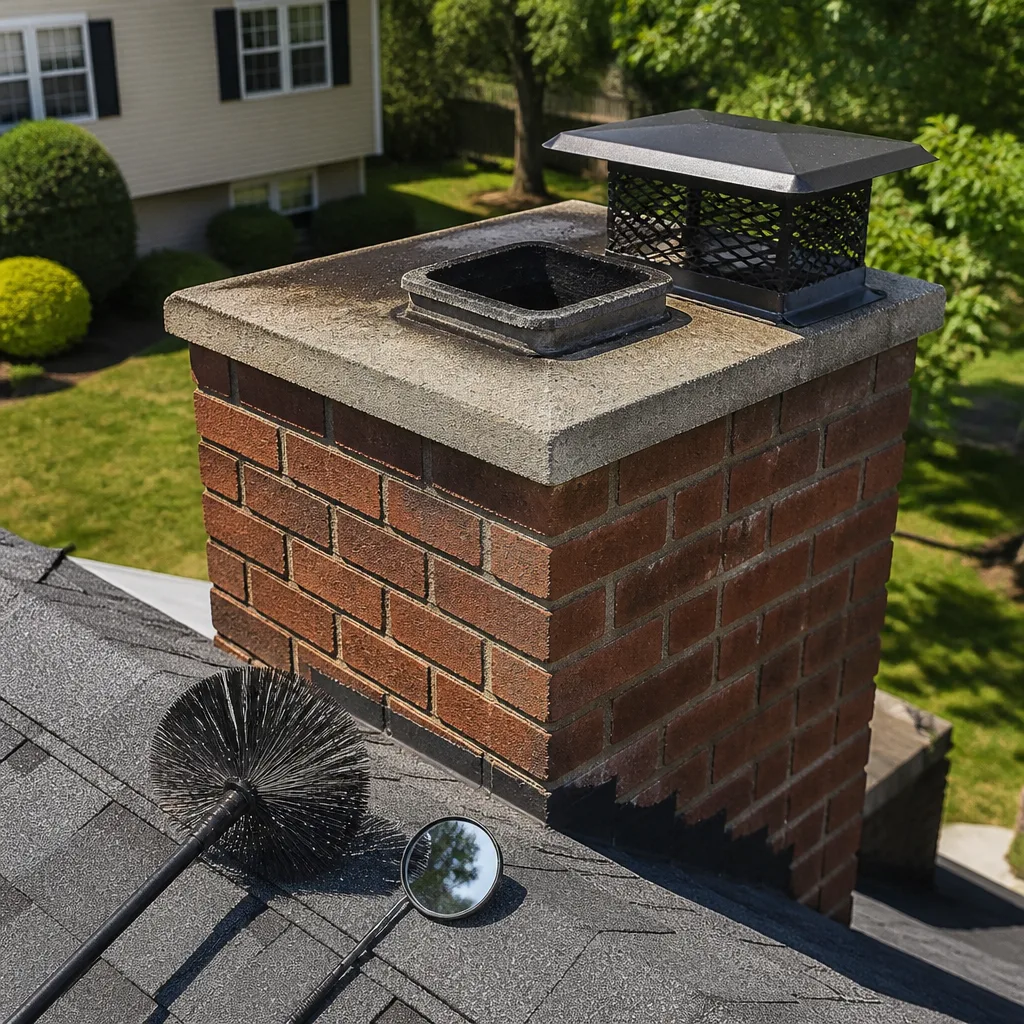 Sweep & inspection
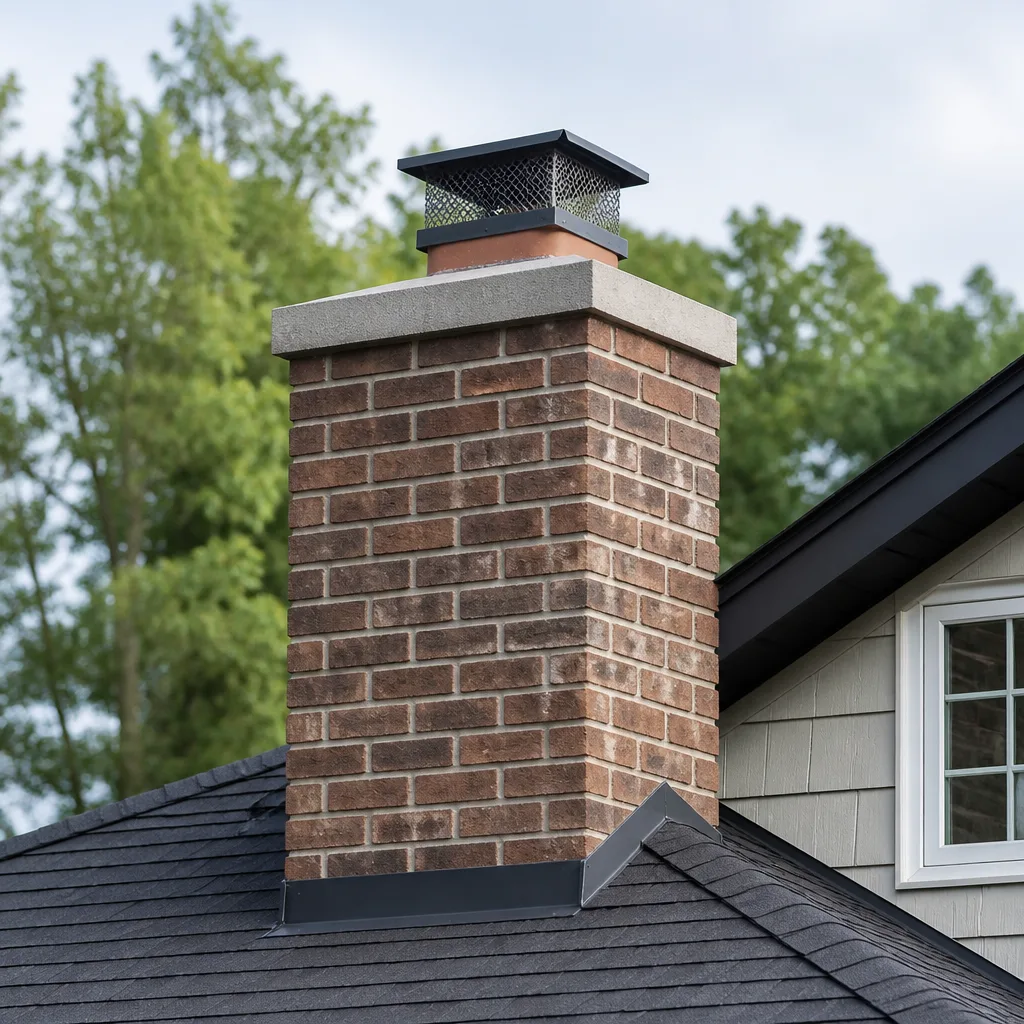 Caps & crowns
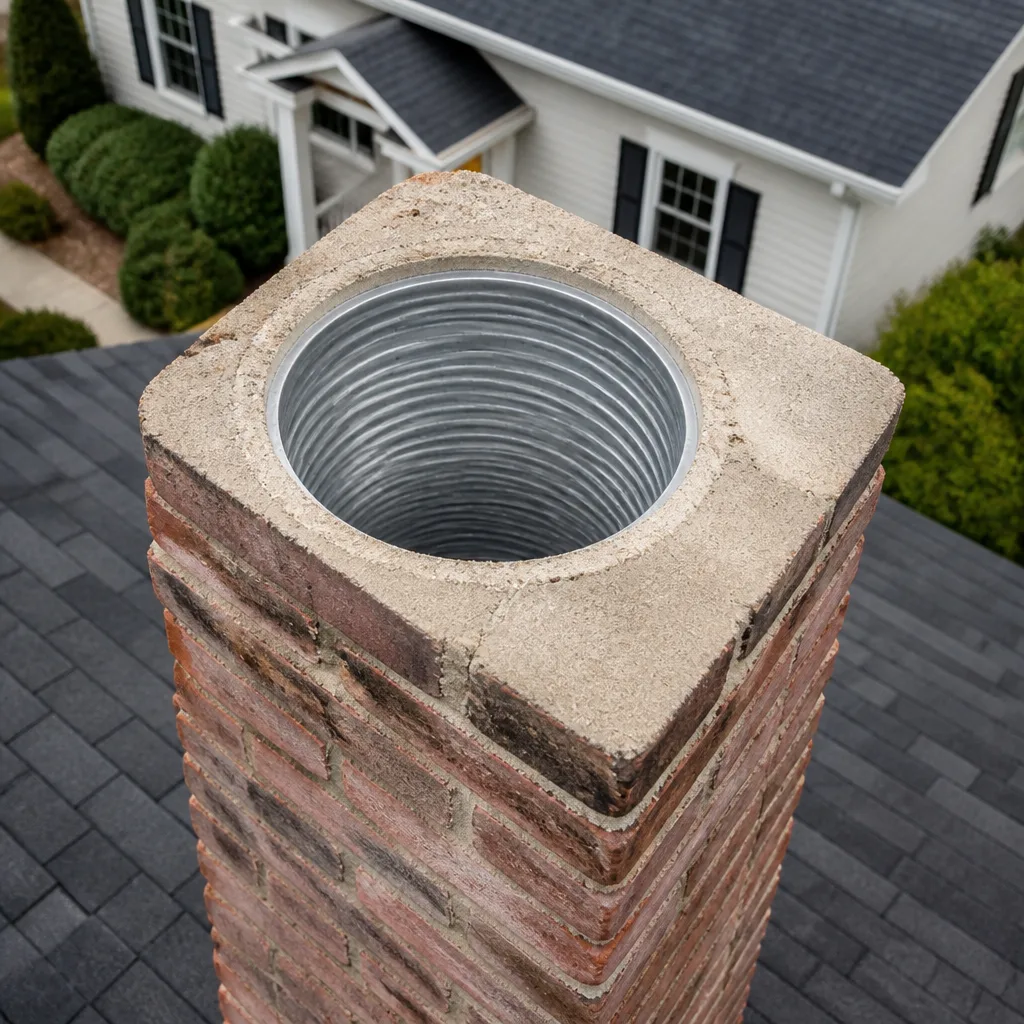 Flue relining
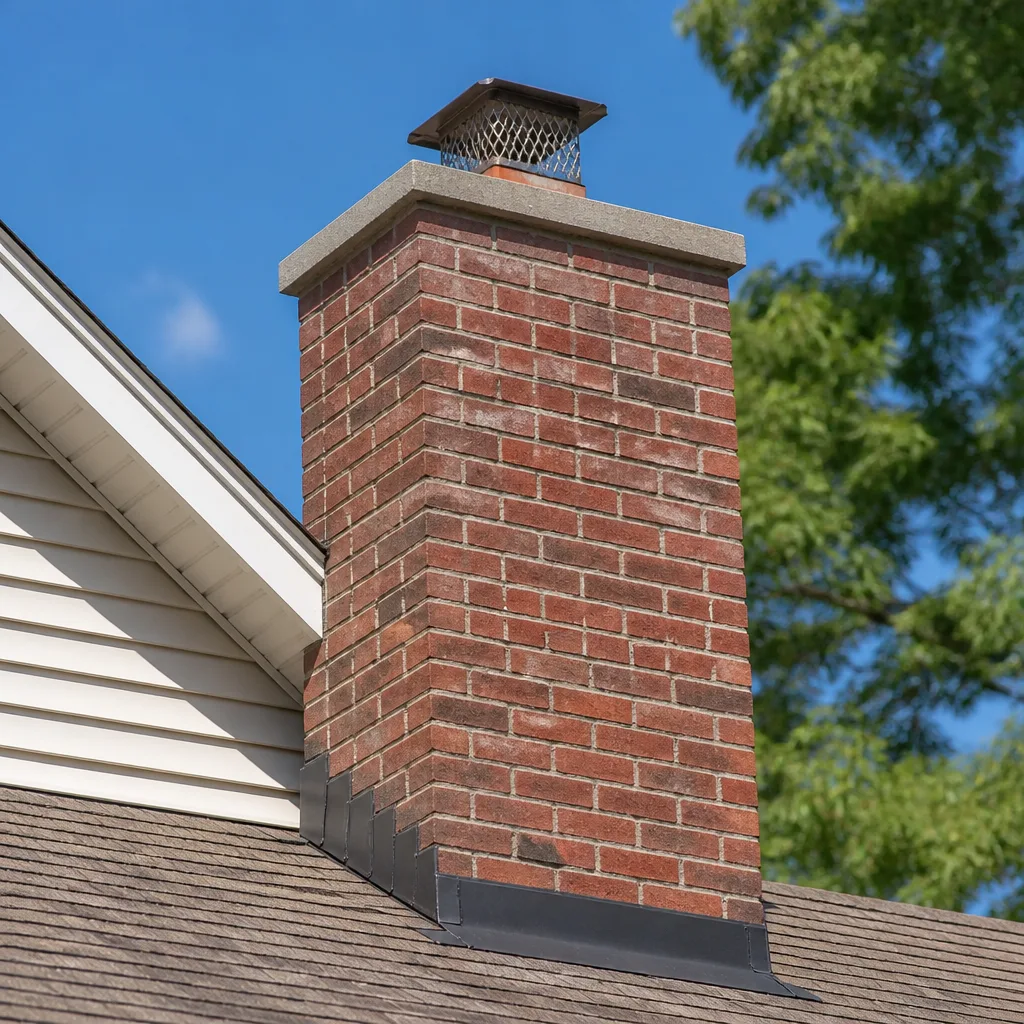 Masonry repair
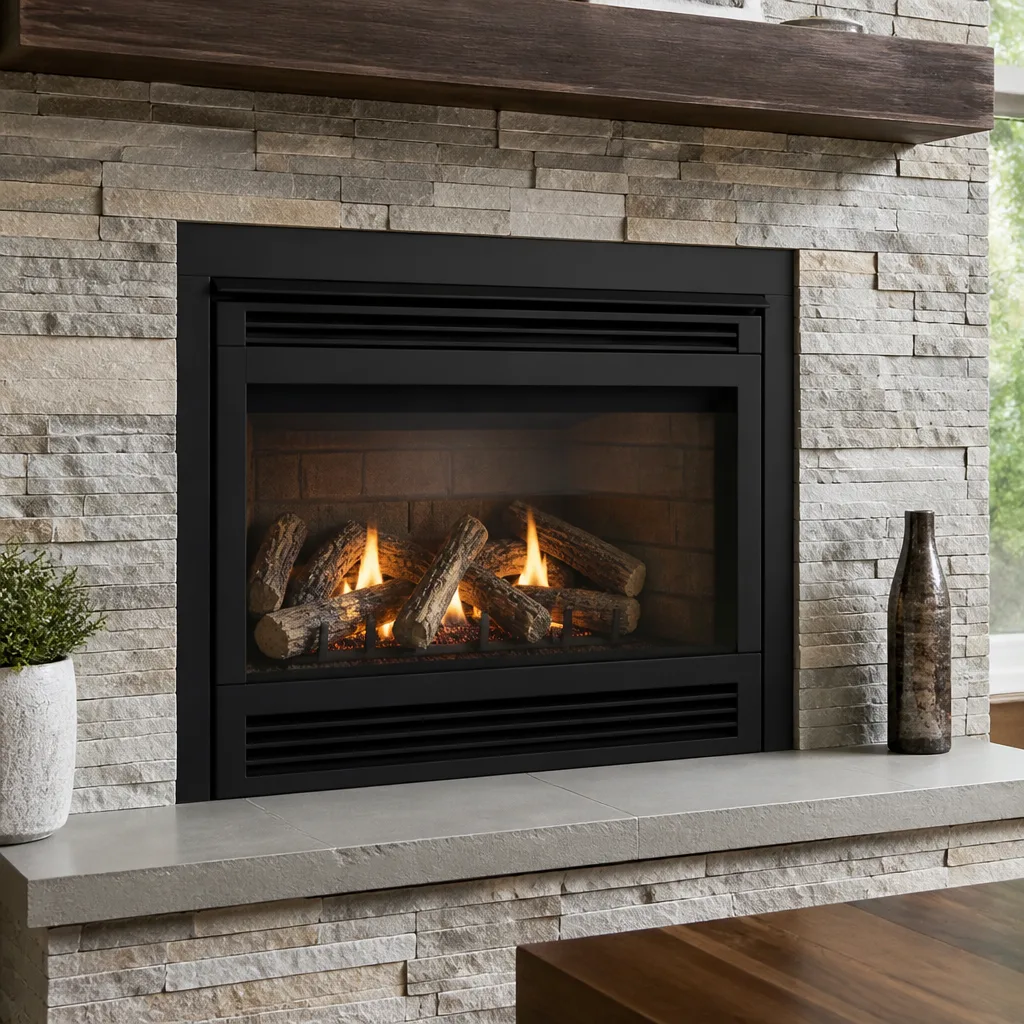 Gas fireplace service
Level 1 sweep and inspection to the NFPA 211 annual standard - flue, crown, cap, and flashing checked and photographed
Chimney sweep logs do not sweep chimneys. They loosen some creosote - which then falls where a brush and vacuum still have to collect it.
Choosing the Right Chimney Cleaning Brand: A Buyer’s Guide for Kingwood
Most Kingwood homeowners assume the person sweeping their chimney matters far more than the products going into it. The opposite is often true. Two contractors can do identical, careful labor, and one installs a liner and crown coating that lasts through Kingwood’s humidity cycle while the other uses a product built for dry air and watches it fail. The difference is what’s in the box, not how hard anyone scrubbed. In this guide we break down the materials that actually make up a chimney system, explain what specs matter in Gulf Coast conditions, and show you how to judge a product or a contractor before you spend money. You’ll finish knowing what to ask and what to avoid.
Quick Answer
Choosing the right chimney cleaning brand in Kingwood means separating two decisions: which consumer products you use for routine upkeep (brushes, creosote treatments, sealants) and which professional-grade materials a contractor installs (liners, crown coatings). For DIY upkeep, buy only UL-listed brushes and skip chemical shortcuts. For anything installed, insist on contractor-grade product lines and ask which one they use. Stainless liner alloy, crown coating chemistry, and whether a product is rated for humid climates matter more here than the cheapest bid suggests.
Styles & brands we work with
- Sweep & inspection
- Caps & crowns
- Flue relining
- Masonry repair
- Gas fireplace service
Table of Contents
- The four product categories that make up a chimney system
- Stainless liner grades: why 304 vs 316 matters
- How Kingwood’s humidity cycle punishes the wrong materials
- Consumer chimney cleaning products, honestly rated
- What to ask a Kingwood contractor about their materials
- How to evaluate materials against UL and ASTM references
- Common mistakes to avoid
- When to call a professional
The Four Product Categories That Make Up a Chimney System
A chimney isn’t one product. It’s a stack of components, and each has its own brand landscape and its own failure modes. When homeowners ask us about “the best chimney cleaning products in Kingwood TX,” they usually mean one category but end up buying from a different one. Here’s the map.
- Flue liners. The stainless or clay pipe that carries smoke and gases out of the house. Liner material and alloy grade decide how long the flue survives hot gases and condensation. Brands like Olympia Chimney and DuraFlex operate in this space.
- Crown coatings. The mortar or flexible coating on top of the chimney that sheds water away from the masonry. A crown product rated for wet climates performs very differently from a plain mortar mix.
- Waterproof sealants. Vapor-permeable sealants applied to the exterior masonry. The key spec is breathability. A sealant that traps moisture inside brick is worse than no sealant at all.
- Chemical creosote treatments. Products that soften or convert creosote deposits so they can be swept away. These are maintenance aids, not cleaners. Their marketing often overstates what they can do.
Each category has professional-grade lines and hardware-store generics. The gap between them shows up in lab testing and in the field, and it shows up fastest in Kingwood where humid air sits against a chimney for months.
Stainless Liner Grades: Why 304 vs 316 Matters
Stainless steel flue liners come in different alloy grades, and the grade is one of the most consequential choices in the whole system. The two you’ll hear about most are 304 and 316. Both are real stainless, both pass a basic UL listing, and both look identical from the outside. They are not interchangeable for every application, and the cheaper one often costs more over the life of the chimney.
Here’s how the trade typically uses them:
- 304 alloy is a standard stainless grade. It’s common for wood-burning flues and works fine when the appliance burns wood cleanly and the flue stays dry. It’s the more economical route.
- 316 alloy carries added molybdenum, which improves resistance to chlorides and corrosive condensates. It’s the grade most often specified for gas appliances and for wood systems where condensate or corrosive flue gases are a concern.
- Match the grade to the fuel. A wood stove and a gas insert have different exhaust chemistry. Putting a cheaper alloy on a gas appliance often costs more over the ten-year view because the liner can pit and need replacing earlier than the more suitable grade would have.
- Insulation matters as much as the alloy. A liner wrapped in insulation holds flue temperature higher, which reduces creosote and condensation. The best alloy installed bare underperforms a moderate alloy installed right.
When we recommend a liner, we choose it by appliance type, flue geometry, and what the liner has to live with. That’s why we carry flexible systems from DuraFlex. A flexible liner is what handles an offset, an ovaled flue, or an aged clay tile that a rigid liner can’t get through. We size the alloy to the fuel, not to the price tag.
How Kingwood’s Humidity Cycle Punishes the Wrong Materials
Kingwood sits in a humid subtropical climate. Long stretches of warm, moist air are normal, and that air finds every crack in a chimney system. This is where materials rated for dry climates fall apart. A product tested and marketed for a western or desert market may not handle repeated wetting and drying the way Kingwood’s air will deliver it.
Two things go wrong when you use the wrong material here:
- Trapped moisture in masonry. Sealants that don’t breathe hold water against the brick. The brick spalls and the mortar joint crumbles. A breathable, vapor-permeable sealant lets moisture escape and is what the material is actually built for.
- Crown failures. A crown coating that’s rated for dry conditions can crack within the first wet season. Once the crown cracks, water runs behind it and into the chimney. A flexible crown coating from a professional line handles normal masonry movement and sheds water the way it’s supposed to.
This is why we work with HeatShield and Gelco on the restoration side, and why we don’t install a crown product or a sealant we haven’t checked for wet-climate performance. Kingwood homes with tall pines and shaded lots also hold moisture longer on the chimney’s north face. If the material choice is wrong, that shade works against you all year.
Consumer Chimney Cleaning Products, Honestly Rated
You can buy a lot of chimney products at a hardware store in Kingwood. Some are genuinely useful. Some are marketed in a way that leads homeowners to skip the professional service they actually need. Here’s the honest breakdown.
- Chimney brushes. Useful for a light surface sweep. A poly brush is safe on stainless and clay; a wire brush can scratch a liner and shouldn’t be used on stainless. Buy a UL-listed brush sized to your flue, and know that brushing from the top down safely is a height job most homeowners shouldn’t attempt on a steep roof.
- Creosote logs and powders. These can soften a thin glaze of creosote. They cannot remove a heavy deposit and they cannot clean a flue. Their marketing often implies a “cleaning” they don’t deliver. Treat them as a mild maintenance aid, not a substitute for a sweep.
- Chemical creosote sprays. The professional-grade versions do real work with the right dwell time. The consumer sprays are weaker. Buying one and assuming your flue is now clean is how fires start.
- Soot vacuums. A shop vac marked for fine dust is useful; an ordinary household vacuum will clog and blow soot. Vacuums help cleanup, not cleaning.
- Sealants and crown patch kits. Cheap patch kits crack within a season in Kingwood’s climate. A crown is a load of masonry that has to move with the chimney. A patch kit can’t do that.
None of this is a knock on doing light upkeep yourself. It’s a warning against the marketing claims that tell you a $20 product replaces a professional service. It doesn’t. If you want a real clean, our chimney sweep service handles it with the brushes and equipment that match your flue.
What to Ask a Kingwood Contractor About Their Materials
The fastest way to sort a serious chimney contractor from a generalist is to ask what materials they use and why. A pro who works with professional-grade lines can name the brand, explain the grade, and give you a reason tied to your chimney and your fuel. Someone who can’t answer that question is a red flag. They’re likely buying whatever a supply house stocks that week.
Ask these questions before anyone goes on the roof:
- What liner brand and alloy grade will you use, and why? Listen for a specific answer that names the grade and ties it to your appliance type. “Whatever’s cheapest” is a no.
- What crown coating will you install, and is it rated for a wet climate? If they can’t tell you the product, they can’t tell you how it performs.
- What sealant will go on the masonry, and is it vapor-permeable? Breathability is the whole game here.
- Do you have flexible liner capability? Old or offset flues need it. A contractor without a flexible system will decline the job or force a liner that doesn’t fit.
- Can you resurface a damaged flue instead of replacing it? A HeatShield ceramic resurfacing system allows a damaged flue to be restored, keeping it code-compliant when the structure is still sound.
- Can you do the whole job in one place? A chimney cap and crown, a liner, and a fireplace repair should not be three separate contractors. That’s where accountability breaks.
Our team works with a curated roster of professional-grade brands, including HeatShield, Gelco, Olympia Chimney, and Famco. We name them because we choose them. When we recommend a repair, we can tell you which product, which grade, and why. That’s how a homeowner evaluates the material choice and not just the labor.
How to Evaluate Materials Against UL and ASTM References
Three reference standards separate vetted materials from hardware-store generics: UL 1777 for chimney liners, UL 103 for factory-built chimneys and their components, and the applicable ASTM standards for masonry and coating products. You don’t need to memorize them. You need to know that a real product carries a listing or a test reference that a manufacturer can put in writing, and a generic product usually can’t.
Here’s what to check:
- UL 1777 listing on a liner. This is the standard for chimney liners. A liner that isn’t listed to UL 1777 is a problem from the start.
- UL 103 listing on a factory-built chimney or vent. If a component is part of a factory-built system, it should carry the listing.
- ASTM references on coatings and sealants. The manufacturer should be able to state which standard the product was tested against for adhesion, flexibility, or vapor permeability.
- Written product documentation. A professional-grade brand can send spec sheets. A generic can usually only send a label. That gap matters when a repair needs to remain code-compliant.
We’re authorized to work with DuraFlex, HeatShield, Gelco, Olympia Chimney, Famco, and Copperfield, and we reference their documentation when we write an estimate. This is the depth of material knowledge that most single-vendor or generalist competitors don’t carry, and it’s what our customers are paying for when they hire us instead of the cheapest quote.
On the structural side of a chimney system, we also handle caps, crowns, and chimney repair in the same place. If a crown needs rebuilding, a liner needs resurfacing, and a cap needs a new screen, that’s one project, not three subs. If a fireplace needs work inside the home, our fireplace repair service takes it from there. And when a flue is damaged but the chimney structure is sound, resurfacing with HeatShield can often restore the liner without a full reline, which keeps the repair cost-effective and code-compliant.
Common Mistakes to Avoid
These are the patterns we see most often when a Kingwood homeowner calls us after a bad product choice or a bad quote:
- Buying a liner by price, not alloy grade. The cheapest stainless liner on paper is often 304 alloy installed bare. On a gas appliance in this humidity, that liner can pit sooner than a properly specified grade. Ask which grade and why before you buy.
- Trusting a “clean” marketed product without a real sweep. Creosote logs and consumer sprays can soften a thin glaze. They cannot remove heavy deposits. Skipping the professional sweep and relying on a product is the single most dangerous shortcut on this list.
- Sealing brick with a non-breathable product. Trapped moisture in Kingwood’s humid air spalls brick and erodes mortar. A vapor-permeable sealant is the correct product, and it should be labeled as such.
- Patching a crown with a hardware-store kit. A crown patch that’s not designed for a wet climate cracks in the first wet season. A flexible crown coating from a professional line is the right material.
- Hiring a contractor who can’t name their materials. If a sweep can’t tell you which liner brand or crown coating will go on your chimney, they’re not the right person for the work.
- Missing the flexible liner need on an old flue. Hiring a contractor without flexible liner capability means a job that stalls or gets a liner that doesn’t actually fit. Fewer crews can handle a non-straight flue than will tell you so up front.
- Splitting one chimney project across three contractors. Splitting a cap, crown, and liner job across multiple contractors adds coordination risk and leaves no one accountable for the whole system. Single-company accountability is what a repair should have.
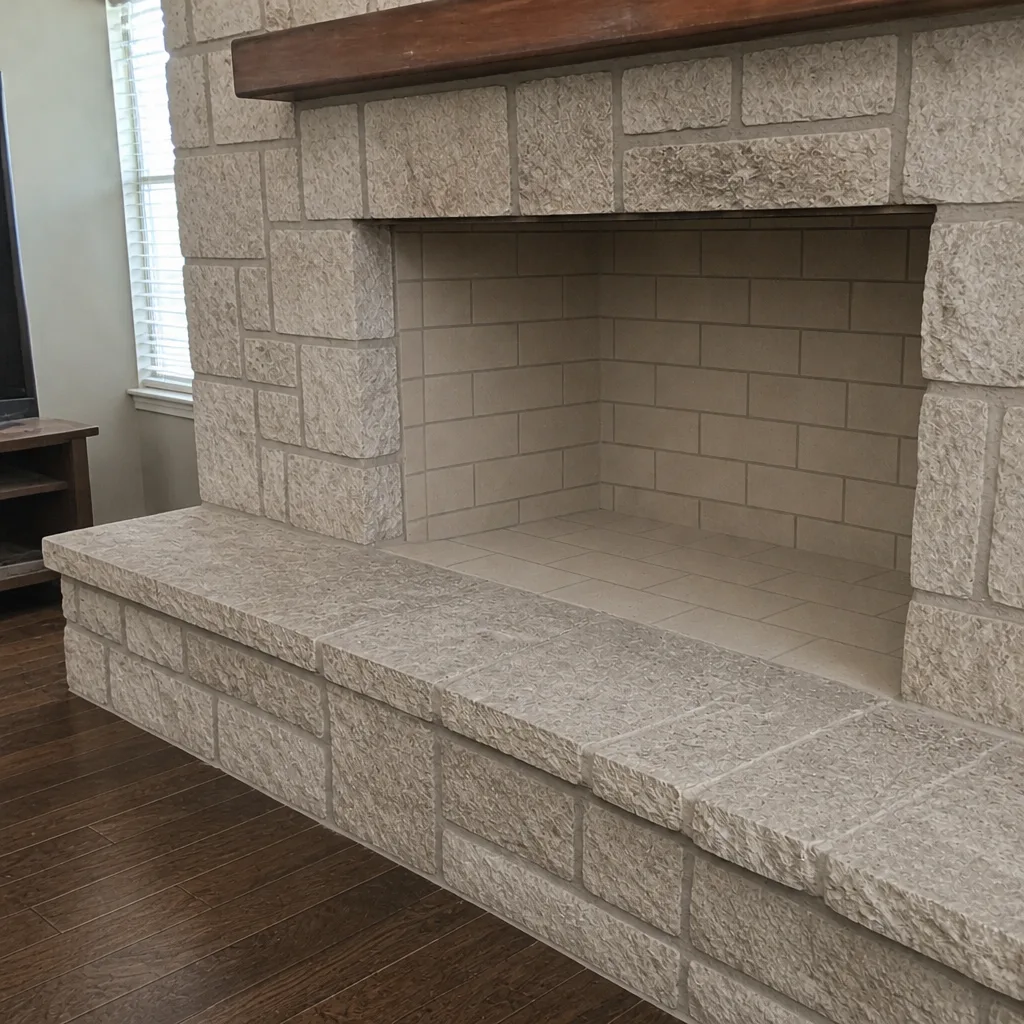
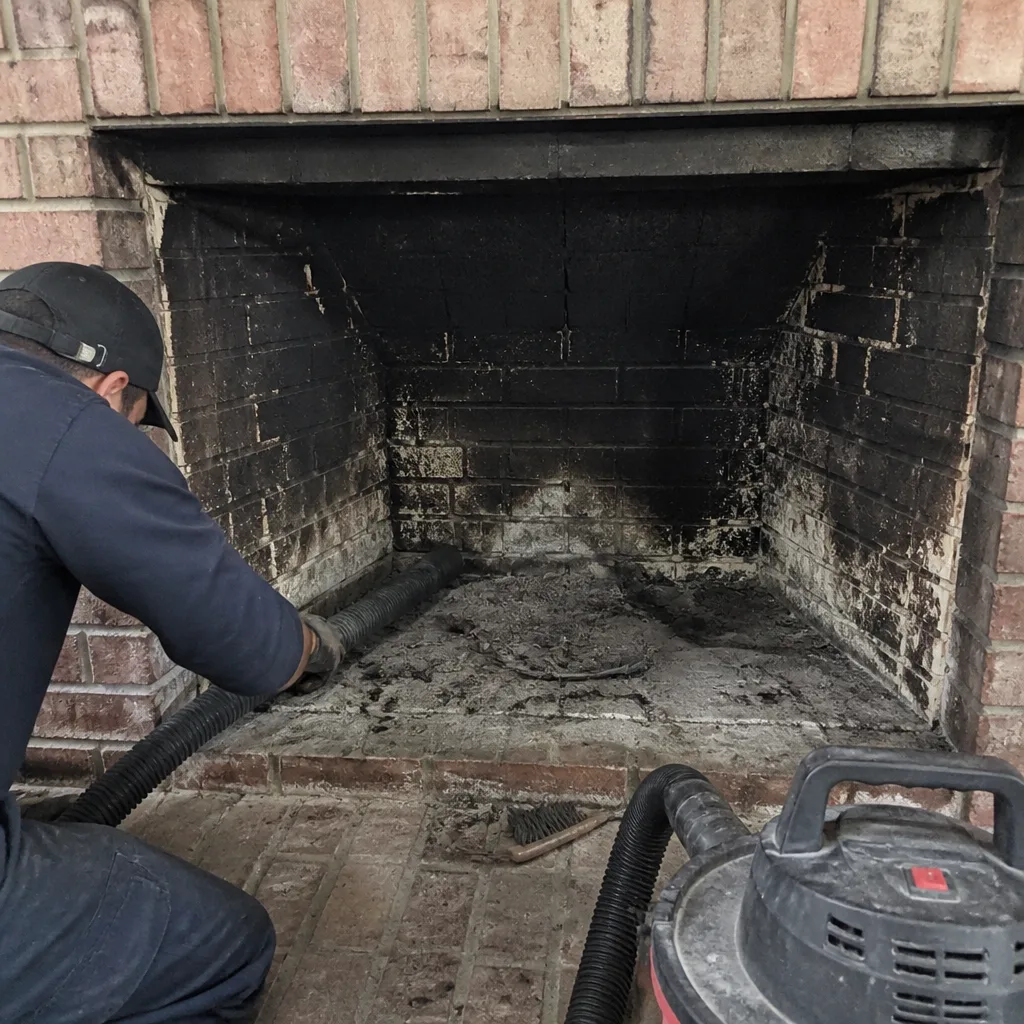
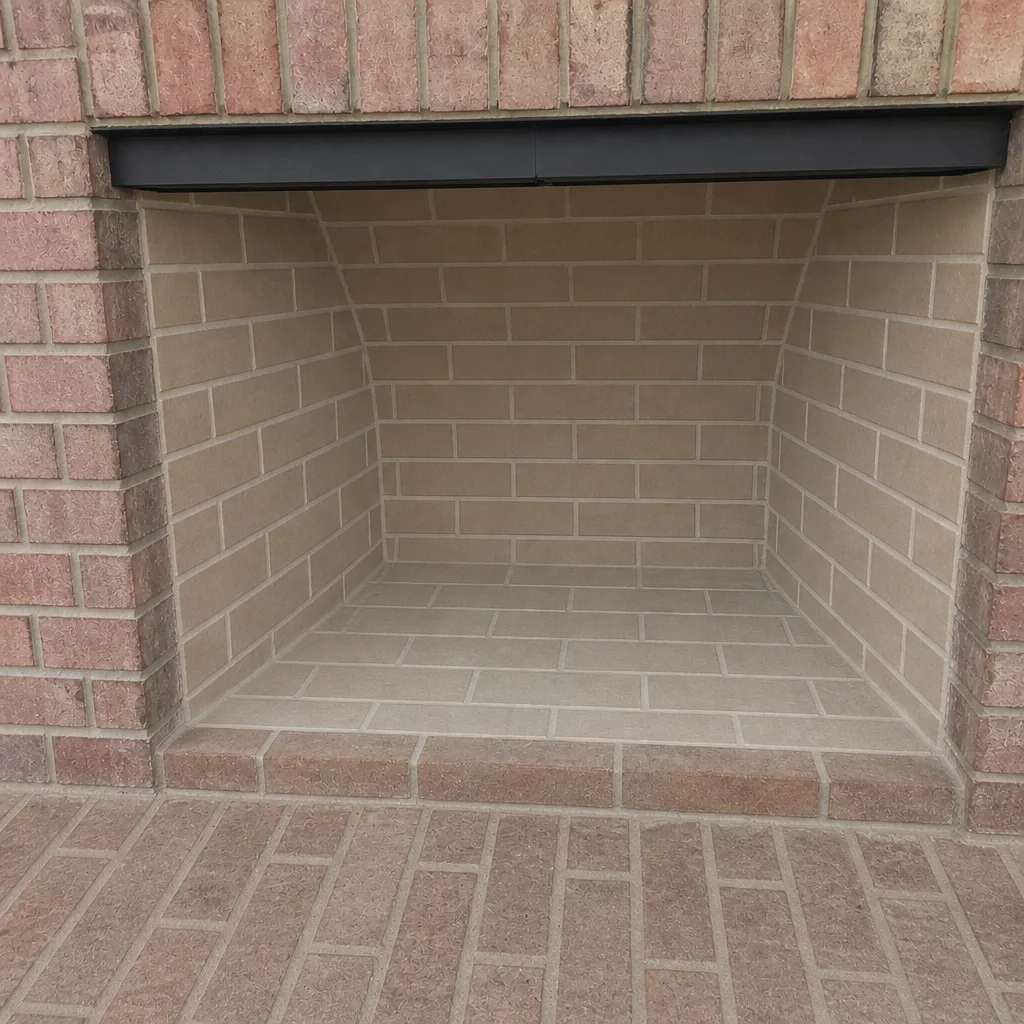
See the difference
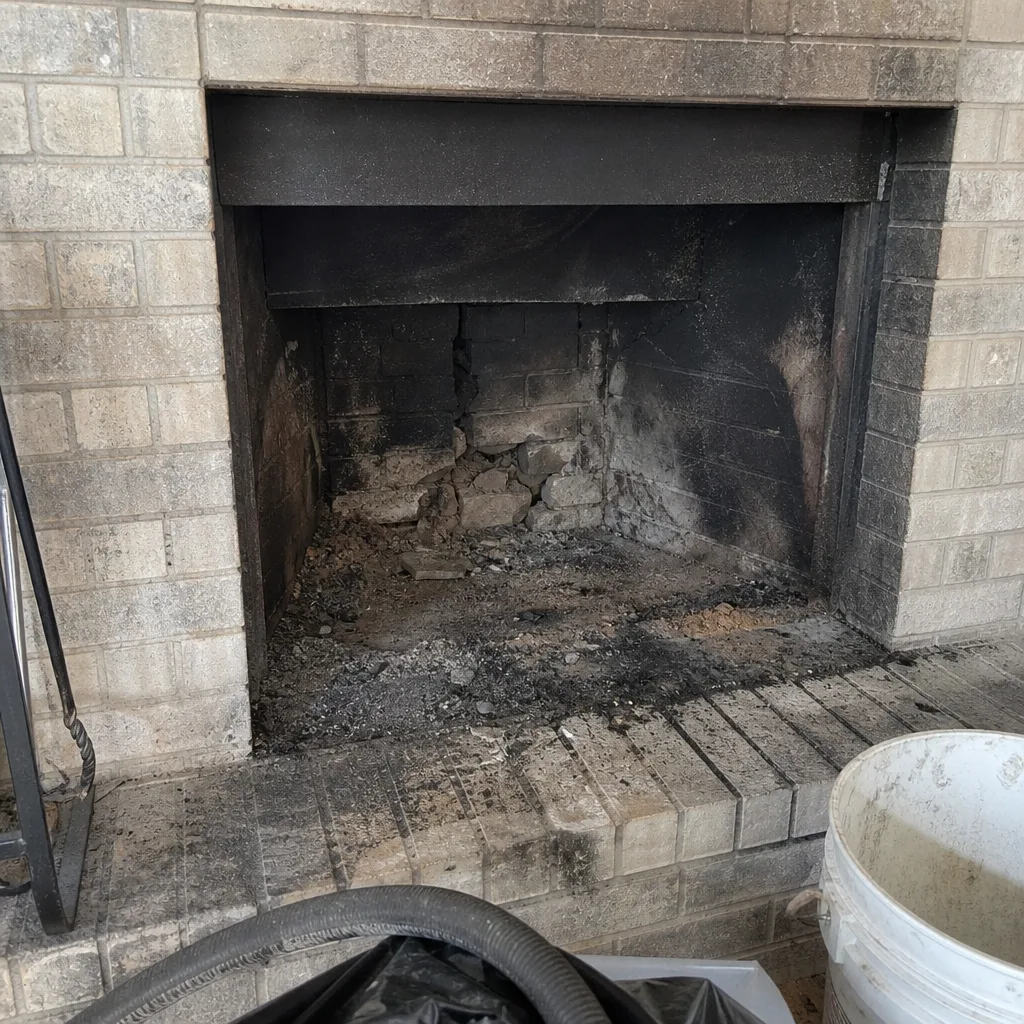 Before
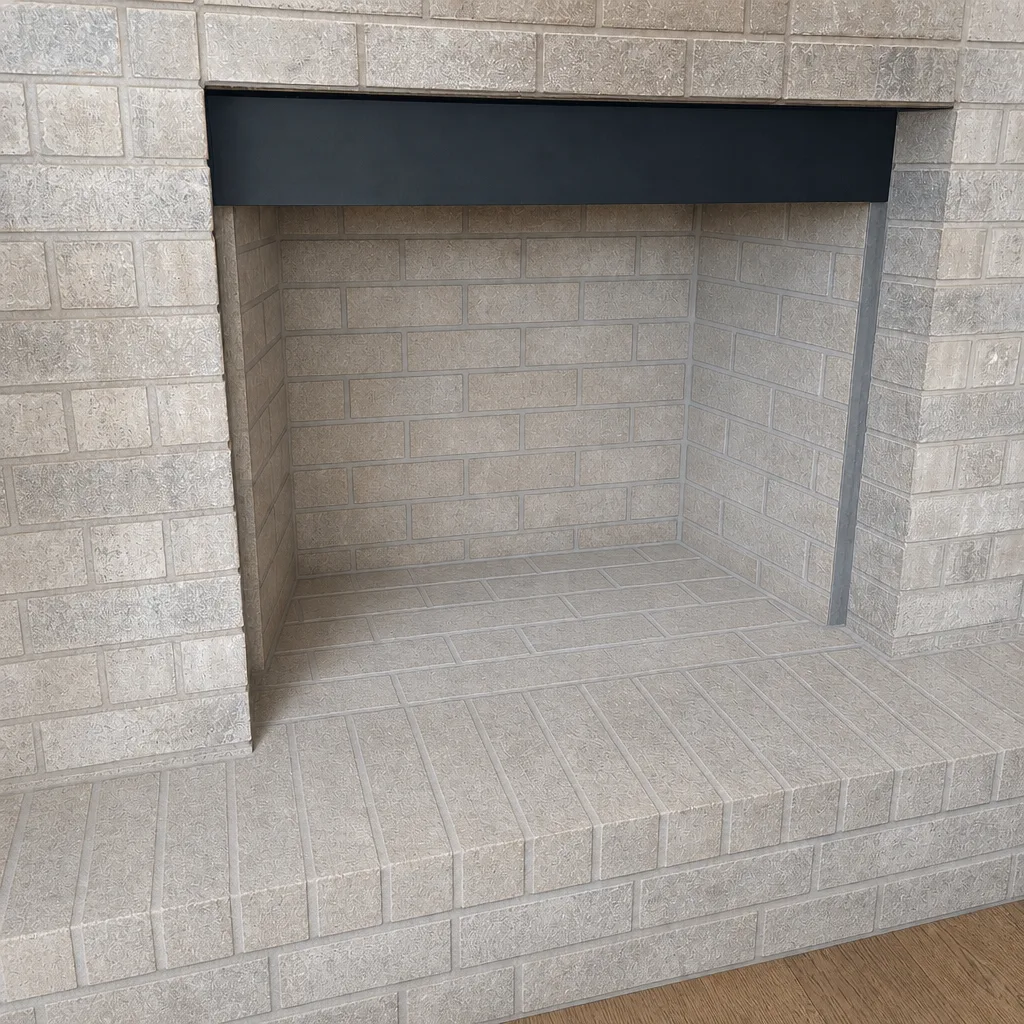 After
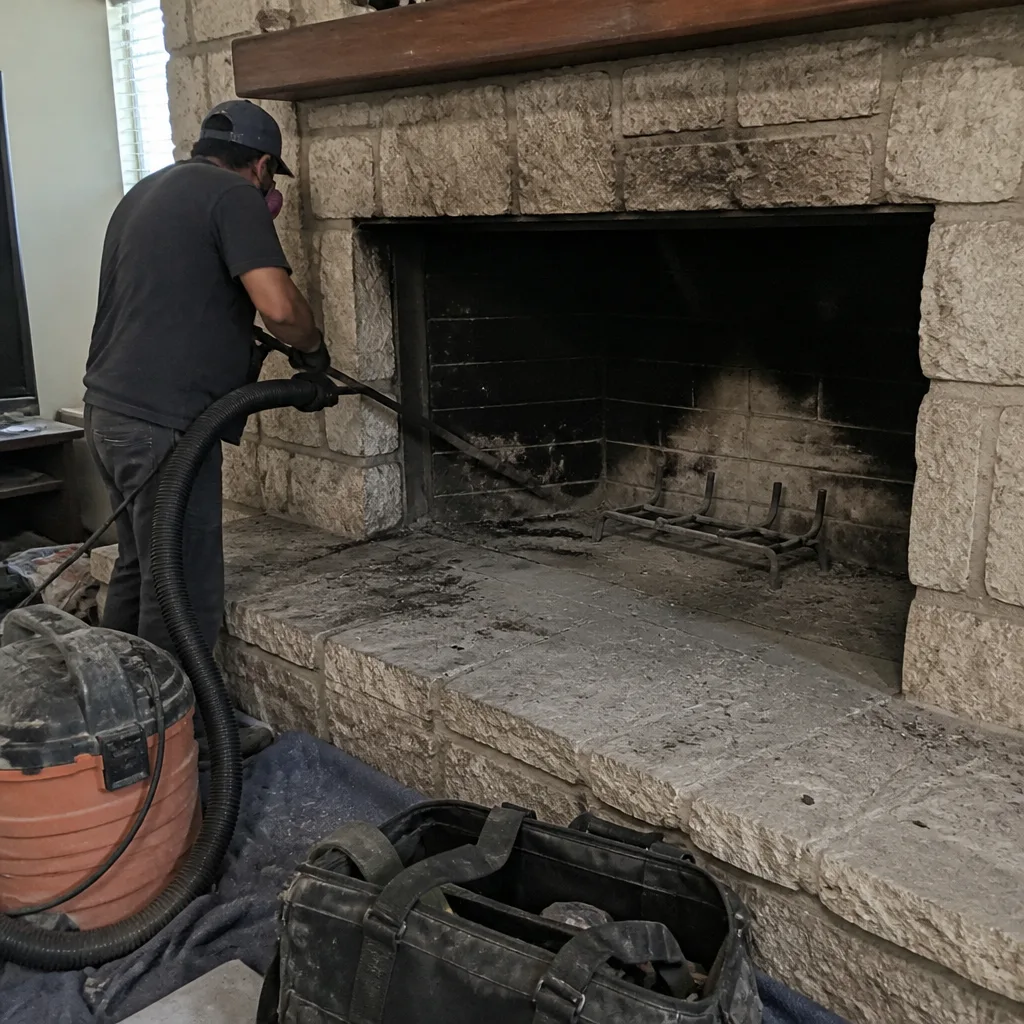 Before
 After
 Before
 After
When to Call a Professional
Some things you should not tackle yourself. Any work on the roof at height, any work on a flue liner, and anything involving gas appliance connections belongs with a trained professional. If you’re seeing creosote glaze, a cracked crown, crumbling mortar, a rusted chase cover, a smoking fireplace, or a damaged flue, that’s a call, not a DIY project. Gas appliance work in particular should be left to a trained professional, because a faulty connection is a carbon monoxide risk that a homeowner can’t see or smell.
If you’re buying or selling a home in Kingwood, a standalone inspection supports the transaction and gives the buyer real information. We tell you what your chimney actually needs, and nothing gets recommended without camera evidence you can see for yourself. Chimney Sweep Kingwood offers free estimates in Kingwood. Call (844) 960-2344. We answer 24/7. Fast dispatch from 7am to 7pm, Sunday through Friday.
Frequently Asked Questions
The best products depend on what you’re maintaining. For DIY upkeep, buy a UL-listed brush sized to your flue and skip consumer creosote sprays that imply a cleaning they can’t deliver. For anything installed, insist on professional-grade lines like Olympia Chimney for liners, HeatShield for flue resurfacing, and Gelco for crowns, and confirm they’re rated for a humid climate. Call (844) 960-2344 for an exact quote. Estimates are free.
You can keep a clay flue if it’s intact, correctly sized, and passing inspection. A stainless liner moves in when the clay is cracked, spalling, or under- or oversized for the appliance. We don’t recommend a reline without camera evidence, and we’ll tell you plainly when the existing clay tile can stay. That’s the diagnostic-first service we’ve built around.
Gas appliances produce flue gases that can be more corrosive to certain stainless alloys than wood exhaust. 316 alloy is more resistant to those corrosive condensates than 304 alloy, and that head start matters in a climate where humidity keeps the flue damp longer. If a contractor quotes a 304 liner for a gas appliance without explaining why, ask about the trade-off.
A patch kit is a hardware-store repair; a flexible crown coating is a professional-grade product that handles the movement of a masonry chimney. In Kingwood’s humidity, patch kits are the more common failure. The coating has to shed water and keep doing it through wet seasons. A contractor who can name the product and explain its rating is the one to hire.
Often, yes. A HeatShield ceramic resurfacing system can restore a damaged but structurally sound flue, keeping it code-compliant at a lower cost than a full stainless reline. The catch is that it’s not right for every flue. We inspect first, show the camera evidence, and recommend resurfacing only where it’s the appropriate fix. If a full reline is the only safe option, we say so.
Most chimneys should be swept at least once a year, and more often if you burn wood heavily or notice creosote buildup. The right interval depends on how much you burn and what your flue looks like, so an annual inspection is the honest answer. If you want a real number for your chimney, call (844) 960-2344 for a free estimate and a sweep scheduled around your actual use.
The Bottom Line
Choosing a chimney cleaning brand in Kingwood comes down to two decisions. For DIY upkeep, buy only UL-listed brushes and treat chemical products as maintenance aids, not cleaners. For anything installed, the material choice matters as much as the labor. Stainless alloy grade, crown coating flexibility, and sealant breathability all have to suit a humid Gulf Coast climate, and a contractor who can name and document their materials is the one to hire. Look for UL 1777 and UL 103 listings and ASTM references, and use the Chimney Sweep Kingwood guide whenever you need a starting point.
We handle the whole system under one roof: sweeping, inspection, chimney cap & crown installation, liner restoration with HeatShield, flexible liners from DuraFlex, and structural repairs. If you want the material choice explained and the repair reason shown to you on camera, we’re the crew that will do that. Call (844) 960-2344 for a free estimate. We answer 24/7. Fast dispatch from 7am to 7pm, Sunday through Friday, and we’re closed on Saturday.
Written by the team at Chimney Sweep Kingwood.