
Last updated November 22, 2026
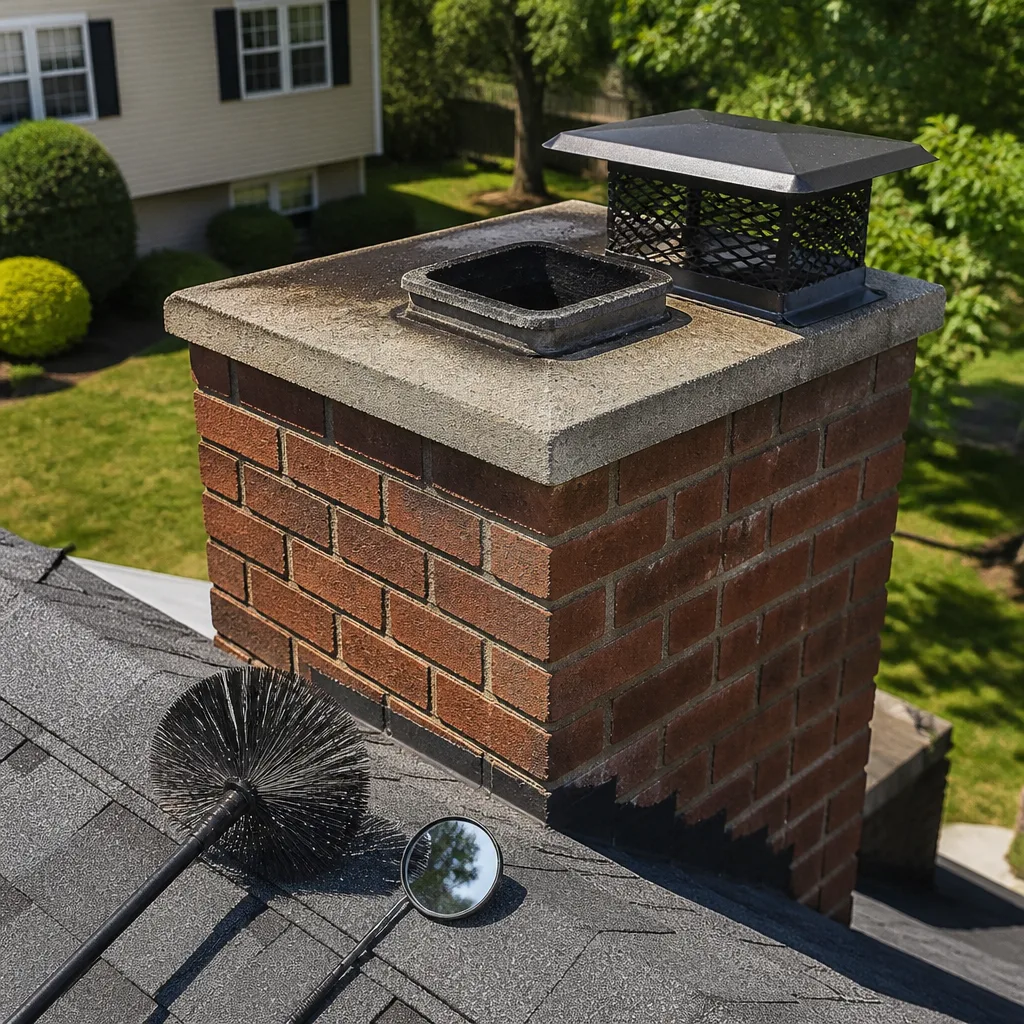 Sweep & inspection
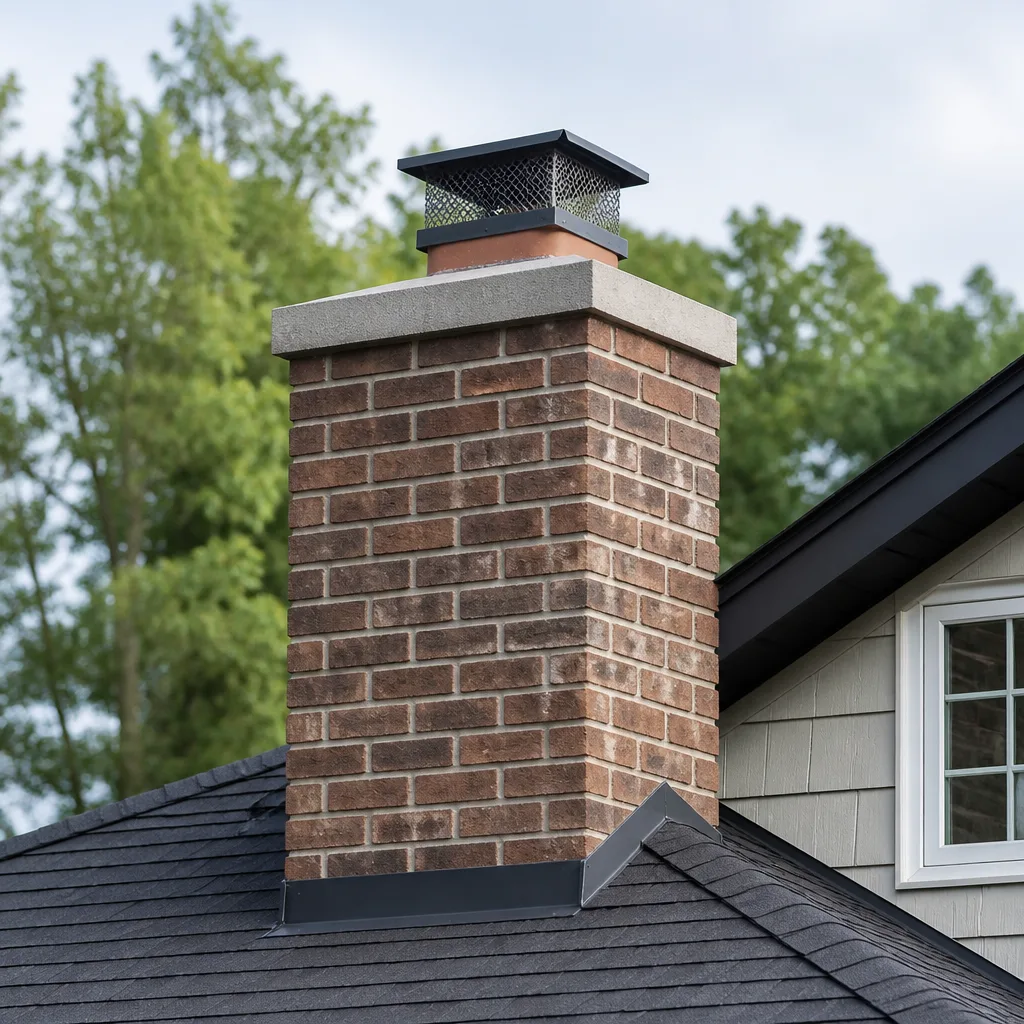 Caps & crowns
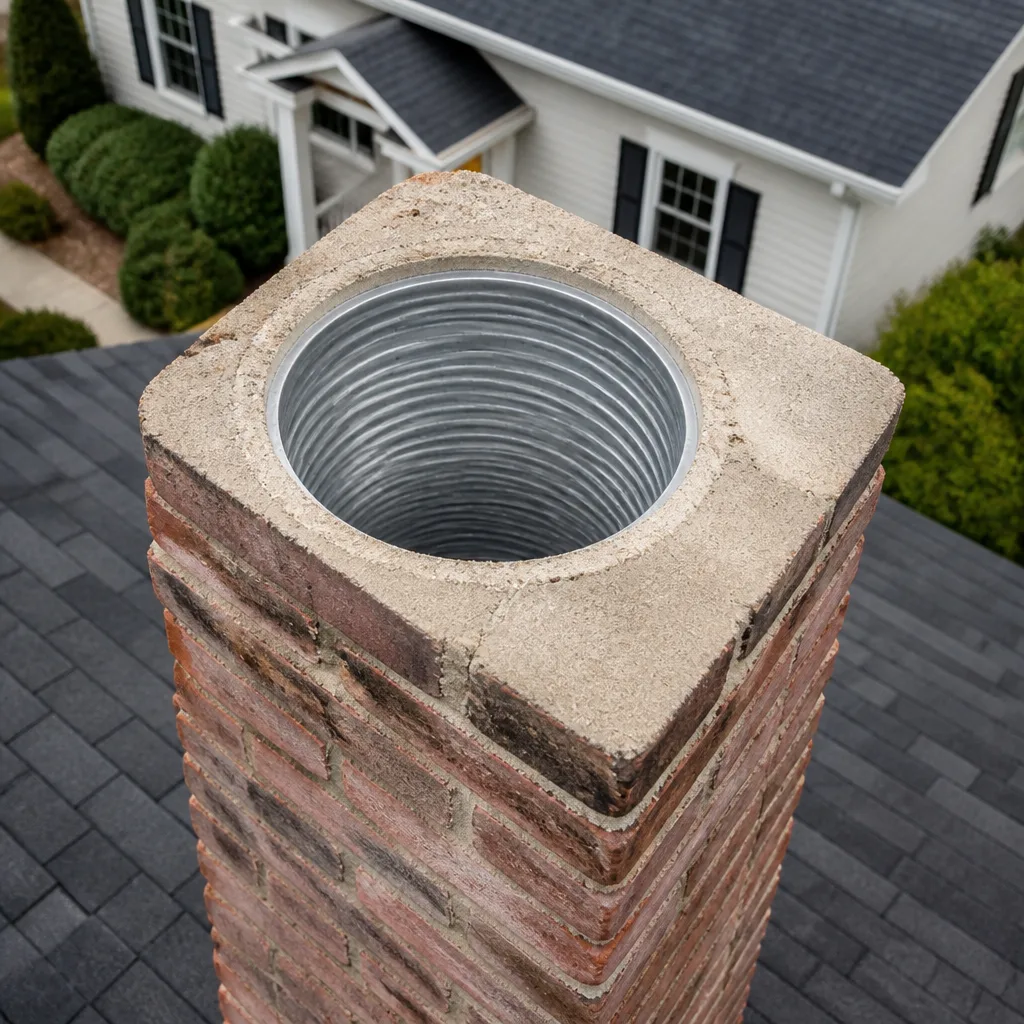 Flue relining
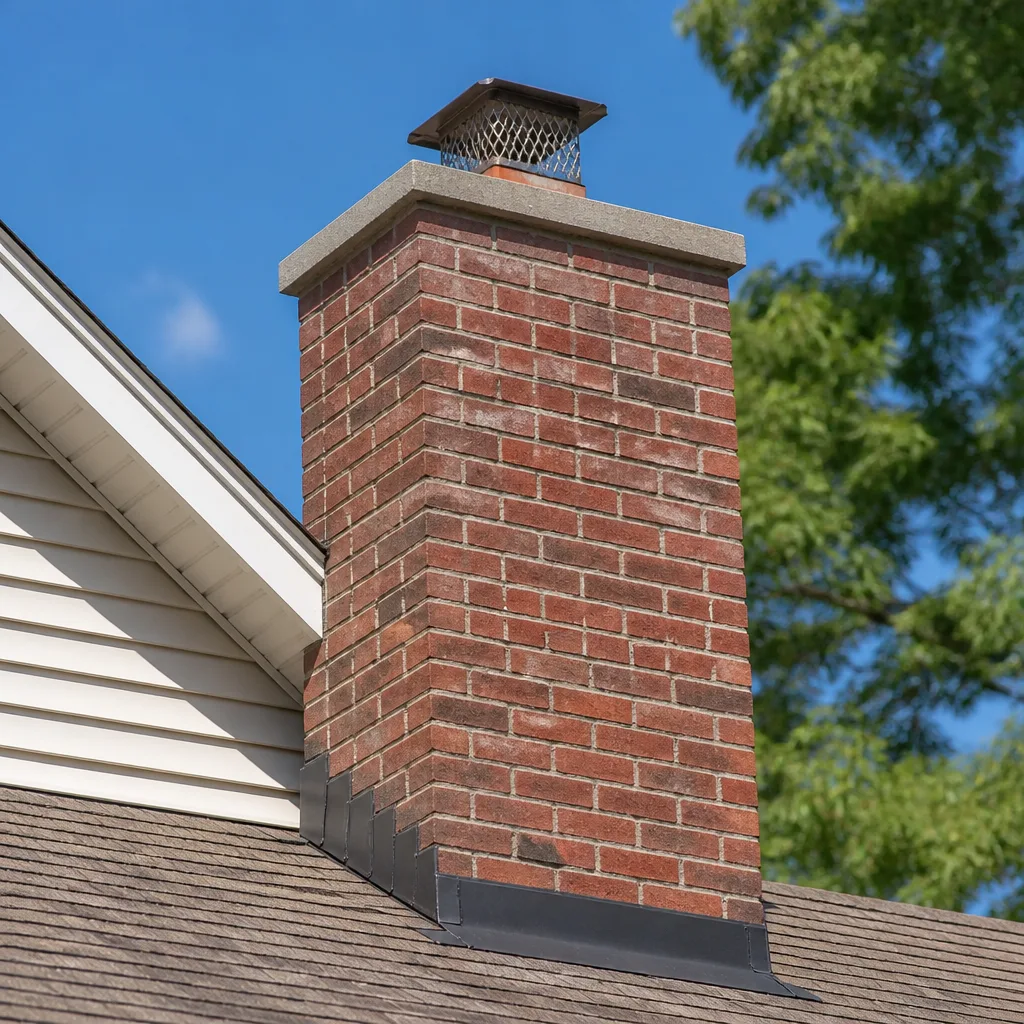 Masonry repair
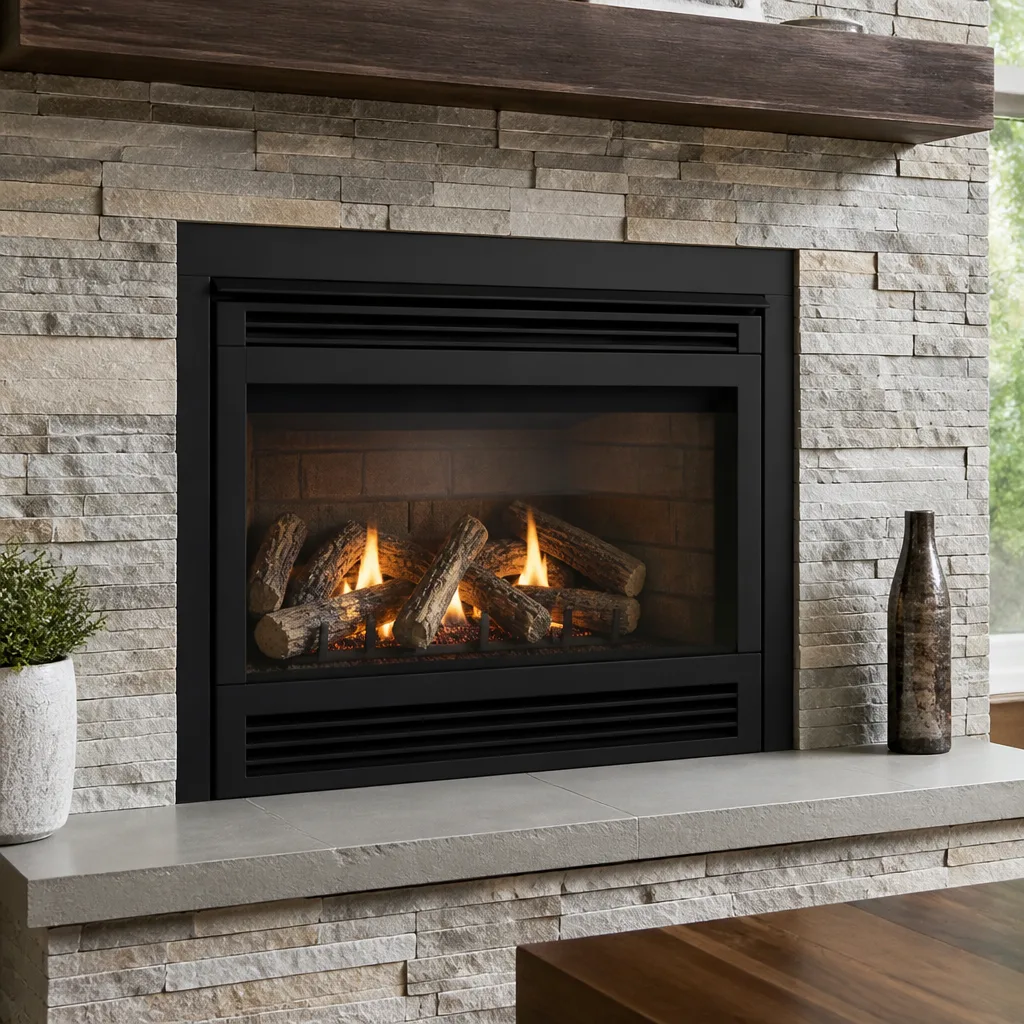 Gas fireplace service
Level 1 sweep and inspection to the NFPA 211 annual standard - flue, crown, cap, and flashing checked and photographed
Chimney sweep logs do not sweep chimneys. They loosen some creosote - which then falls where a brush and vacuum still have to collect it.
DIY vs Professional Chimney Cleaning: The Kingwood Homeowner’s Decision Guide
You can rent chimney brushes and clean your own flue, and you might remove loose soot successfully. But a brush and a ladder cannot show you a cracked flue tile, a failed liner joint, or a glaze of Stage 2 creosote bonded to the chimney wall. Those are the conditions that cause chimney fires, and they hide exactly where a homeowner’s eye can’t reach. The real gap between DIY and professional cleaning isn’t scrubbing power. It’s diagnosis. In this guide, we break down what you can honestly accomplish yourself, what needs a camera and professional access, how the costs compare once diagnostic value is counted, and why Kingwood homes in particular tend to hide problems behind their masonry.
Styles & brands we work with
- Sweep & inspection
- Caps & crowns
- Flue relining
- Masonry repair
- Gas fireplace service
Quick Answer
DIY chimney cleaning can remove light soot and ash from an accessible flue, but it cannot reliably assess chimney condition. Professional cleaning pairs the sweep with an inspection that identifies cracked tiles, failed liner joints, and advanced creosote before they become fire hazards. For most Kingwood homeowners, the professional visit is the safer and more cost-effective choice once diagnostic value is factored in. Chimney Sweep Kingwood offers free estimates if you want a straight answer on your specific chimney.
Table of Contents
- What DIY Chimney Cleaning Can Actually Accomplish
- What DIY Cleaning Physically Cannot Detect
- Why Kingwood Chimneys Make DIY Assessment Unreliable
- The Three Stages of Creosote – and Why They Matter
- DIY Cost vs Professional Cost: The Real Comparison
- The Insurance and Liability Angle Homeowners Overlook
- The One DIY Job That’s Genuinely Appropriate: Firebox Ash Removal
- Common Mistakes to Avoid
- When to Call a Professional
- Frequently Asked Questions
- The Bottom Line
What DIY Chimney Cleaning Can Actually Accomplish
Consumer chimney brushes, polypropylene rods, and shop vacuums with HEPA filtration are real tools, and they do a real job. If your chimney was swept recently and you’ve burned a cord of dry wood since, a homeowner with the right equipment can knock loose soot off the flue walls before it accumulates. That’s not nothing.
What a homeowner can realistically accomplish with consumer equipment:
- Remove light, powdery soot from straight, accessible flue sections
- Clear ash and debris from the firebox floor
- Inspect the firebox visually for obvious cracks or gaps in the brick
- Check the damper for smooth operation
- Confirm the chimney cap is present and undamaged from the ground with binoculars
What tends to go wrong is that a homeowner interprets a clean-looking flue as a healthy one. Soot removal and structural assessment are two different jobs done with two different toolkits. A brush sweep tells you the flue is cleaner. It tells you nothing about whether the clay tiles behind the soot have hairline cracks, whether a liner joint has separated, or whether creosote has glazed onto the wall in a form a brush cannot touch.
In our experience, the homeowner who calls us after a DIY attempt usually calls because of something they can’t answer: a smell after a fire, a draft that feels weaker than last year, or a visible crack they noticed only once the flue was clean. A chimney sweep from a trained technician includes the camera and the eye that a homeowner can’t replicate from the roof or the firebox. That’s the difference between the two services, and it matters most when the chimney is older.
What DIY Cleaning Physically Cannot Detect
The gap between cleaning and diagnosis isn’t a marketing slogan. It’s a real physical limitation of consumer equipment. Here’s what typically walks off a professional’s checklist and never appears on a homeowner’s, no matter how thorough the brush work is:
- Cracked flue tiles. A hairline crack in a clay tile lets heat and carbon monoxide reach the framing of the house. You cannot see it from the firebox, and you cannot see it from the top of the flue without a camera on a flexible rod.
- Failed liner joints. Where sections of a stainless liner meet, gaskets and seals can fail silently. A camera running the length of the flue catches this. A brush running the length of the flue does not.
- Stage 2 and Stage 3 creosote. Glazed creosote bonds to the flue wall and requires chemical treatment or specialized rotary tools to remove. Brushing at it can polish it into a harder surface.
- Offset and angled flue sections. Most flues aren’t perfectly straight. Consumer rods bind and stop at the first bend, leaving whole sections untouched above it.
- Chimney crown and cap failures. Water intrusion from a cracked crown damages the flue from the top down. A homeowner on the ground can’t evaluate it, and climbing a roof to do so isn’t a reasonable risk to take.
- Carbon monoxide leakage paths. This is the safety line. Any compromise in the flue system can allow combustion gases into living space, and the only reliable way to find it is professional inspection with a camera.
Each of these is exactly the kind of condition that leads to a chimney fire or a CO problem. Combustion is unforgiving of gaps, and the gaps are always on the inside of the flue where the brush passes but the eye never does. fireplace repair work often begins with one of these hidden conditions surfacing after a homeowner had been sweeping their own chimney for years.
Why Kingwood Chimneys Make DIY Assessment Unreliable
Chimneys in Kingwood tend to be built to a specific regional pattern, and that pattern makes DIY assessment less reliable than it might be in newer construction elsewhere. Older masonry in Kingwood neighborhoods commonly shows:
- Aging mortar joints and clay tile flues that have been through many humid summers and mild winters, with moisture slowly opening gaps
- Off-center or offset flues in homes built with a bend around a structural feature, which stops consumer brushes short of the top
- Storm damage to caps and crowns after a heavy Gulf-season thunderstorm, with damage invisible from the ground
- Creosote buildup from mixed-season burning, since Kingwood’s mild winters mean fireplaces get used in short, inconsistent bursts rather than long cold-season seasons – and intermittent burning produces more creosote than steady burning
That last point is worth spelling out. In a mild climate like Kingwood’s, homeowners tend to build fires on the handful of genuinely cold evenings each winter, then let the fireplace sit for weeks. A hot fire into a cold flue, then a long cool-down, then another hot fire, produces more creosote deposition than a steady burn. The chimney never gets the consistent hot operating pattern that keeps deposits thin.
Add storm-driven moisture and the occasional aging-masonry repair, and you get a chimney that looks fine from the living room but carries several invisible conditions at once. If the cap or crown has failed, water is getting in at the top and working through the flue year-round. That’s a chimney cap & crown question, and it’s one no homeowner can answer from the hearth.
The Three Stages of Creosote – and Why They Matter
Creosote is the byproduct of incomplete combustion, and it comes in three forms. Only the first is brushable by a homeowner, and even then only where the brush can reach.
Stage 1: Sooty, Flaky Creosote
Fresh deposits look like dry soot and flake off easily. A brush removes it well. Most of what a homeowner sweeps out of a flue is Stage 1 creosote, which is why DIY cleaning can feel like it worked. It did, for the easy layer.
Stage 2: Hard, Crusty Creosote
As deposits build up and bake, they harden onto the flue wall. The surface looks like dark dried tar. A brush skids across it. Professional removal uses rotary tools or specific chemical treatments to break the bond without damaging the flue. This stage is a common cause of chimney fires because it sits right against the flue wall and can ignite from a single hot ember.
Stage 3: Glazed Creosote
The most severe form burns into a glass-like glaze. It requires chemical removal over multiple steps. A homeowner brushing at Stage 3 makes the problem worse by polishing it toward an even harder surface. By the time a chimney reaches Stage 3, the intervention is professional and the visit is not optional.
Because Kingwood’s mild winters encourage intermittent burning, Stage 2 buildup happens faster than a homeowner expects. The best time to have a chimney evaluated in Kingwood is before the burning season starts, not after a smell or a draft problem shows up.
DIY Cost vs Professional Cost: The Real Comparison
The honest comparison isn’t the price of a brush versus the price of a sweep. It’s total cost of ownership across a season, including what the DIY route leaves undone. Here’s how the two paths break down:
- DIY supplies: A consumer brush kit with rods runs roughly $60-$150 depending on flue diameter and rod length. Add a HEPA shop vacuum if you don’t own one ($100-$200), plus drop cloths and a proper respirator. That’s the honest first-year cost.
- DIY time: A responsible homeowner sweeping a mid-length flue should budget 1-3 hours for setup, sweeping, and cleanup, assuming access is safe. A second story roof or an offset flue changes that number dramatically.
- Professional sweep: A professional cleaning visit typically covers the sweep, the camera inspection, and a written photo report in one service call. The diagnostic value is bundled into the same price as the cleaning.
- Missed diagnostic costs: Cracks, failed joints, and advanced creosote all get more expensive the longer they sit. A cracked flue tile found early is often a smaller repair. The same crack found after a chimney fire is a full structural repair or a liner replacement.
When a homeowner factors in the cost of a camera inspection, a cap check, a crown evaluation, and a fireplace condition report on top of the sweep, the DIY savings shrink fast. And the conditions that DIY cleaning can’t detect are precisely the ones that generate later costs.
We work with professional-grade materials when any repair is needed: a Chimney Sweep Kingwood visit includes the sweep, the inspection, and honest advice on whether anything else is required. HeatShield’s ceramic resurfacing system lets us restore a damaged flue liner without a full reline when the flue qualifies, and DuraFlex flexible liner systems handle offset and irregular flues that standard liner stock won’t fit. We also work with brands like Olympia Chimney and Famco on caps, crowns, and liners when the flue requires it. The point isn’t to sell you a liner. The point is that the right answer can be identified only after the flue has been looked at properly.
The Insurance and Liability Angle Homeowners Overlook
Here’s the part most DIY guides skip. If a chimney fire damages your home, your homeowner’s insurance carrier will investigate the cause. Whether you’ve had a professional on record matters.
Insurance carriers are not generally obligated to deny a claim because the homeowner did their own maintenance. But most policies include a duty-of-care clause, and carriers commonly point to a documented pattern of professional inspection and maintenance as evidence the homeowner acted responsibly. The reverse is also true. A fire that follows years of self-cleaning with no professional inspection on record invites a coverage argument, and coverage arguments delay or reduce payouts even when they don’t deny them outright.
For Kingwood homeowners in particular, this matters because the regional hazard isn’t the same as in a cold-climate market. There isn’t a seasonal pressure to sweep every fall on the first cold weekend. Fires happen over a wider spread of the year, and if the chimney sat unattended through a humid summer with a cracked crown, a homeowner is more likely to experience a claim. A professional chimney inspection gives you a written record – photos, camera footage, and a signed condition report – that says exactly what shape the system was in on a known date.
That record matters if a claim ever happens, and it matters more for a resale or a real-estate transaction. Chimney inspections are frequently requested as part of a home sale for precisely this reason; a buyer wants proof the flue is sound, and a self-cleaned chimney cannot produce that document. It’s worth understanding what a professional inspection actually documents before deciding it’s something you can do yourself.
The One DIY Job That’s Genuinely Appropriate: Firebox Ash Removal
There is one chimney-related task a homeowner can and should do themselves: routine ash removal from the firebox. It’s low-risk, it helps the fire burn cleanly, and it doesn’t require climbing anything.
How to do it correctly without carrying soot into living space:
- Wait at least 24 hours after the last fire. Embers can stay live in an ash bed for a surprisingly long time. Never handle ash that could still be warm.
- Wear a tight-fitting respirator (N95 or better). Ash is fine and airborne. A dust mask from a hardware store is enough; a bandana is not.
- Set up a HEPA shop vacuum next to the firebox, running on low. This captures airborne ash as you work and keeps it out of the living room.
- Use a metal scoop and a metal bucket with a lid. Never a plastic bucket, and never a plastic scoop. A dormant ember finds plastic eventually.
- Leave a thin layer of ash on the firebox floor. An inch or so helps the next fire start and insulates the firebrick. Don’t scoop it clean.
- Take the bucket outside and away from the house before you open the lid. Do not store ash in a garage or on a wooden deck.
That’s the honest scope of appropriate DIY chimney maintenance. If your question shifts from ash removal to “is the flue okay,” the answer is above your pay grade and below a camera’s reach unless a professional is looking.
Common Mistakes to Avoid
- Climbing the roof without professional fall protection. Roof access is the single most common injury source in chimney work. A chimney brush isn’t worth a fall, and Kingwood’s afternoon thunderstorms make the roof slicker than it looks from the ground. Clean from the firebox with the right rods or call a professional.
- Burning a “creosote-log” as a substitute for sweeping. Those products are marketed as maintenance and do not remove Stage 2 or Stage 3 creosote. They can loosen Stage 1 deposits, but they cannot diagnose a cracked tile, and treating them as a substitute for inspection is how problems stay invisible.
- Judging the chimney by what comes out at the firebox. Soot color and volume tell you something about what burned. They tell you almost nothing about the flue above, where the failure points are. Assume the condition of the flue isn’t visible from where you stand.
- Ignoring the cap and crown check. A failed crown is what lets water into the masonry year-round in Kingwood’s humid climate. A homeowner can see the cap from the ground with binoculars; the crown cannot be evaluated that way, and skipping it leaves the top of the chimney out of the assessment every time.
- Skipping the professional inspection even after a successful DIY sweep. The sweep and the inspection are different services. A homeowner who has cleaned the flue but never had it inspected has done half the job. The camera matters more than the brush.
- Calling a sweep only when there’s a problem. Regular inspection keeps the system predictable. Calling after a smell, a draft, or a visible crack means the problem already had months to develop.
- Assuming a mild winter means the chimney needs less attention. Kingwood’s short, intermittent burning season deposits more creosote per cord than a steady burn pattern does. The climate works against the assumption that fewer fires means less maintenance.
When to Call a Professional
Call a professional when the question moves from cleaning to condition. Specifically:
- You see or smell smoke inside the house when the fireplace is running normally
- The flue has never been inspected, or has sat through a full year of intermittent burning
- You notice a draft that feels weaker than prior years
- Any crack is visible in the firebox brick or the surrounding mortar
- The chimney cap or crown looks damaged from the ground
- You’re buying or selling a home and need a documented chimney inspection
- The flue is offset, irregular, or has been relined and you’re unsure of the current condition
These are all conditions where the decision is not “clean or don’t clean.” It’s “diagnose before cleaning,” and diagnosis is the professional’s job. Chimney Sweep Kingwood offers free estimates in Kingwood. Call (844) 960-2344. We answer 24/7. Fast dispatch from 7am to 7pm, Sunday through Friday. Our technicians have up to 8 years of experience, and every visit includes a camera inspection with photos so you see exactly what we see before anything is recommended.
Frequently Asked Questions
You can remove light soot and ash from the accessible portions of your flue with consumer brushes and rods. What you cannot do is inspect the flue for cracks, failed liner joints, or advanced creosote, which requires a camera and professional access equipment. A DIY sweep is a partial job, not a substitute for a professional inspection. Call (844) 960-2344 for an exact quote on a professional visit – estimates are free.
A typical professional chimney cleaning in Kingwood usually includes the sweep, the camera inspection, and a photo report in a single service call, with the price set per job by the written estimate before any work begins. DIY supply costs of $60-$150 for a brush kit plus a HEPA vacuum close most of the price gap, and the DIY route still leaves the inspection undone. Call (844) 960-2344 for a free estimate specific to your chimney.
In a mild-climate market like Kingwood, where fires tend to be burned intermittently through the winter rather than steadily, an annual inspection makes sense even if a full sweep isn’t needed that year. Creosote deposits build faster with intermittent burning than with steady burning. The right schedule is set by inspection results, not by a seasonal default.
Yes. Looking fine from the firebox says nothing about the condition of the flue above it, where the actual failure points are. A hairline crack in a clay tile, a separated liner joint, or a glaze of Stage 2 creosote all hide above the firebox line where no homeowner can see them. The camera is the whole point of the professional visit.
It can. Most homeowner’s policies include a duty-of-care clause, and carriers commonly treat a documented pattern of professional inspection and maintenance as evidence the homeowner acted responsibly. A fire following years of self-cleaning with no professional inspection on record invites a coverage dispute that otherwise wouldn’t exist. A written condition report from a professional inspection is the record that eliminates the argument.
No, not as a substitute for a professional sweep. Creosote-removal products can loosen Stage 1 deposits, but they cannot touch Stage 2 or Stage 3 creosote, and they cannot detect a cracked tile or failed liner joint. Treat them as maintenance, not as a diagnostic. If your chimney hasn’t been professionally inspected in the past year, book an inspection regardless of what you’ve burned.
The Bottom Line
The DIY versus professional chimney cleaning question isn’t really about scrubbing power. A homeowner with a brush kit can remove light soot, and that’s genuinely useful for the simplest maintenance task: routine firebox ash removal done safely. But a brush cannot show you a cracked flue tile, a failed liner joint, or a Stage 2 creosote glaze, and those are the conditions that cause chimney fires and carbon monoxide problems. In Kingwood’s climate, where intermittent burning through a mild winter produces more creosote per cord of wood and where aging masonry and storm damage thin the margin for error, the diagnostic value of a professional visit is the entire decision. Clean what you can see. Have a professional look at everything you can’t. If you’re near Kingwood and want a straight answer on your chimney, call Chimney Sweep Kingwood at (844) 960-2344 for a free estimate. We answer 24/7. Fast dispatch from 7am to 7pm, Sunday through Friday, and closed Saturday. Our technicians have up to 8 years of experience, and nothing is recommended without camera evidence you can see for yourself.
Written by the team at Chimney Sweep Kingwood.
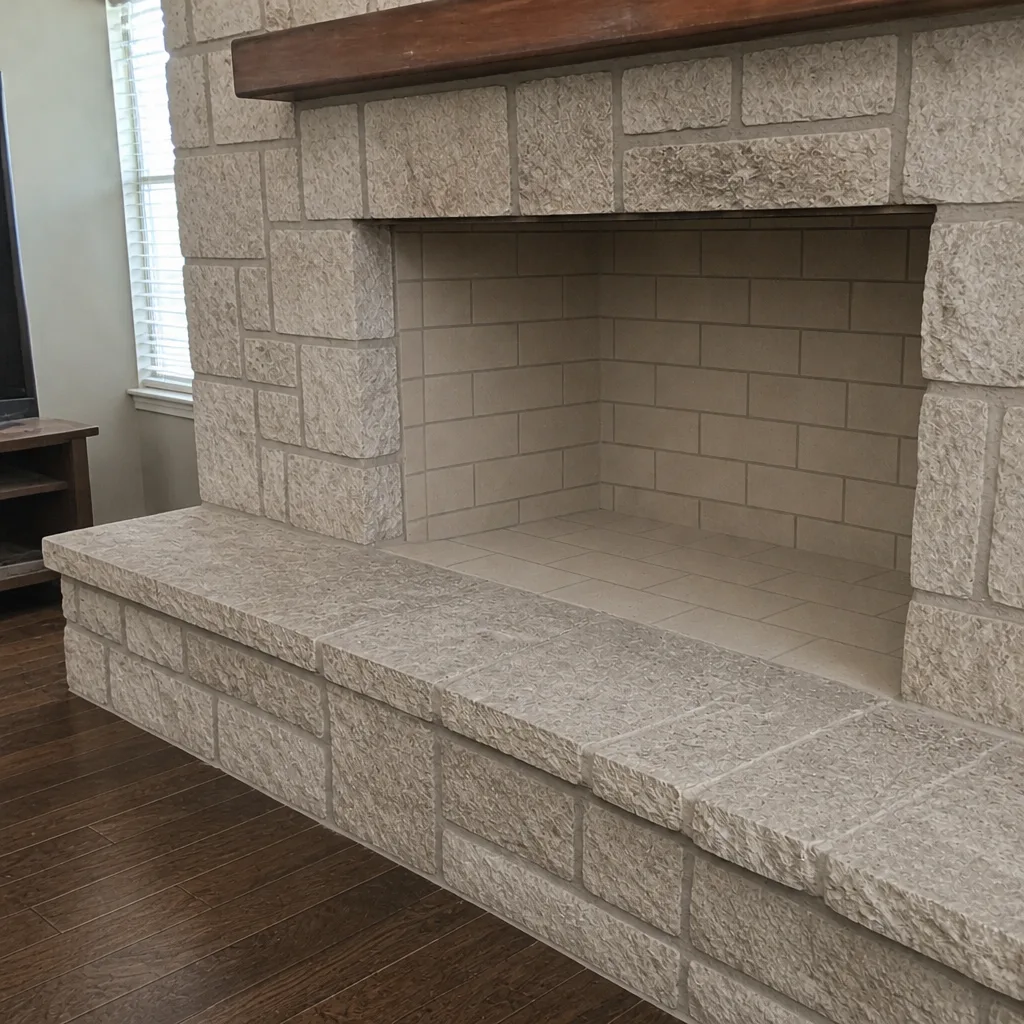
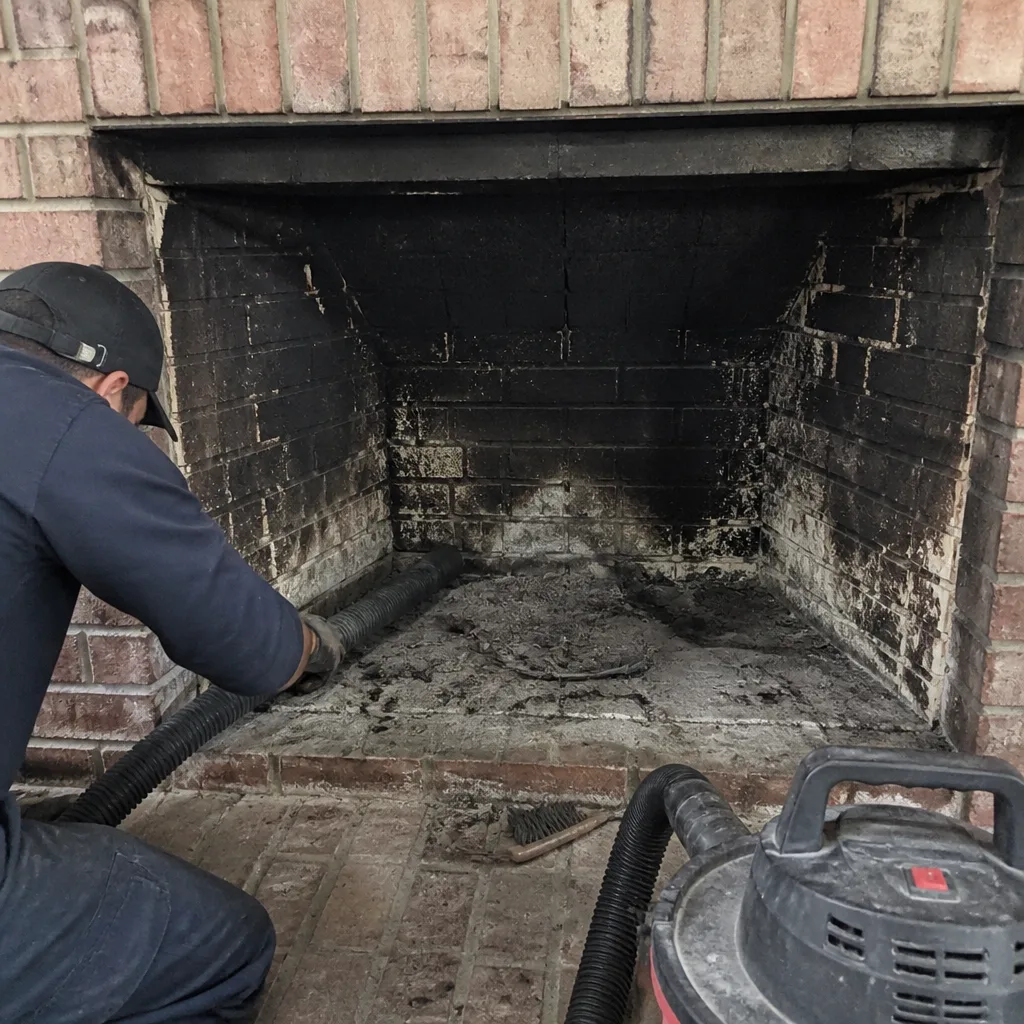
See the difference
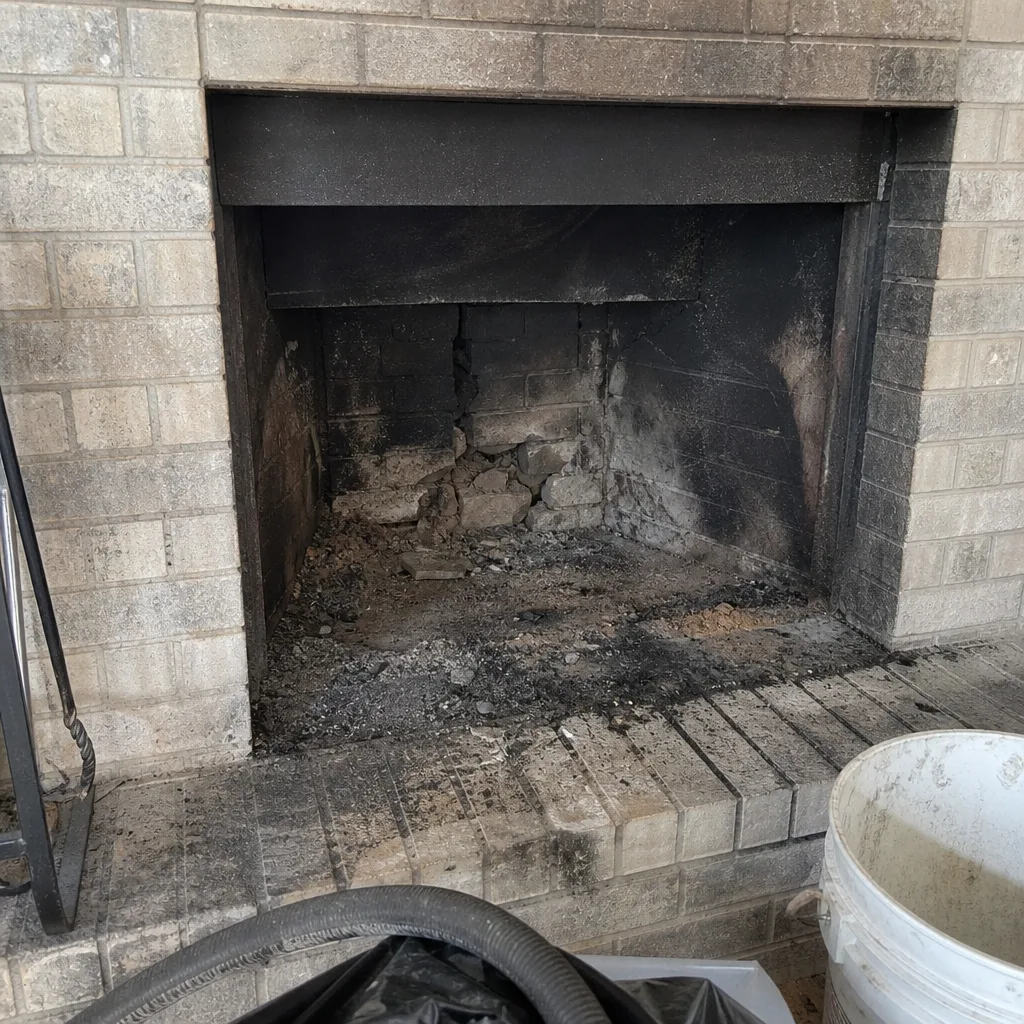 Before
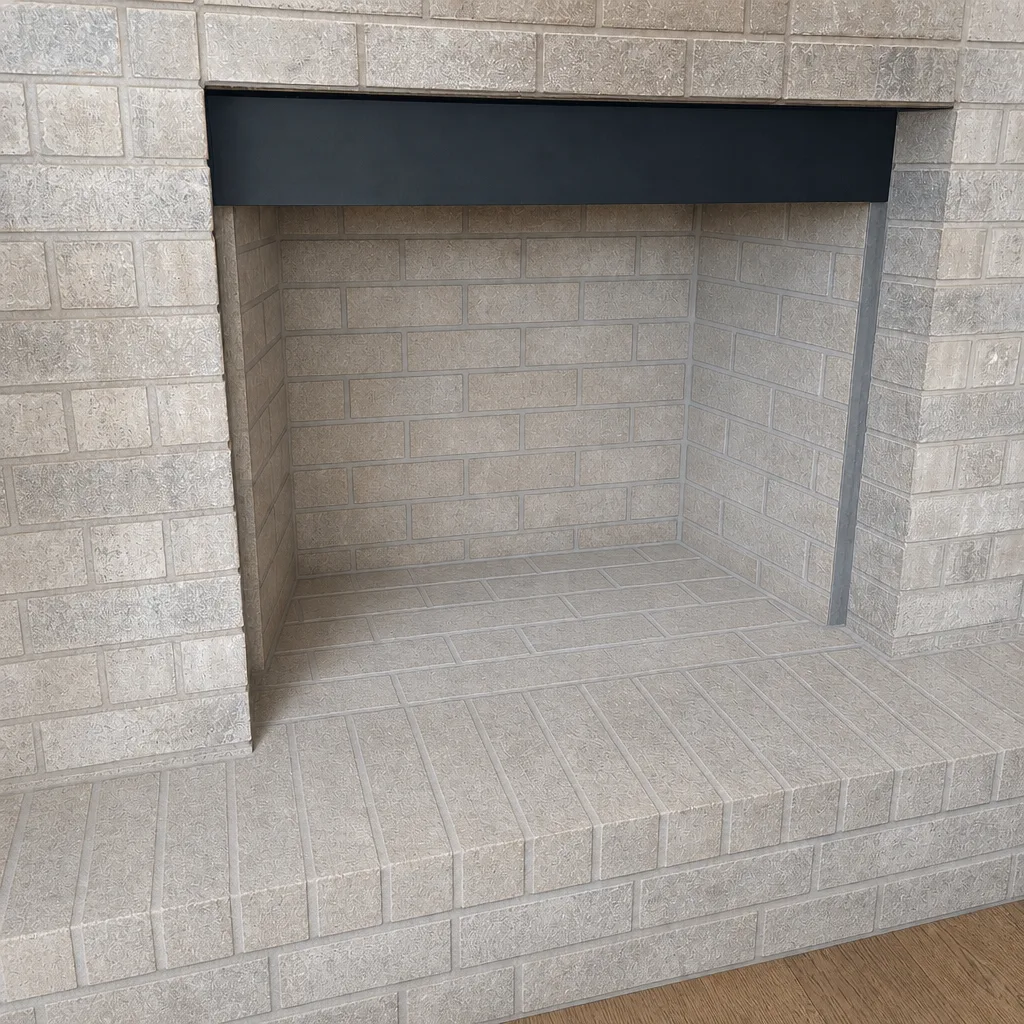 After
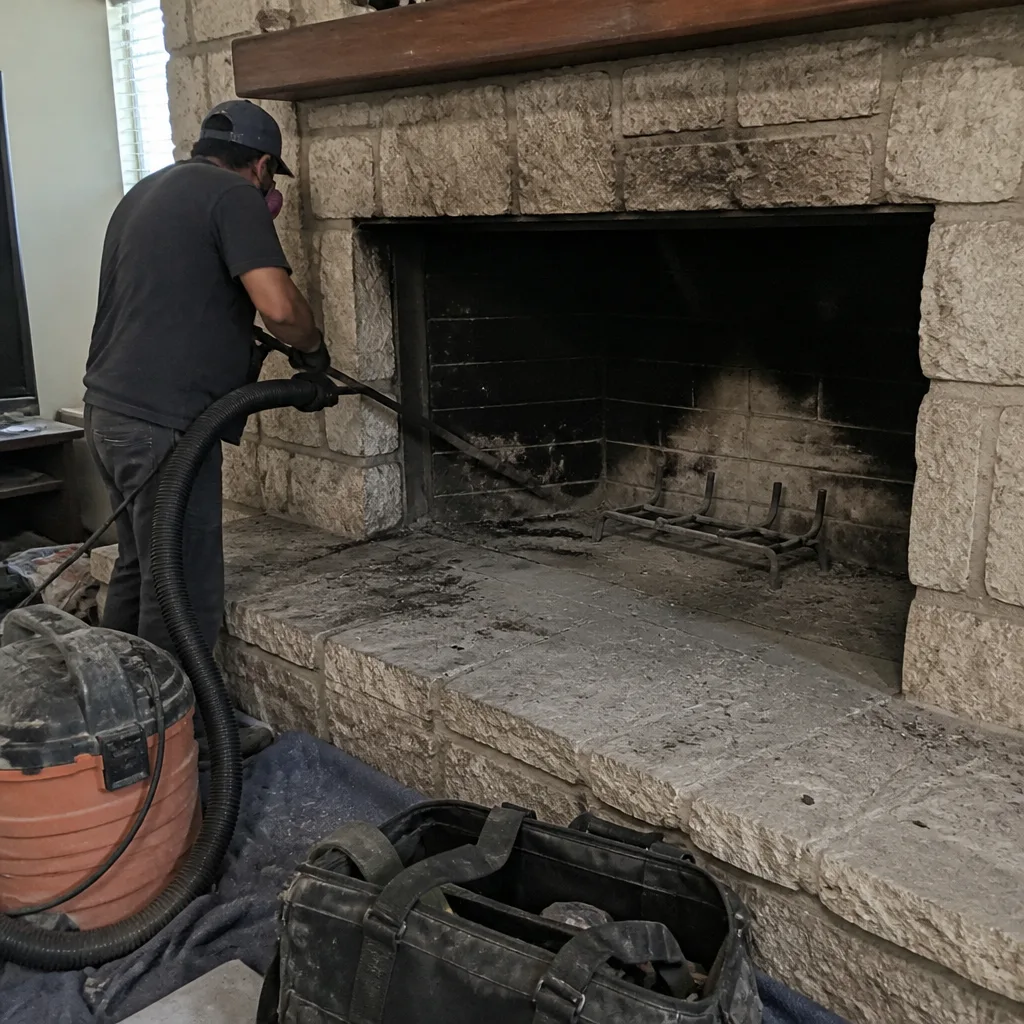 Before
 After
 Before
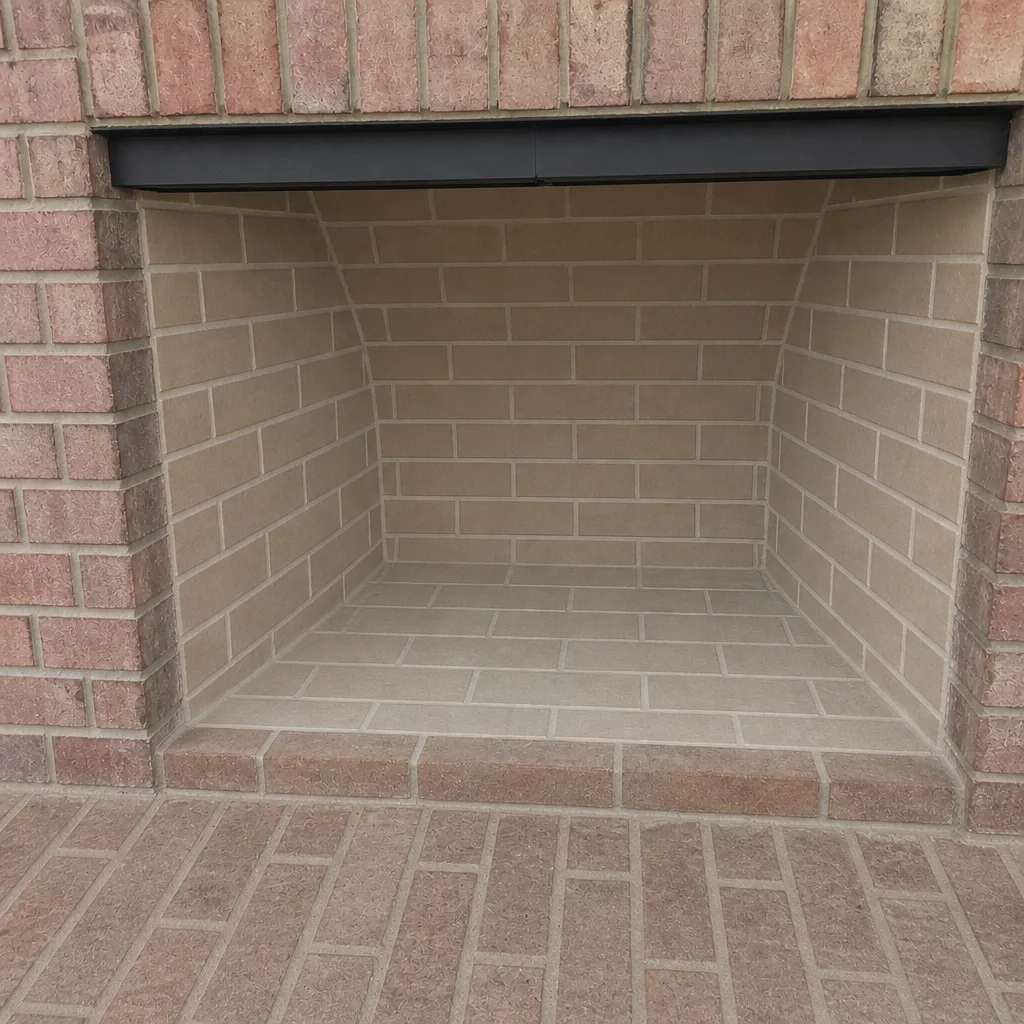 After