
Last updated November 22, 2026
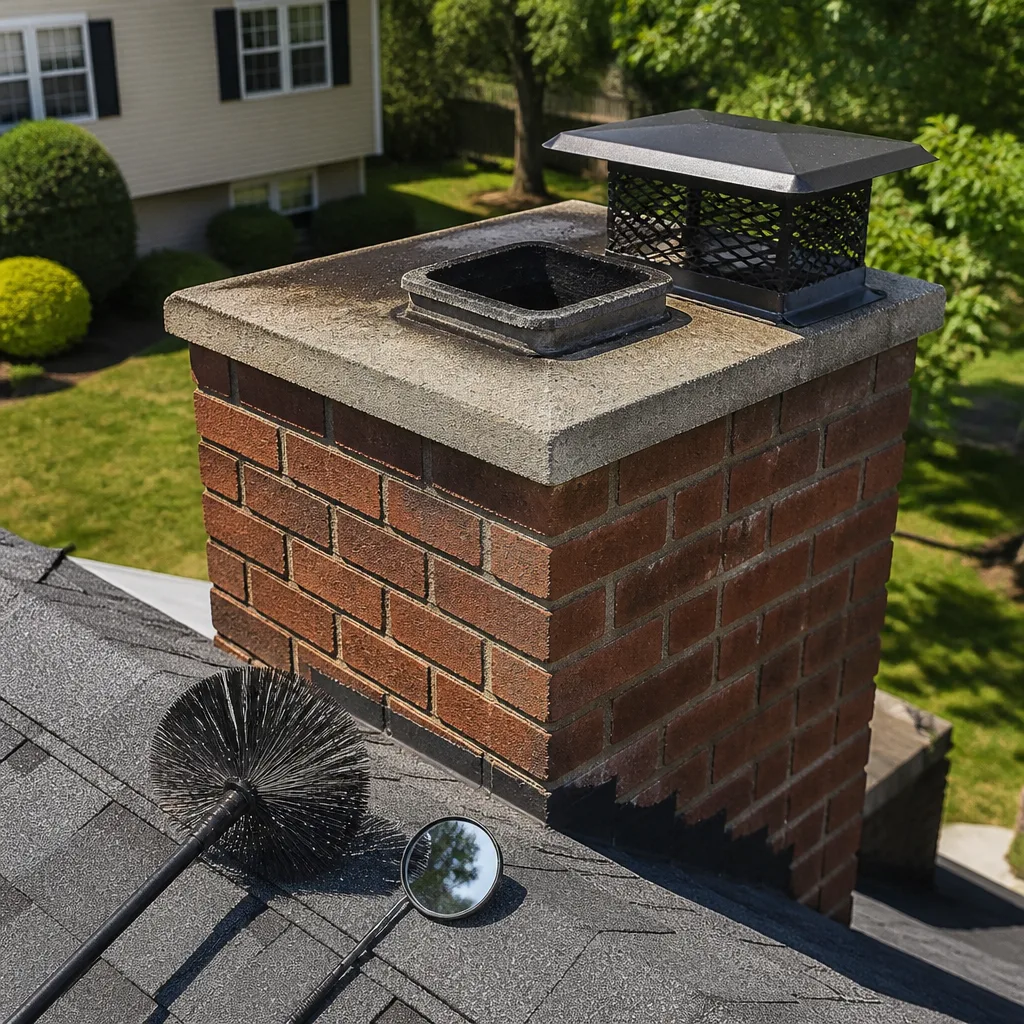 Sweep & inspection
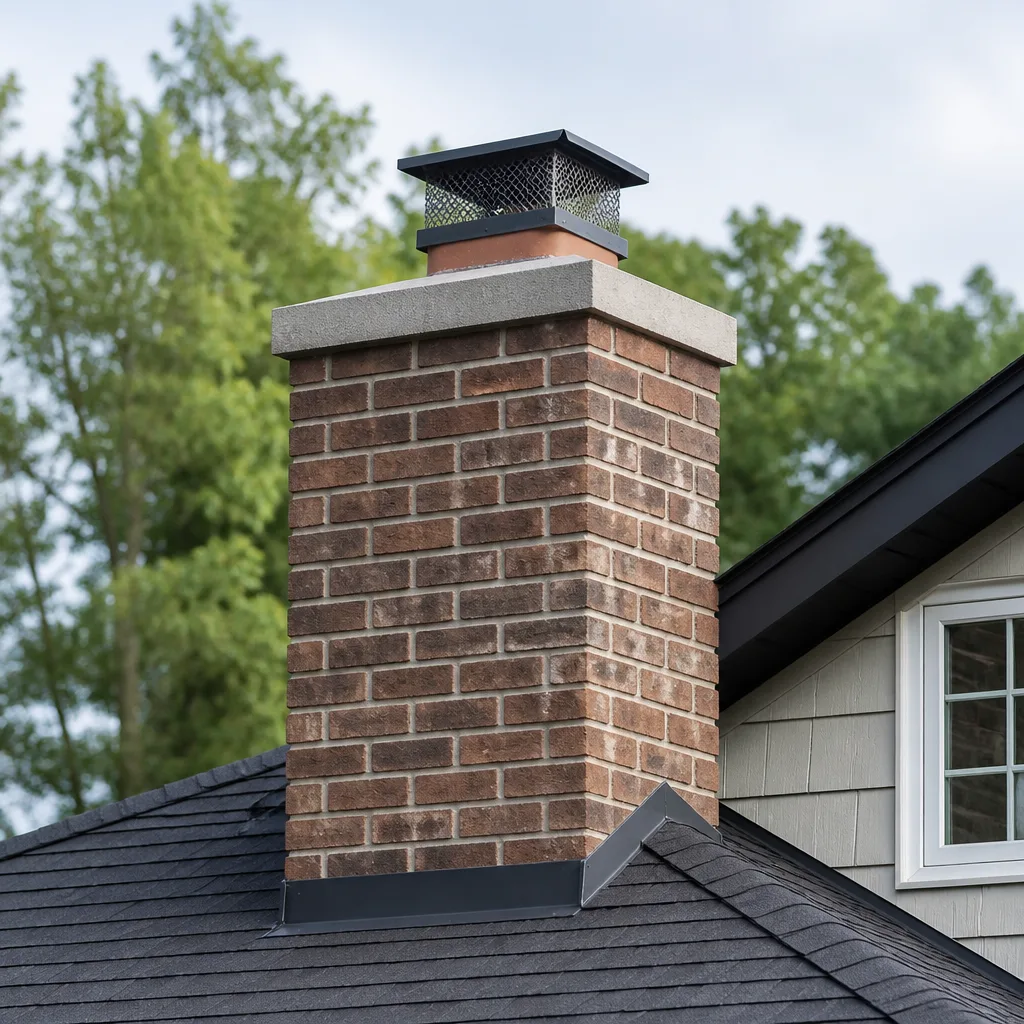 Caps & crowns
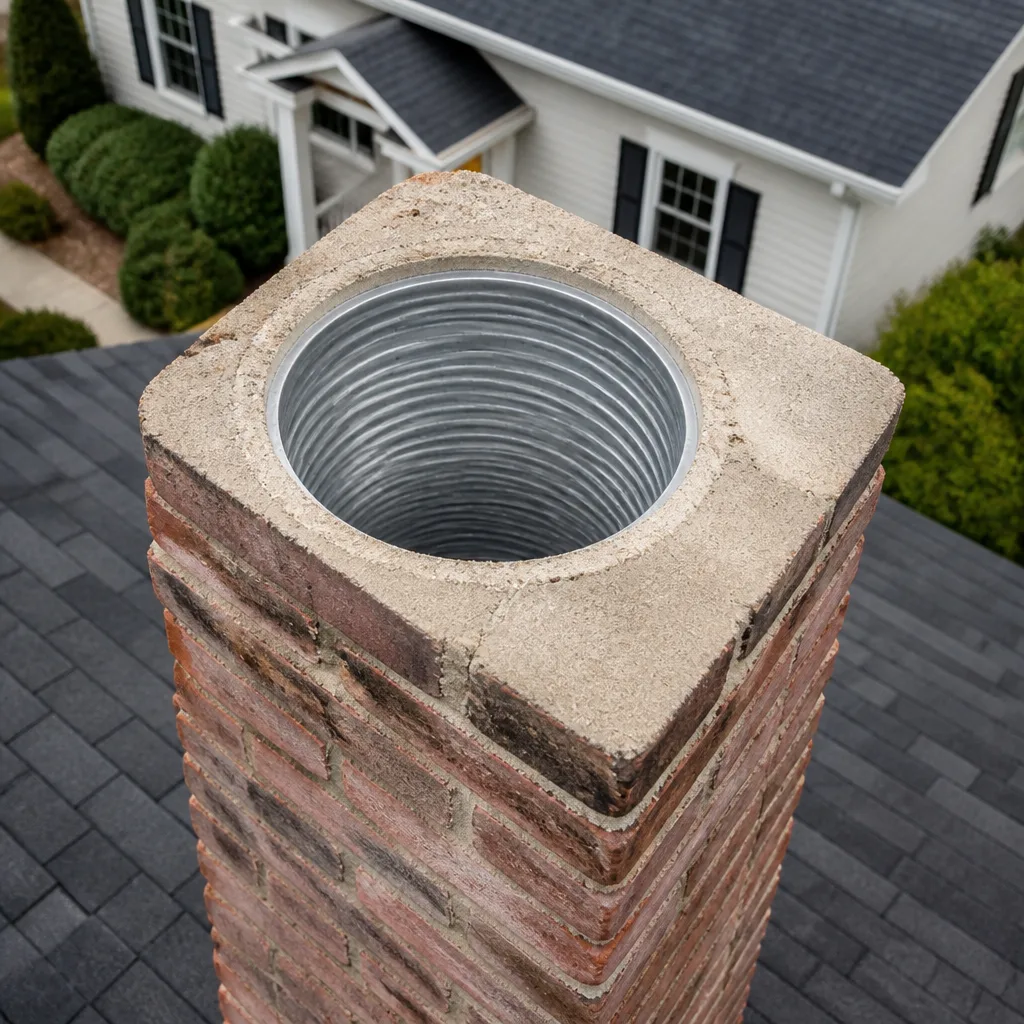 Flue relining
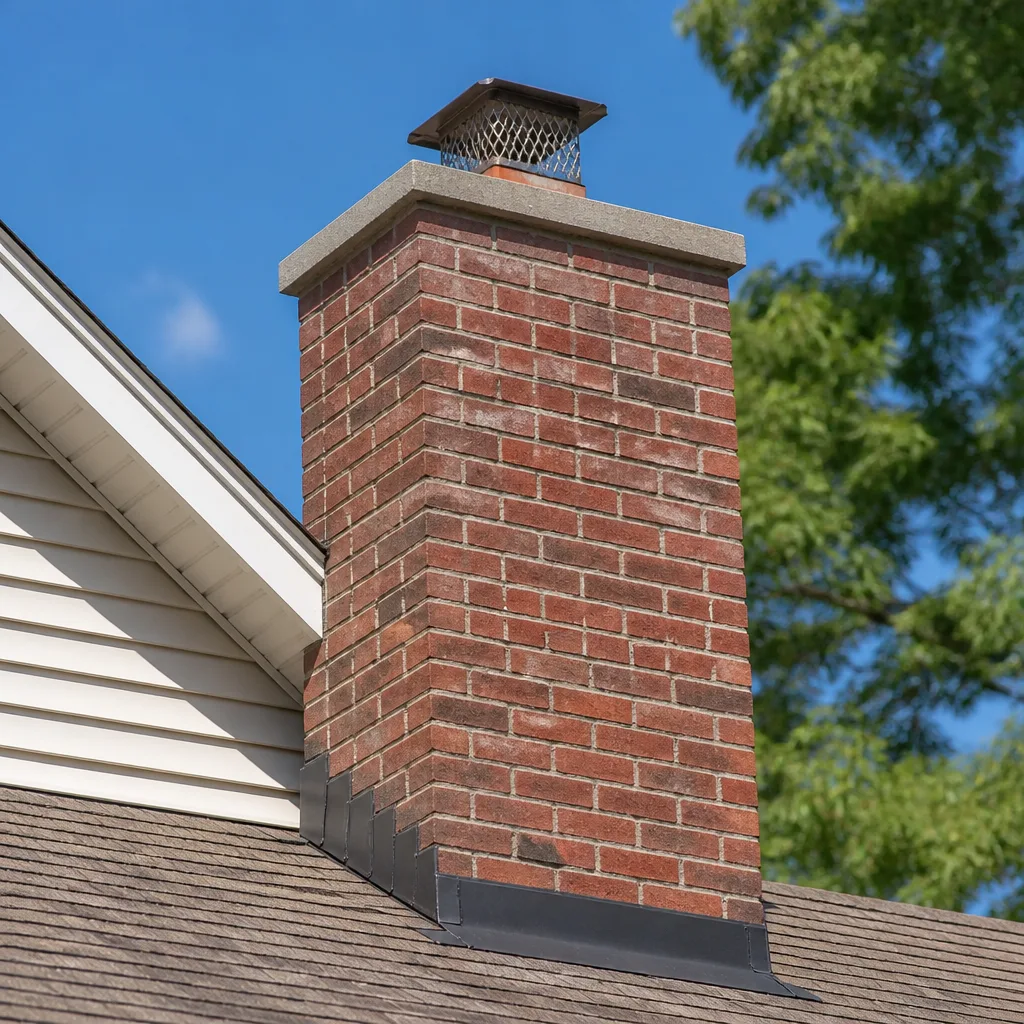 Masonry repair
 Gas fireplace service
Level 1 sweep and inspection to the NFPA 211 annual standard - flue, crown, cap, and flashing checked and photographed
Chimney sweep logs do not sweep chimneys. They loosen some creosote - which then falls where a brush and vacuum still have to collect it.
How to Hire a Chimney Cleaning Contractor in Kingwood: A Step-by-Step Guide
In Texas, there is no state license required to call yourself a chimney sweep. That single fact changes everything about how you should hire one. There’s no state board to check, no license number to look up, and no government exam that keeps a general handyman from printing “chimney cleaning” on the side of a truck after watching a few videos. Which means the burden of vetting falls entirely on you, the homeowner, and most people don’t know what to ask. This guide gives you the specific questions, certifications, and line items that separate a credentialed chimney specialist from someone with a brush and a truck. We’ll walk through verification, interviews, bid comparison, and how to read the report you get back. By the end, you’ll know exactly how to hire a chimney cleaning contractor in Kingwood with confidence.
Quick Answer
To hire a chimney cleaning contractor in Kingwood, verify third-party credentials (CSIA, NFI, or NCSG) directly on the certifying organization’s website, ask five specialist-level interview questions about creosote and liner materials, and compare written bids line by line rather than by the bottom number. Demand a pre-job walkthrough and a post-service report with photos. The lowest quote usually reflects missing scope, not a bargain. If a contractor can’t answer the technical questions in this guide, they’re a generalist, not a chimney specialist.
Styles & brands we work with
- Sweep & inspection
- Caps & crowns
- Flue relining
- Masonry repair
- Gas fireplace service
Table of Contents
- The Three Certifications That Actually Matter
- How to Verify a Contractor in Under Two Minutes
- Five Interview Questions That Reveal a Specialist
- Why the Lowest Quote in Kingwood Usually Means Missing Scope
- What a Legitimate Pre-Job Walkthrough Looks Like
- How to Read a Post-Service Report
- How Often Kingwood Chimneys Need Attention
- Common Mistakes to Avoid
The Three Certifications That Actually Matter
Three credentials carry real weight in the chimney trade: CSIA (Chimney Safety Institute of America), NFI (National Fireplace Institute), and NCSG (National Chimney Sweep Guild). Each means something different, and knowing which applies to your job tells you whether the contractor is qualified for the work in front of them.
CSIA is the core certification for chimney sweeps and inspectors. It requires passing a proctored exam on codes, venting, and combustion science, and it requires continuing education to stay current. If someone is sweeping and inspecting your flue, CSIA is the baseline credential to look for. NFI is the certification that matters for gas and wood appliance installation and service. If your job involves a fireplace insert, a gas log set, or anything touching the appliance itself, an NFI-certified technician is the one you want. NCSG is a trade membership organization rather than an individual certification, but membership signals a company that invests in industry standards and ongoing training.
What none of these are: proof of insurance, a state license, or a guarantee of good work. They’re a starting filter. In a metro as large as Houston, where chimney cleaning gets folded into general handyman services, a contractor with any one of these three credentials has already separated themselves from the majority of the market. For a deeper explanation of what happens during the service itself, see our guide to a chimney sweep.
What about insurance and bonding?
Ask for a certificate of insurance before any work starts. A legitimate chimney contractor carries general liability coverage, and many carry workers’ compensation as well. If a contractor can’t produce a certificate, or tells you they’re “covered under the homeowner’s policy,” that’s a hard stop. When a ladder goes through a gutter or a technician gets hurt on your roof, the paperwork determines who pays, and you don’t want that answer to be you.
How to Verify a Contractor in Under Two Minutes
You can confirm any chimney credential directly on the certifying organization’s website without calling the contractor. Here’s the exact sequence, and it takes less time than reading a review page.
- Get the claim in writing. Ask the contractor to text or email you their certification name, certifying body, and the name the certification is registered under. A real credential holder knows this off the top of their head.
- Search the certifying body’s public directory. CSIA, NFI, and NCSG all maintain searchable public listings. Type in the name and see if it comes back with an active status.
- Check the expiration date. Credentials lapse. An expired certification means the continuing education wasn’t maintained, which tells you something about how the contractor runs the business.
- Match the name on the certificate to the business. If the individual certified is not affiliated with the company quoting your job, ask who will actually be on-site.
We’ve seen Kingwood homeowners skip this step because the contractor seemed knowledgeable on the phone. Knowledge and credentials aren’t the same thing in a trade with no state licensing. A two-minute lookup replaces a whole lot of guessing.
Five Interview Questions That Reveal a Specialist
These questions are designed so that a generalist can’t fake their way through them. Ask them on the phone before you book. The answers you get will tell you more than any website.
1. “What creosote classification did you find, and what’s the treatment for each stage?” Creosote builds up in recognizable stages: a light soot that brushes clean, a flaky crust that needs more mechanical work, and a hardened, glazed layer that can require chemical treatment or even liner replacement. A specialist will talk about the stages with ease. A generalist will say “it just needs a good brushing” regardless of what’s actually in the flue.
2. “What liner materials do you work with, and why would you choose one over another?” The answer should involve stainless steel flexible liners versus rigid sections, insulation requirements, and how the flue’s condition drives the choice. A specialist will name specific product families and explain the fit. We work with DuraFlex flexible liner systems for complex flue configurations and HeatShield for resurfacing damaged liners where a full replacement isn’t necessary. Listen for that kind of specifics.
3. “How do you diagnose a draft problem?” Weak draft shows up as smoke rollback, a fireplace that’s hard to start, or a cold room near the hearth. A specialist talks about pressure testing, flue sizing relative to the firebox opening, and checking the appliance connection. A generalist will shrug and suggest you open a window.
4. “What’s in the inspection report, and can I see a sample?” The answer should mention photos, checklist items, and documented findings. Any contractor hesitant to show a sample report is telling you the report doesn’t exist in a meaningful form.
5. “What won’t you do yourself, and who do you bring in?” A specialist with full-scope capability handles sweeping, inspection, caps and crowns, fireplace work, and structural repair without handing you off. A generalist will list three subcontractors. Ask directly.
Why the Lowest Quote in Kingwood Usually Means Missing Scope
The lowest bid in a chimney project almost always reflects a gap in scope, not efficiency. Chimney work breaks into discrete line items, and a quote that leaves some out looks cheaper until the technician is already on your roof and tells you the extra work is needed.
Here’s what to compare across bids, line by line:
- Sweep scope: Is it one flue or all flues? A two-flue chimney swept as one is half a job. Confirm what’s included.
- Inspection level: Is the bid for a basic visual check or a full inspection with a camera? The difference matters for anything you can’t see.
- Cap and crown: Is a cap included in the quote, or is it an upsell added on-site? Crown condition should be assessed and noted in the report.
- Liner assessment: Does the bid state whether the flue was evaluated for liner integrity? A quote that doesn’t mention it is not a complete bid.
- Debris disposal and cleanup: Confirmed in writing, or assumed?
- Photo documentation: Included, or an extra charge? Photos are non-negotiable for insurance and resale purposes.
When you stack two bids side by side with these six line items visible, the “cheaper” one usually isn’t. It’s missing a camera inspection, or it sweeps one flue when you have two, or it skips the crown assessment. Compare bids by what they cover, not by what they cost. A written estimate always sets the final price, so no surprise add-ons should appear later. For pricing structure and what a chimney sweep typically includes, our Chimney Sweep Kingwood overview page is a good starting reference.
What a Legitimate Pre-Job Walkthrough Looks Like
A real chimney contractor walks your system before touching a brush. If the technician shows up, climbs the ladder, and starts sweeping without a look at the firebox, the damper, and the inside of the flue, that’s your signal to slow the job down and ask what’s being inspected.
A proper walkthrough covers:
- Firebox and damper: Visual inspection of firebox condition, refractory panels, and whether the damper operates cleanly.
- Flue interior: Camera inspection to look for cracks, gaps, creosote deposits, and the condition of the liner joints.
- Chimney exterior: Cap security, crown condition, flashing, and masonry at the roofline for signs of wear.
- Appliance connection: Where the appliance connects to the flue, including the connector pipe for wood stoves and inserts.
- Draft test: The system is checked under real draft conditions, not just at the surface.
When the walkthrough finds something, the contractor talks you through it with evidence: photos, an explanation of what it is, and what it means. Our full chimney sweep service is built around this assessment-first approach because the alternative, sweeping blind and hoping, is how voids go undetected for years. If the assessment turns up a damaged liner, the conversation shifts to repair options rather than the sweep. If it turns up a loose cap or a cracked crown, those are add-ons we address in the same visit. The chimney cap & crown work we do is a direct extension of what the walkthrough finds, not a separate project with a separate contractor.
How to Read a Post-Service Report
A useful post-service report tells you what was found, what was done, and what happens next. It should be usable for insurance claims, resale disclosure, and future work, which means it can’t be a one-line invoice saying “swept and cleaned.”
Here’s what a report should include:
- Photo documentation of the flue interior before and after the sweep, plus the exterior cap, crown, and masonry. If photos aren’t included, ask why.
- A findings section that names what was inspected and what condition it was in, item by item. “Good” is not a finding. “No visible cracks, light creosote stage two” is.
- Documented stage of creosote buildup, which determines when the next sweep is due.
- Recommendations with urgency levels, separated into “address now” and “monitor over time.” Honest contractors distinguish between them.
- Liner evaluation results, even if the liner is in good condition. The report should confirm it was inspected, not omit it.
If you’re selling a Kingwood home, this report is what makes the chimney question on the disclosure form answerable. If you’re making an insurance claim after a chimney fire or a covered event, the photo documentation and findings are what the adjuster will want. Ask to see the report at completion. If it’s missing any of the above, request an updated version before you pay. Our fireplace repair work starts from the same documented baseline.
How Often Kingwood Chimneys Need Attention
Sweep frequency depends on how much wood you burn, not the calendar. A household burning a cord of wood a year typically needs a sweep annually; a fireplace used a few times a season can go longer. What matters is the creosote stage found at inspection, not a fixed schedule.
Kingwood’s mild winters change the picture in one important way: burn habits are more intermittent than in colder climates, so creosote can accumulate slowly across several shorter seasons. Intermittent burning with a cold flue also produces more incomplete combustion, which is the condition most likely to deposit unburned material. That’s why an annual inspection during the off-season, before the fall burn starts, is a better anchor than waiting for a chimney to show obvious signs. A cap and crown check in the same visit saves a second call and catches flashing or masonry wear before it gets expensive. Talk to your contractor about a schedule keyed to your actual burn rate.
Common Mistakes to Avoid
- Hiring the cheapest quote without reading the scope. The lower number usually means a shorter work order. Compare line items, not totals.
- Skipping the certification check. A contractor’s confidence on the phone is not verification. Two minutes on the CSIA, NFI, or NCSG directory is.
- Letting the technician start without a walkthrough. If no one has looked inside the flue, no one knows what’s there. Ask to see the camera inspection before the sweeping begins.
- Accepting a verbal report. “It looked fine up there” doesn’t help you with insurance or resale. Require photo documentation.
- Assuming a generalist is a specialist. Chimney work in the Houston metro gets attached to handyman services all the time. Ask the five questions. The answers will make the distinction clear.
- Scheduling a sweep without budgeting for the cap and crown check. These two are the most common sources of water intrusion and masonry damage. Have them assessed in the same visit.
- Waiting for a visible problem. A chimney fire can burn down a flue without visible symptoms inside the house. A documented inspection is the only reliable check.
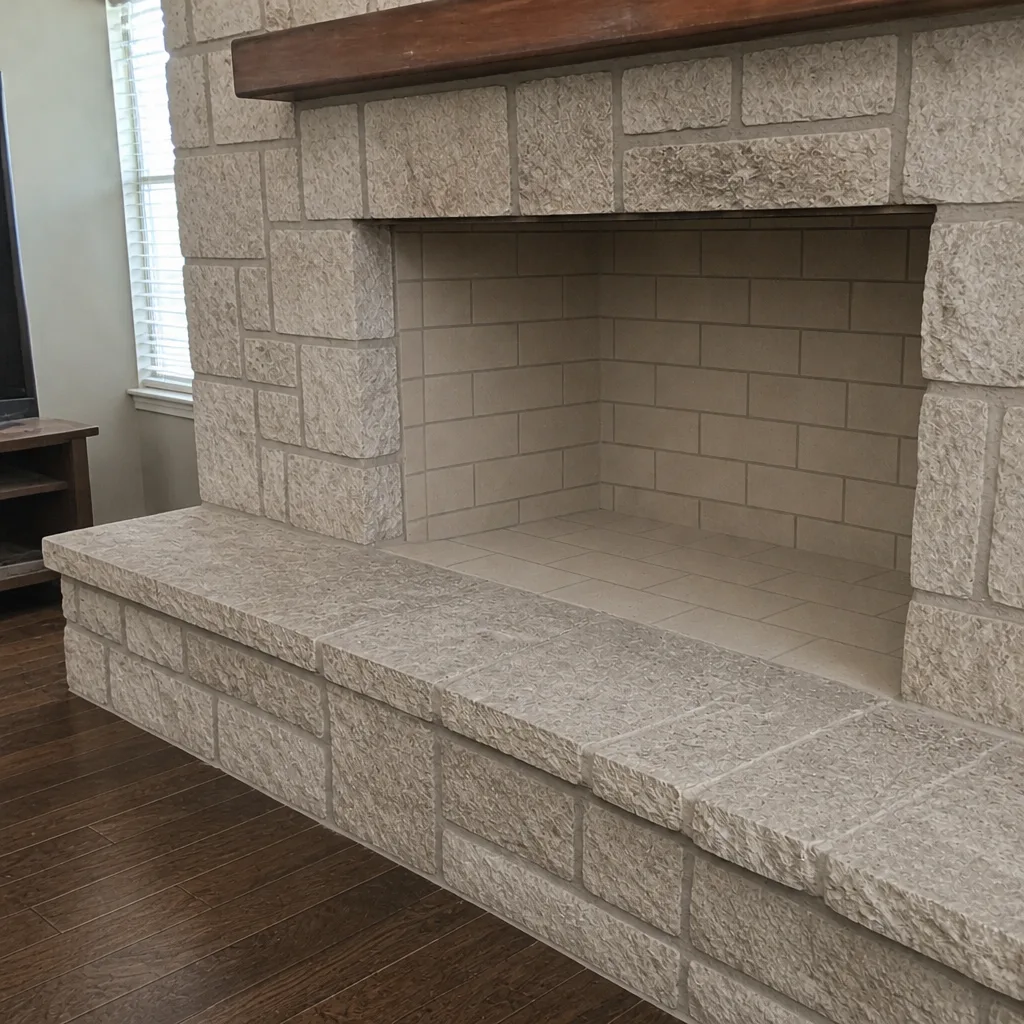
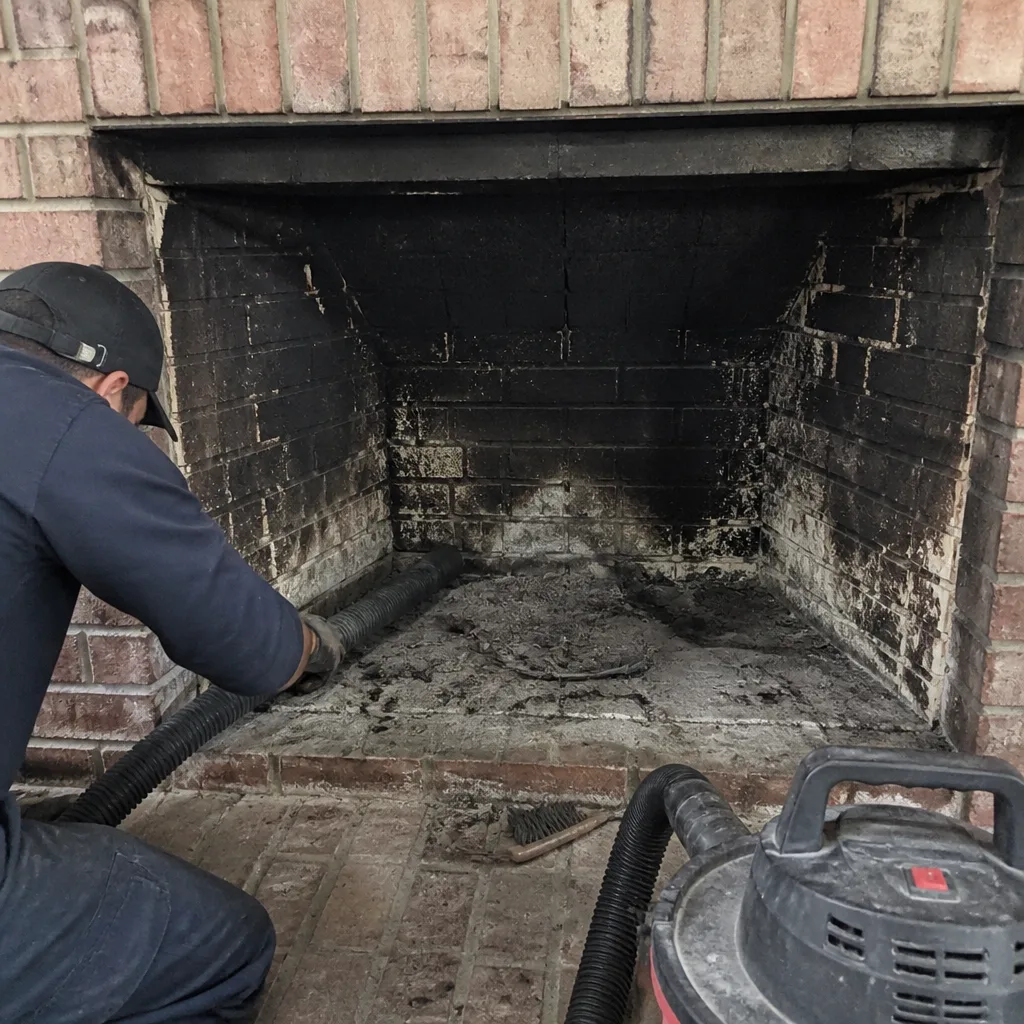
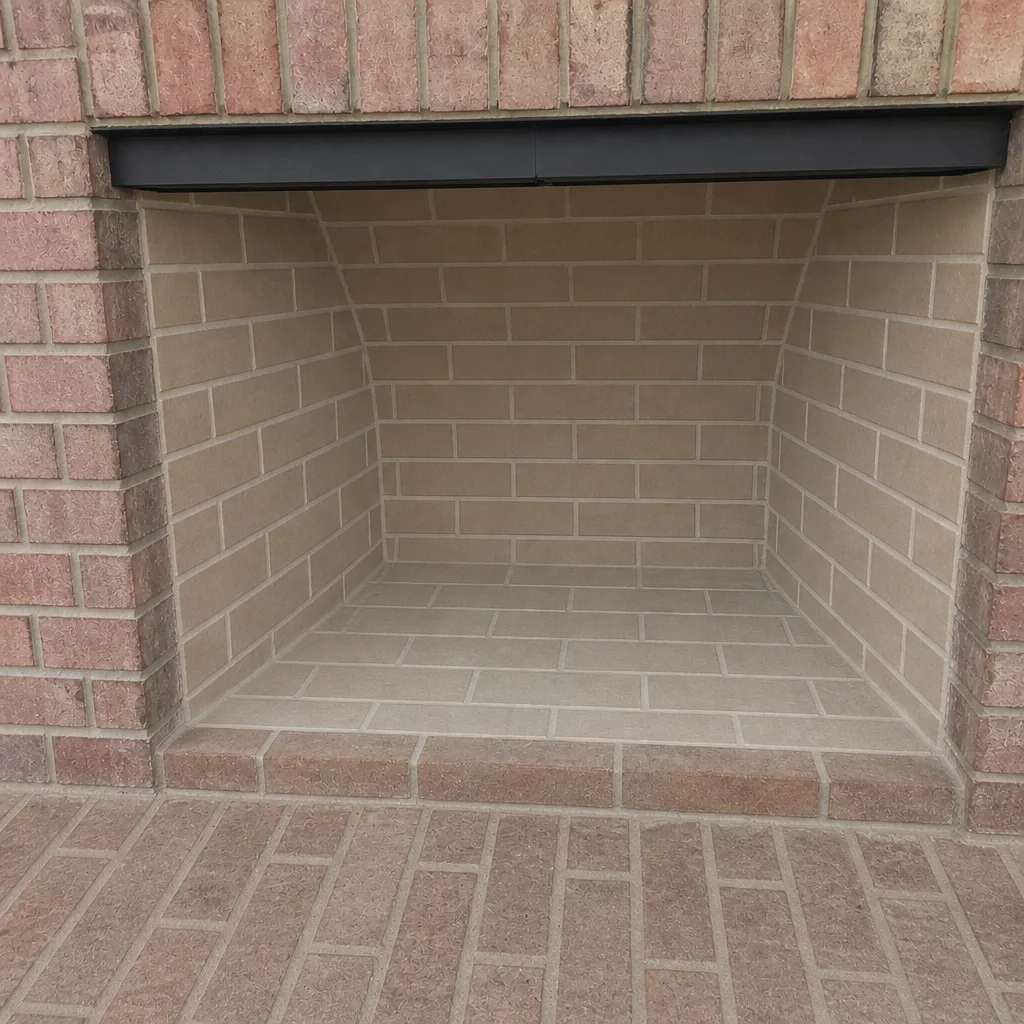
See the difference
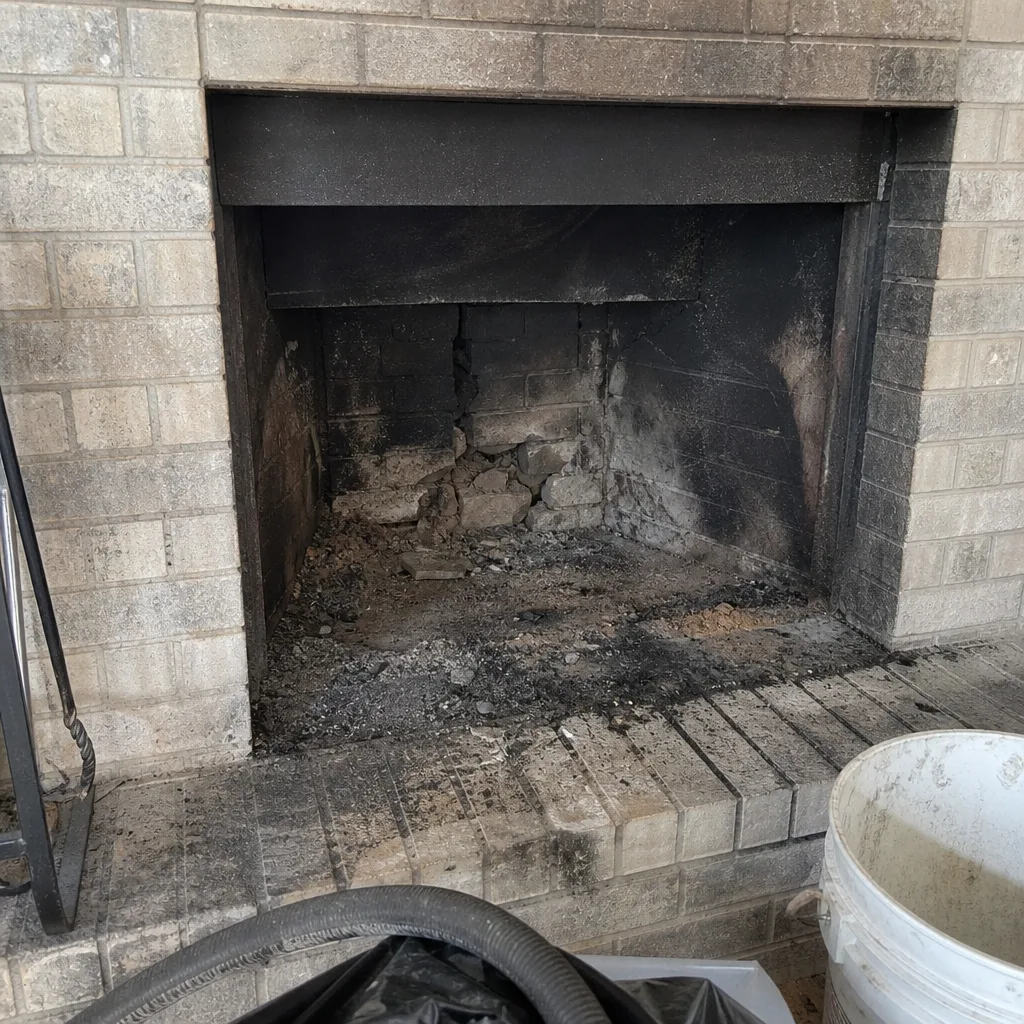 Before
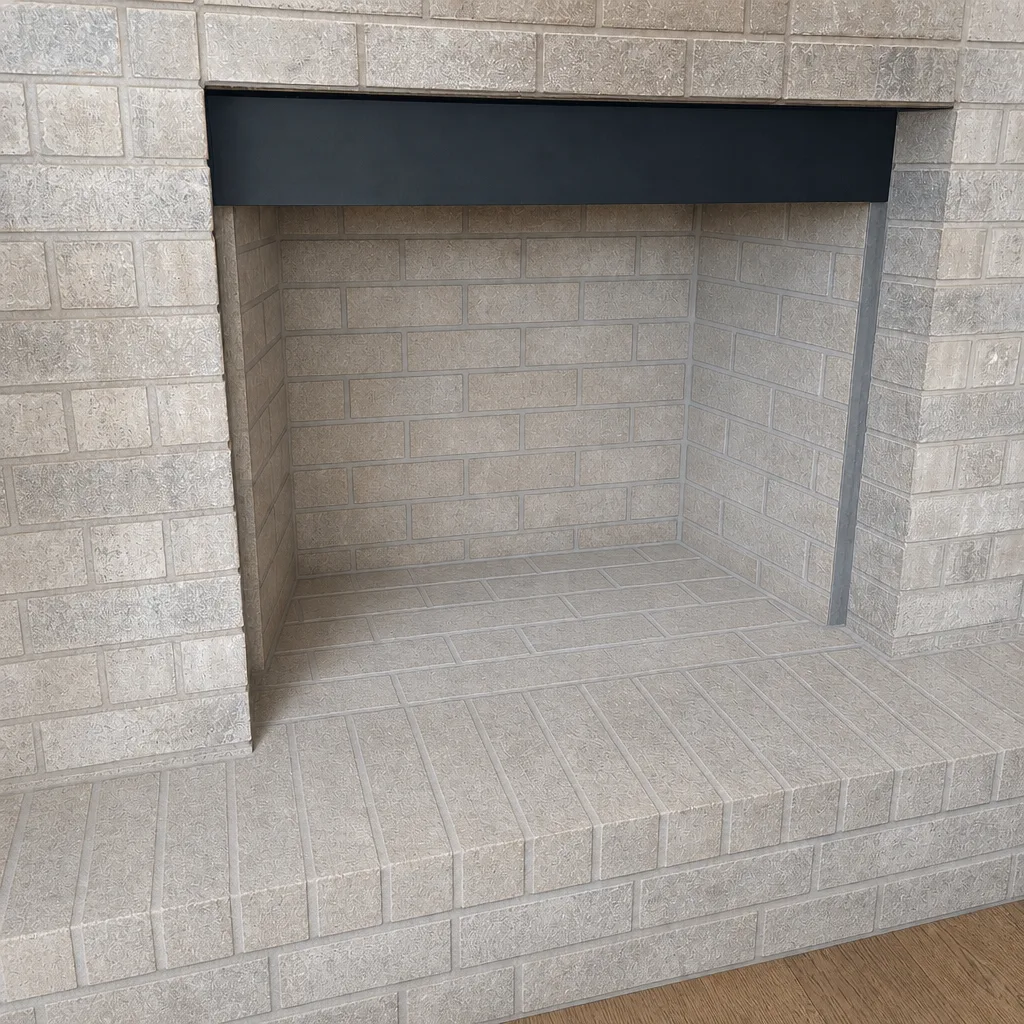 After
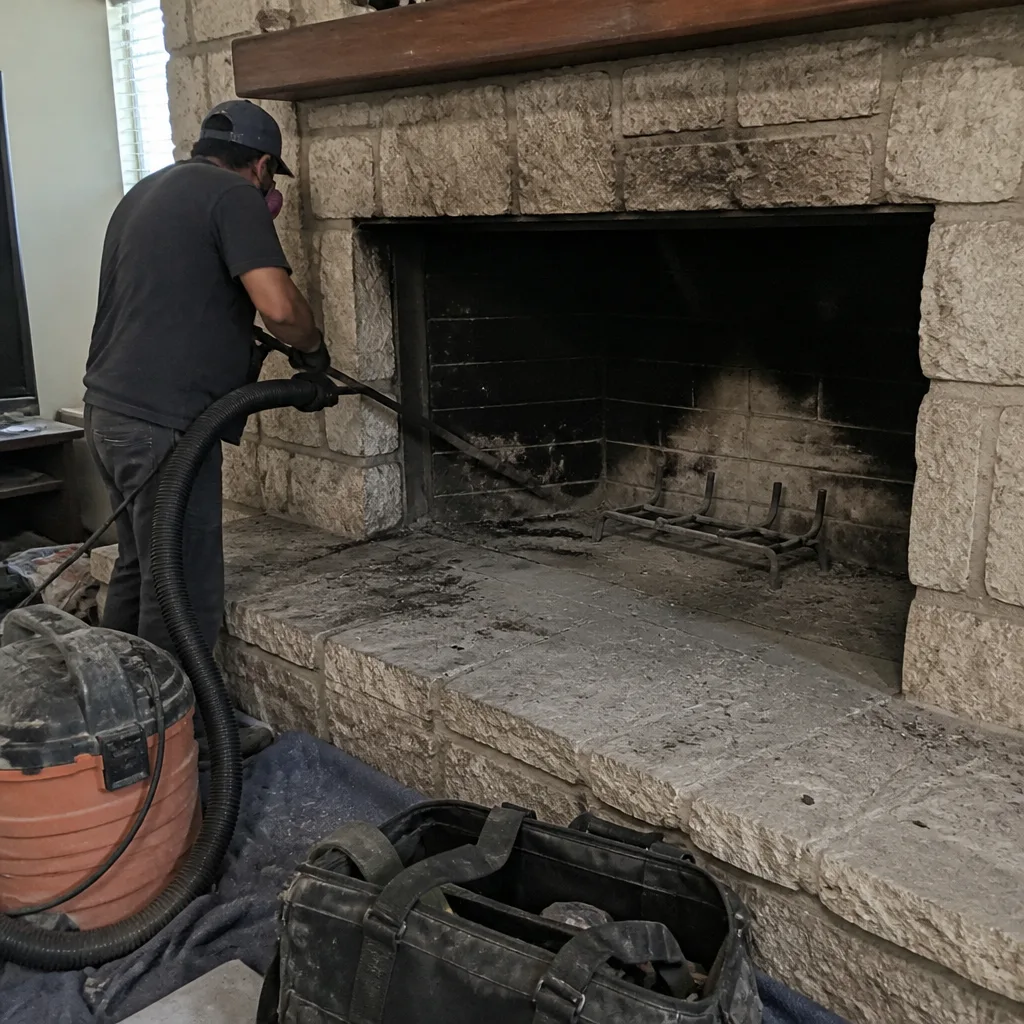 Before
 After
 Before
 After
When to Call a Professional
Call a professional when you smell smoke inside the house with the fireplace going, see staining on the chimney exterior or the ceiling near the hearth, or notice the damper no longer seals. Call when the firebox has visible cracks or missing mortar. Call when you haven’t had the system inspected in a year or more, even if it seems fine. Call before selling a home, and call before the first burn of the season, especially if last year’s wood wasn’t well-seasoned. If you have any reason to suspect a chimney fire has occurred, stop using the fireplace and book an inspection immediately. Our technicians have up to 8 years of experience and work with the materials the industry trusts. Chimney Sweep Kingwood offers free estimates in Kingwood. Call (844) 960-2344. We answer 24/7, with fast dispatch from 7am to 7pm, Sunday through Friday.
Frequently Asked Questions
No. Texas does not require a state license to perform chimney cleaning, so there is no license number to verify. Instead, ask for CSIA, NFI, or NCSG credentials and confirm them on the certifying organization’s public directory. The local pro is also licensed and insured as their state requires, so ask for a certificate of insurance. If you’d like help understanding what to look for, call (844) 960-2344 and we’ll walk you through it.
Chimney cleaning prices vary widely because the scope varies, not because one contractor is overcharging. A bid that sweeps one flue without a camera inspection or a cap assessment is smaller than a bid that does all three, and the cheaper bid looks better until the missing work comes up. Compare bids on line items, not totals. A written estimate always sets the final price. Call (844) 960-2344 for an exact quote. Estimates are free.
A specialist answers technical questions without hedging. Ask what creosote stage they found, what liner materials they work with and why, and how they diagnose a draft problem. A generalist will give you a generic answer (“it just needs brushing”) or change the subject. A specialist talks about DuraFlex or HeatShield by name, explains draft diagnosis, and offers a sample inspection report. If the answers don’t have specifics, keep calling.
A walkthrough covers the firebox, damper, flue interior by camera, chimney exterior at the roofline, appliance connection, and a draft test. If the technician skips this and starts brushing, ask them to stop and do the walkthrough first. No one should sweep a flue they haven’t seen inside. Call (844) 960-2344 to schedule a walkthrough before your first burn of the season.
Photos of the flue before and after, exterior cap and crown documentation, findings item by item, the documented creosote stage, a liner evaluation result, and recommendations separated into “address now” and “monitor over time.” A report with a single line saying “swept and cleaned” is not useful for insurance, resale, or future work. Request an updated report before you pay.
Only a documented inspection can tell you. If the report shows photo evidence of a cracked crown, a loose cap, or a damaged liner, those need attention. If the report shows clean photos with no findings, the system can usually wait for its next scheduled inspection. We don’t recommend work without evidence, and we tell you plainly when a repair can safely wait. Call (844) 960-2344 for a free estimate.
The Bottom Line
Hiring a chimney cleaning contractor in Kingwood comes down to four moves: verify credentials on the certifying body’s website, ask the questions only a specialist can answer, compare bids by line item rather than by total, and demand a documented report with photos. Texas has no state license to lean on, which means your vetting is the safety check. A contractor who does all four of those things is the one who will tell you when work can wait and when it can’t. If a bid doesn’t include a camera inspection or a cap and crown check, it’s not a complete bid. The right contractor is answerable for the whole job, not just the brush.
For help from a team that handles sweeping, inspection, cap and crown, fireplace repair, and structural repair under one roof, call Chimney Sweep Kingwood at (844) 960-2344 for a free estimate. We answer 24/7, with fast dispatch from 7am to 7pm, Sunday through Friday. Tell us what you’re seeing and we’ll tell you what your chimney actually needs.
Written by the team at Chimney Sweep Kingwood.