
Last updated November 22, 2026
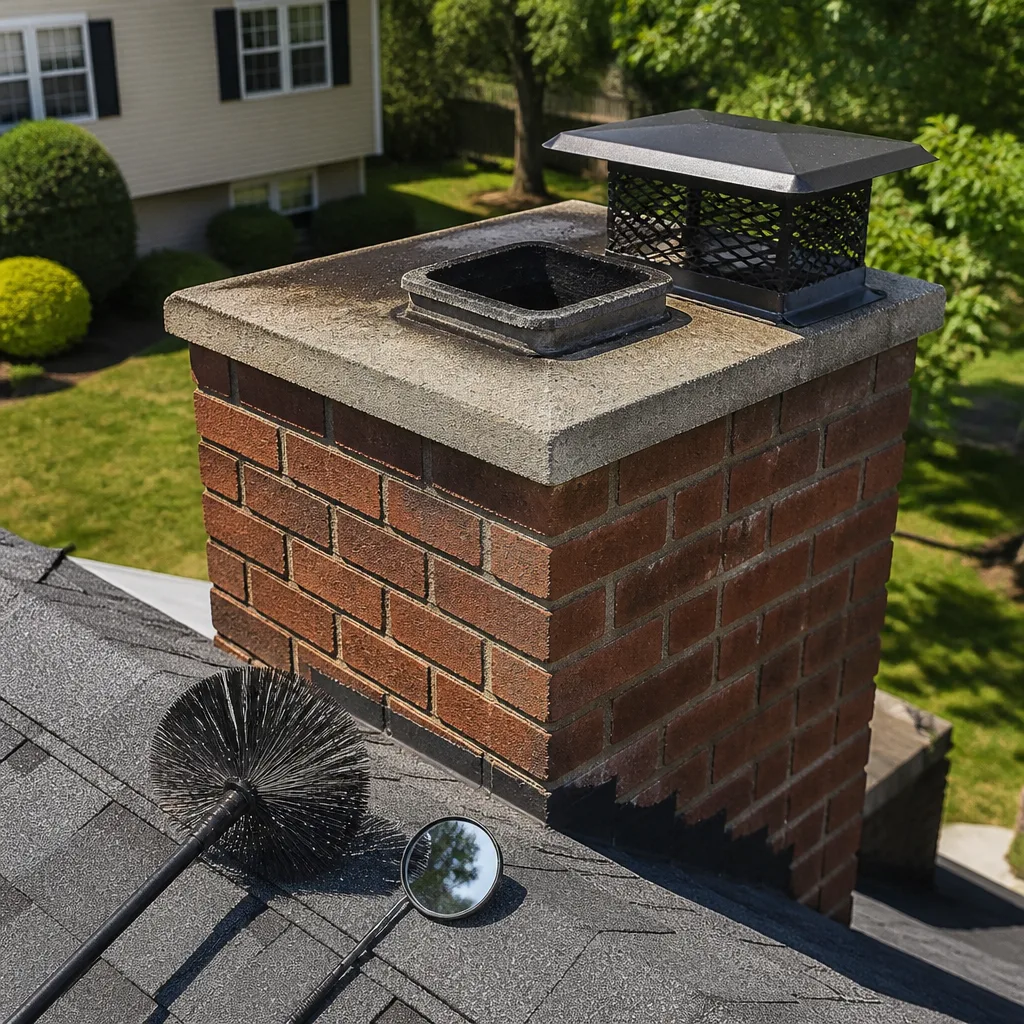 Sweep & inspection
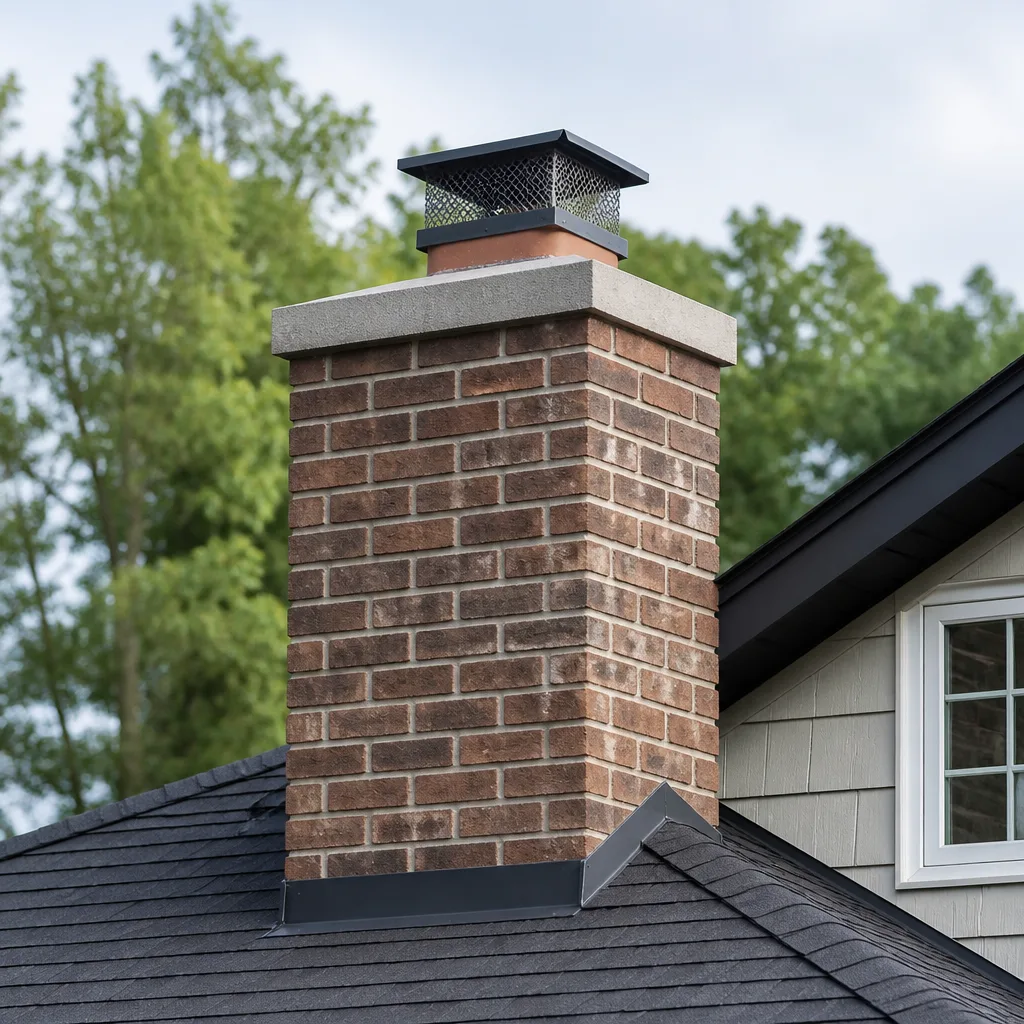 Caps & crowns
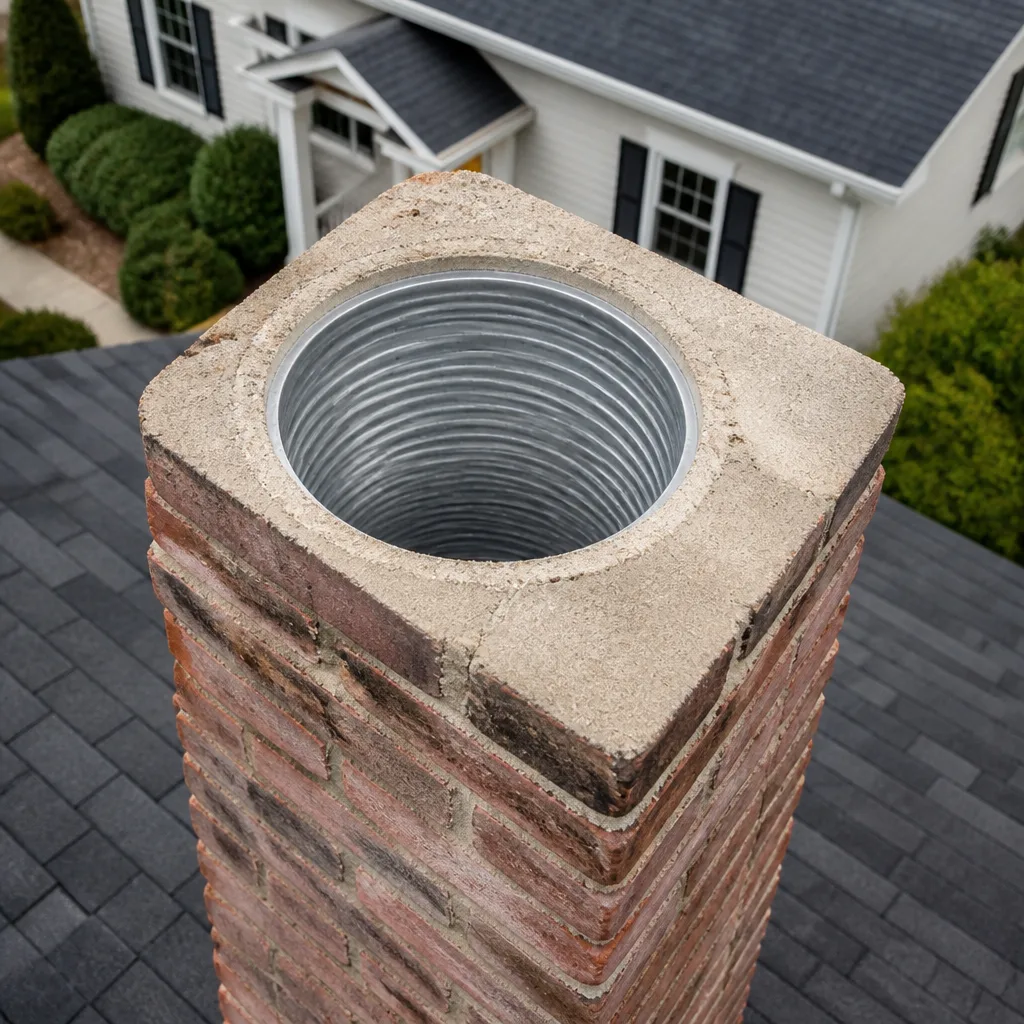 Flue relining
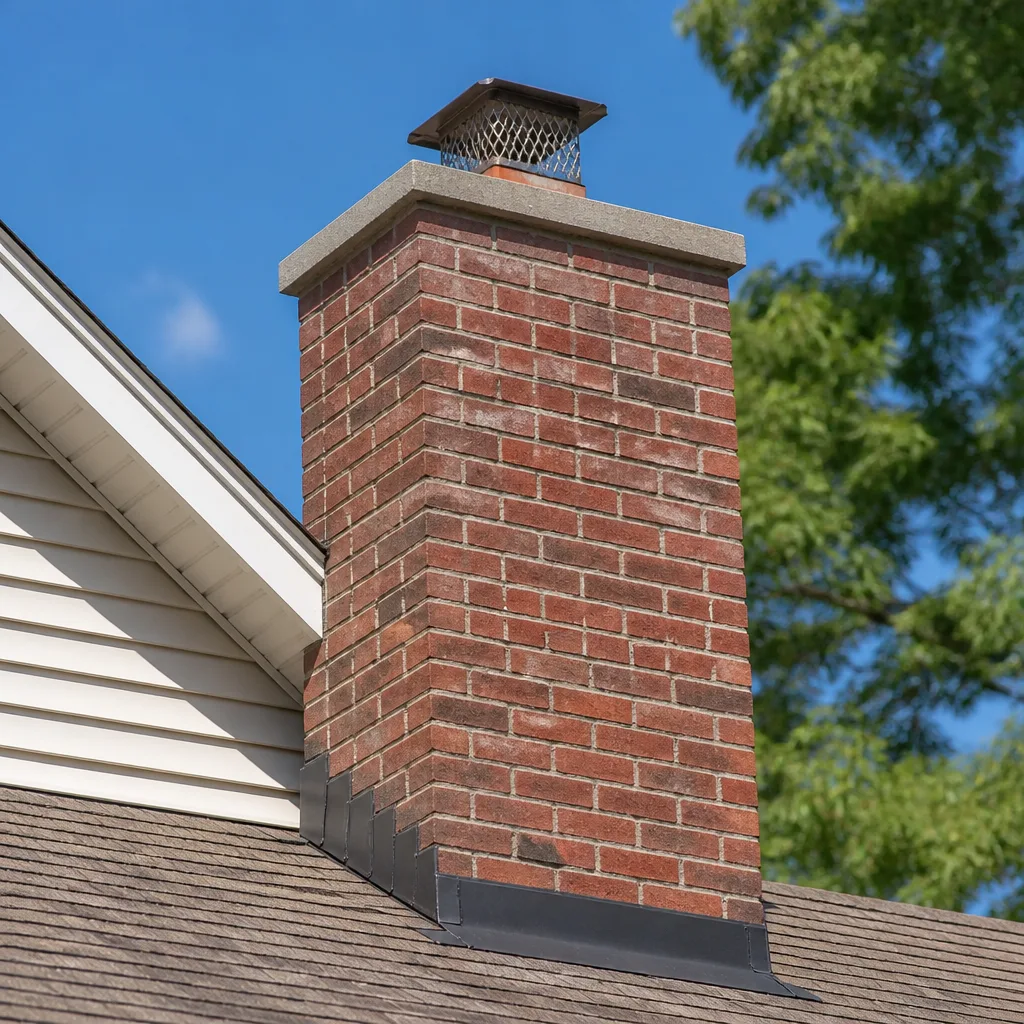 Masonry repair
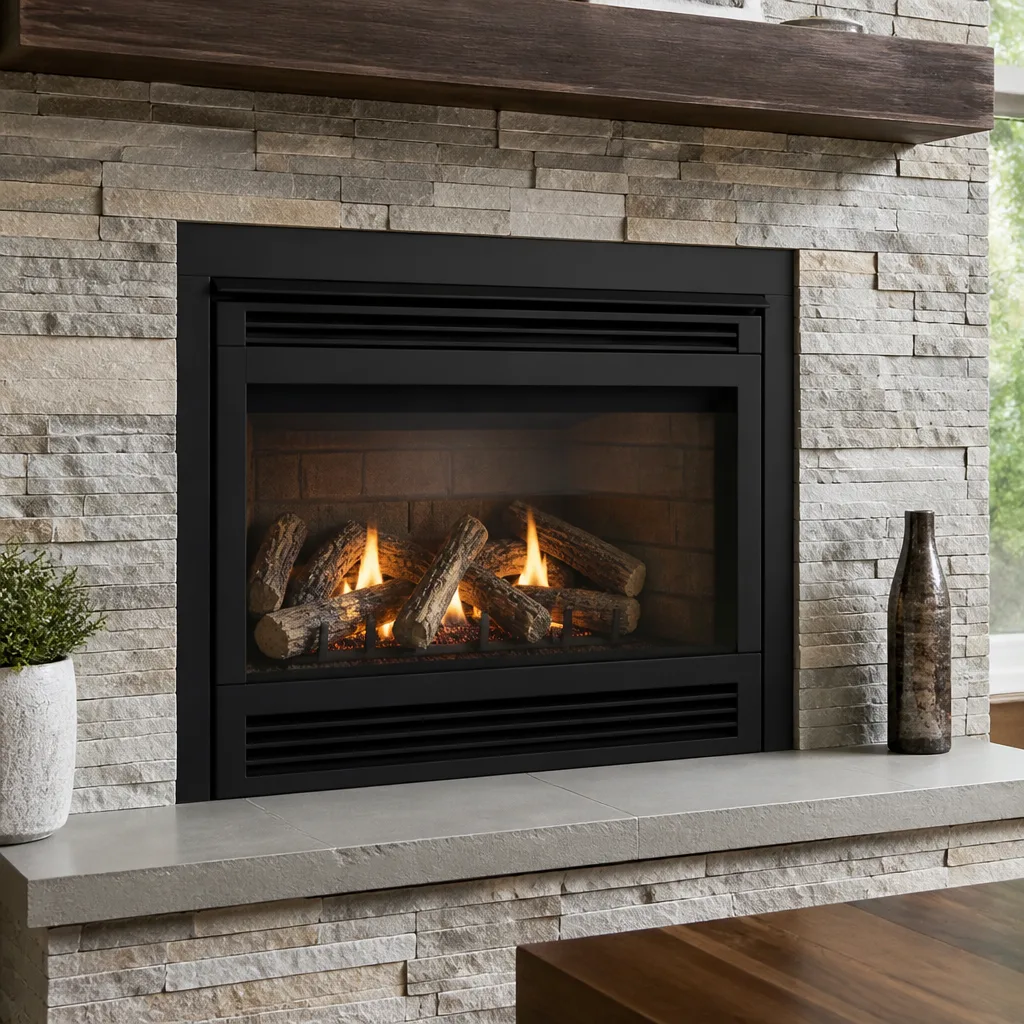 Gas fireplace service
Level 1 sweep and inspection to the NFPA 211 annual standard - flue, crown, cap, and flashing checked and photographed
Chimney sweep logs do not sweep chimneys. They loosen some creosote - which then falls where a brush and vacuum still have to collect it.
Chimney Cleaning Warning Signs: A Kingwood Homeowner’s Reference Guide
A white stain running down the outside of a chimney looks like a cosmetic issue, something a pressure washer could handle. It isn’t. Those chalky deposits are efflorescence, and they mean water is moving through the masonry right now, pulling salts out of the brick and mortar on its way to the surface. Where water goes, it usually leaves damage behind the brick face that you can’t see yet. The same mismatch between what a homeowner sees and what’s actually happening plays out with smoke, smell, and sound all over Kingwood. This guide is built around that gap. We’ll show you how to read each symptom correctly, tell urgent signs from wait-and-watch ones, and describe what you’re seeing in a way that gets an accurate diagnosis rather than a guess.
Quick Answer
The most reliable chimney cleaning warning signs are: a smoky odor in the room even when the fireplace isn’t burning, dark soot or creosote visible on the flue walls above the damper, rust on the damper or firebox metal, smoke rolling back into the room instead of up the flue, and a rough glaze coating inside the chimney. Any one of these means the chimney needs a professional inspection before you light another fire. Efflorescence, spalling brick, and animal sounds point to different problems – water intrusion and blockages – that a sweep alone won’t fix.
Styles & brands we work with
- Sweep & inspection
- Caps & crowns
- Flue relining
- Masonry repair
- Gas fireplace service
Table of Contents
- The Symptom-to-Cause Matrix: Reading Your Chimney Correctly
- Why Kingwood’s Humidity Accelerates Certain Warning Signs
- Draft Problem, Creosote Problem, or Blockage? Telling Them Apart
- Water Warning Signs: Efflorescence, Spalling, and Rust
- What That Smell or Sound Actually Tells You
- Warning Signs That Mean Stop Using the Fireplace
- What to Tell a Chimney Technician When You Call
- What a Proper Inspection Involves
The Symptom-to-Cause Matrix: Reading Your Chimney Correctly
Homeowners tend to read one symptom and jump to one fix. A smoky smell becomes “the chimney needs sweeping,” when it could just as easily be a stuck damper or negative pressure inside the house pulling air down the flue. Getting the cause wrong wastes money and sometimes makes the real problem worse. This matrix maps the most common observable signs in Kingwood homes to their likely sources, so you can describe what you’re seeing with more precision.
| Symptom You Observe | Most Likely Cause | Typical Fix |
|---|---|---|
| Smoke rolls out of the firebox into the room | Draft problem (blocked flue cap, negative pressure, undersized flue) or a heavy creosote layer narrowing the flue | Inspection first; draft correction or chimney sweep |
| White, chalky staining on exterior masonry | Efflorescence – water migrating through the brick and mortar | Crown, cap, or flashing repair plus masonry treatment |
| Flaking or crumbling brick faces (spalling) | Water saturation behind the masonry surface | Chimney repair; sometimes crown replacement |
| Rust on damper, firebox, or flue components | Moisture intrusion from above or condensation | chimney cap & crown review and liner inspection |
| Persistent smoky or ashy smell with no fire burning | Creosote deposits, negative house pressure, or a downdraft | Sweep and inspection to separate the causes |
| Scratching, fluttering, or chirping sounds from the flue | Birds, squirrels, or raccoons nesting in the chimney | Cap installation and blockage removal |
| Glossy, hardened coating inside the flue | Stage 3 glazed creosote – the most flammable type | Professional removal; do not burn until cleared |
Read the matrix as a starting point, not a diagnosis. The right next step for most entries on that list is a professional inspection, because symptoms overlap more than homeowners expect. Our technicians have up to 8 years of experience reading these signals, and the ones that still surprise people are the ones where two causes stack up: a partially blocked cap combined with a heavy creosote layer, for example, which no single fix resolves. We tell you what your chimney actually needs, and nothing gets recommended without camera evidence or a visible photo report you can review yourself.
Why Kingwood’s Humidity Accelerates Certain Warning Signs
Kingwood sits in a humid subtropical climate where outdoor air holds a lot of moisture for most of the year. That doesn’t change how a chimney works, but it does change which warning signs show up first and how fast. In drier markets, efflorescence and spalling can take years to appear. Here, they show up sooner, and the reason is straightforward. Brick and mortar are porous. In humid air, the masonry absorbs moisture on the outside as readily as it might from a leak at the crown. When that moisture migrates back out, it carries dissolved salts with it, leaving the white crusty bloom we call efflorescence.
Signs that appear faster in a humid climate
- Efflorescence shows up on exterior brick and mortar, often within a season after a small leak begins.
- Rust on dampers and firebox parts develops more quickly because the metal never fully dries between humid spells.
- Biological growth – green algae or dark staining on the chimney exterior – points to persistent dampness that a dry-climate homeowner might never see.
- Musty or earthy odors coming from the firebox when the fireplace is idle usually trace back to moisture held in the flue.
- Damaged crowns fail sooner because standing water on a cracked crown has less chance to dry out completely.
What this means for scheduling
The practical takeaway is that any water-related sign deserves faster attention in Kingwood than it might elsewhere. Efflorescence that would be a “watch it” item in a dry climate is a “schedule it” item here, because the moisture source rarely closes itself. The good news is that most water intrusion at the top of a chimney traces back to the cap or crown, both of which we install as part of a single scope of work. If the liner itself shows rust or failing joints, we can evaluate options like HeatShield ceramic resurfacing, which restores many damaged flues without a full reline. The right liner for your flue depends on its size, condition, and how the chimney is used, and that’s a decision made after looking inside, not before.
Draft Problem, Creosote Problem, or Blockage? Telling Them Apart
Three of the most common chimney complaints, all producing visible smoke indoors, come from three very different sources. A draft problem is about airflow. A creosote problem is about buildup. A blockage is about something physically in the way. They look similar from the sofa, but the fixes are completely different, and mixing them up can lead to expensive work you didn’t need.
How to tell them apart from inside the home
- Watch the smoke at startup. A small roll of smoke that clears in a minute or two is normal while the flue warms. Persistent spillover for the whole burn points to a draft or blockage issue.
- Light a piece of newspaper near the open damper. If the flame and smoke pull strongly upward, the draft is working. If the flame bends downward or the smoke hangs, air is coming down, which points to pressure, blockage, or a restricted flue.
- Check for a smoky smell with no fire burning. A persistent odor when the fireplace is off suggests creosote deposits or negative house pressure more often than a blockage, though animals can cause it too.
- Look at the firebox and damper for soot and glaze. Much soot means a sweep is likely needed. A glazed, tar-like coating on the flue walls means creosote has reached the dangerous stage.
- Listen for sounds. Any scratching, chirping, or fluttering means an animal or debris is in the flue, which is a blockage problem, not a cleaning problem.
What each one calls for
Draft problems usually trace back to negative pressure in the home, an insufficient chimney height, or a restricted cap. Creosote problems need a sweep, sometimes with extra work if the buildup has glazed. Blockages need removal and a cap installed so it doesn’t recur. A professional inspection is what separates them, and that’s why we recommend one before you commit to any work. Scheduling an inspection without sweeping first is often the fastest way to know which category your chimney falls into.
Water Warning Signs: Efflorescence, Spalling, and Rust
Water is the single biggest threat to a chimney’s long-term health, and in Kingwood’s humid climate, it’s also the most common problem we diagnose. The tricky part is that water damage produces several distinct outward signs, and each one points to a different stage and a different repair. Knowing which is which helps you describe the problem accurately when you call.
Efflorescence
A white or gray powder on the exterior brick. This is the earliest visible sign that moisture is moving through the masonry, and it means active damage is likely underway behind the surface. If the efflorescence brushes off but comes back, the moisture source is still present.
Spalling
Flaking and crumbling brick faces. Spalling is a later stage than efflorescence: the water behind the masonry is now strong enough to break the surface apart. Once spalling starts, the brick itself is permanently degraded in the affected area, and repair means replacing brick, not just cleaning it.
Rust on metal components
Rust on the damper, firebox hardware, or flue pipe usually means moisture is entering from above, often through a failed cap, a cracked crown, or a compromised flashing at the roofline. Rust is a warning that the metal parts are failing and the liner behind them may be compromised too.
Staining on interior walls near the chimney
Dark or water-stained patches on drywall near the chimney are easy to mistake for a roofing issue. They’re often the first interior sign of water moving through the chimney chase.
The good news is that most of these problems trace back to the top of the chimney, and that’s exactly where a chimney cap & crown inspection and replacement does the most good. If the flue liner has been affected, we may be able to restore it with HeatShield ceramic resurfacing, or install a flexible liner like DuraFlex for irregular or aged flues. Both are approaches we use because they fit specific conditions, not because they’re the only option we have.
What That Smell or Sound Actually Tells You
Two of the most underrated warning signs are the ones homeowners can’t see: smells and sounds. They’re also the ones most often misread, which is why it’s worth breaking them down carefully. A smell is data. A sound is data. Neither tells you the cause on its own, but both narrow the possibilities fast if you can describe the pattern.
Odors: what each type usually means
- Strong smoky, ashy smell when the fire isn’t burning: creosote deposits on the flue walls are the most likely cause. The smell gets stronger in humid or damp weather.
- Sour, musty, or earthy smell: moisture trapped in the flue or firebox, sometimes accompanied by visible dampness at the damper.
- Garbage or chemical smell: often animal waste or a nest, or in rare cases a dead animal in the flue. Needs removal, not just inspection.
- Smell that appears only when the HVAC runs or a bathroom fan is on: negative house pressure. The exhaust fan is pulling air down the chimney, and the fix is often about the home’s pressure balance, not the chimney itself.
Sounds: what each type usually means
- Scratching or scurrying: a squirrel or raccoon is likely in the flue or firebox.
- Fluttering or chirping: a bird, usually near the top of the flue or on the cap.
- Rattling or scraping on windy days: a loose damper, a damaged cap, or debris moving inside the flue.
Animal activity is one of the leading causes of blocked chimneys, and it’s a blockage problem, not a cleaning problem. That means a sweep won’t solve it, and a cap is what stops it from happening again. If your fireplace has been quiet for a season or two, a call about a sound is worth making before you use it again.
Warning Signs That Mean Stop Using the Fireplace
Some chimney conditions are serious enough that the right answer is to stop using the fireplace until a professional clears it. These aren’t gray areas. If you see any of the following, treat the fireplace as out of service until the chimney is inspected.
- Glazed, tar-like creosote inside the flue. This is the third stage of creosote buildup, and it’s the type that fuels chimney fires. No fire until it’s removed.
- A cracked or damaged flue liner. A breached liner allows heat and gases into the chimney structure, and it can allow carbon monoxide into the home.
- Visible smoke or flame outside the chimney’s normal boundaries. Any sign of fire escaping the firebox or flue is a stop-use condition.
- Carbon monoxide detectors sounding near the fireplace. Carbon monoxide is a product of combustion, and a chimney that isn’t venting correctly can allow it back into the home. Open a window, leave the house, and call for help immediately.
- Crumbling or missing mortar joints visible in the firebox or above the damper. Structural compromise means the chimney can no longer be trusted to contain combustion byproducts.
- Persistent smoke spillover that doesn’t clear. An ongoing draft failure isn’t a nuisance; it’s a sign that the chimney isn’t venting as it’s designed to.
Real estate transactions are another situation where a chimney inspection is often called for. A standalone inspection is available to support a sale, an insurance review, or an annual safety check, and it produces the kind of documentation a buyer, seller, or adjuster can actually use. In Kingwood’s market, where many homes have been through more than one fireplace season, we see more chimneys than we’d like that are quietly out of service but still being used.
What to Tell a Chimney Technician When You Call
The single biggest factor in getting an accurate diagnosis by phone is how you describe what you’re seeing. Vague descriptions like “the fireplace doesn’t work right” force a technician into guesswork, which leads either to an unnecessary sweep or to the wrong work being scheduled. Specific, observable details shorten the path to the right answer.
What to include in your description
- Type of fireplace: wood-burning, gas, insert, or open hearth.
- How often you use it: daily in winter, occasional, or not at all.
- The main symptom in plain words: “smoke rolls into the room during the first ten minutes,” or “there’s a smoky smell when I walk past the fireplace.”
- When it started: after the last burn, after heavy rain, after you noticed animal sounds, or over the past few seasons.
- What you can see: visible soot, glaze, rust, staining, white powder on brick, or flaking brick.
- Whether the smell or smoke appears when the fireplace is off, and whether it changes when the HVAC or bathroom fan runs.
What leads to unnecessary work
Generic descriptions like “the chimney needs cleaning” lead to exactly that – a cleaning, whether or not that’s the actual problem. If your symptoms are really a draft problem, negative pressure, or a blockage, a sweep alone won’t solve it, and you’ll be back on the phone. When we ask questions, we’re trying to figure out whether the fix is a sweep, a repair, or something about the house. We tell you what your chimney actually needs, and nothing gets recommended without the evidence to back it up in front of you.
For fireplace-specific issues – smoke stain on the firebox, a damper that’s stuck, or fireback cracking – that’s a fireplace repair conversation. For flue and structural issues, start with the inspection. Our team covers both in one scope, so you’re not coordinating two contractors on a single chimney.
What a Proper Inspection Involves
An inspection is the diagnostic step. It’s what tells you which of the warning signs you’ve noticed are cosmetic, which are urgent, and which need work scheduled for a future date. It’s also where a homeowner has the most opportunity to verify the recommendation, which is why the process matters as much as the result.
The steps we go through
- Exterior visual assessment. We look at the cap, crown, flashing, brickwork, and mortar from outside the home.
- Interior firebox and damper inspection. Soot, creosote stage, damper function, and firebox condition are documented.
- Flue inspection. We look down the flue from the top, and where needed, use a camera to see the full run of the liner.
- Draft and pressure assessment. We test how the chimney vents and check for signs of negative house pressure.
- Photo report and recommendation. You see what we see, in photos and a written report, before any repair decision is made. Nothing moves to repair without that step.
How the work happens depends on what the inspection shows. If the flue is damaged, we may recommend HeatShield resurfacing, which restores many flues that would otherwise need a full reline, or a flexible liner like DuraFlex for chimneys with offsets or irregular configurations where rigid liners don’t fit. Where a cap or crown is the problem, we install replacements from trusted product lines like Famco and Copperfield. What we don’t do is recommend the most expensive option because it’s easier to sell, and we don’t tell you a repair is urgent if it can safely wait.
For most Kingwood homeowners with a wood-burning fireplace, an annual inspection and sweep before the burning season is the backbone of a safe chimney. From sweep to structural repair, our job is to keep the whole system working and to flag only what actually needs attention. For the full picture of what we offer, see our Chimney Sweep Kingwood page.
Common Mistakes to Avoid
- Assuming white staining is cosmetic. Efflorescence means water is already moving through the masonry, and in Kingwood’s humidity, it usually points to active damage behind the brick. Wait on it, and the repair grows.
- Burning softwood as a shortcut to a cleaner burn. It doesn’t work, and it leaves a heavier creosote layer than properly seasoned hardwood. Stick to dry, well-seasoned wood.
- Assuming a smoky smell means “needs a sweep.” It might be creosote, a stuck damper, or negative house pressure from an exhaust fan. Describe the pattern when you call, so the diagnosis isn’t a guess.
- Ignoring rust on the damper. Rust is a water-intrusion signal, not just an annoyance. The moisture source is almost always at the top of the chimney, and it’s easier to fix early.
- Doing the sweep yourself with a brush kit. A brush works on the flue, but it won’t find a cracked liner, a failing crown, or a blockage in the firebox, which is where most of the real problems start.
- Waiting for animal noises to stop on their own. A nest becomes a blockage, a blockage becomes a draft problem, and draft problems turn into smoke in the house when you least want it.
- Booking one contractor for the sweep, another for the cap, and a third for the repair. The handoffs are where small problems turn into big ones, and nobody wants to own the failure when they happen.
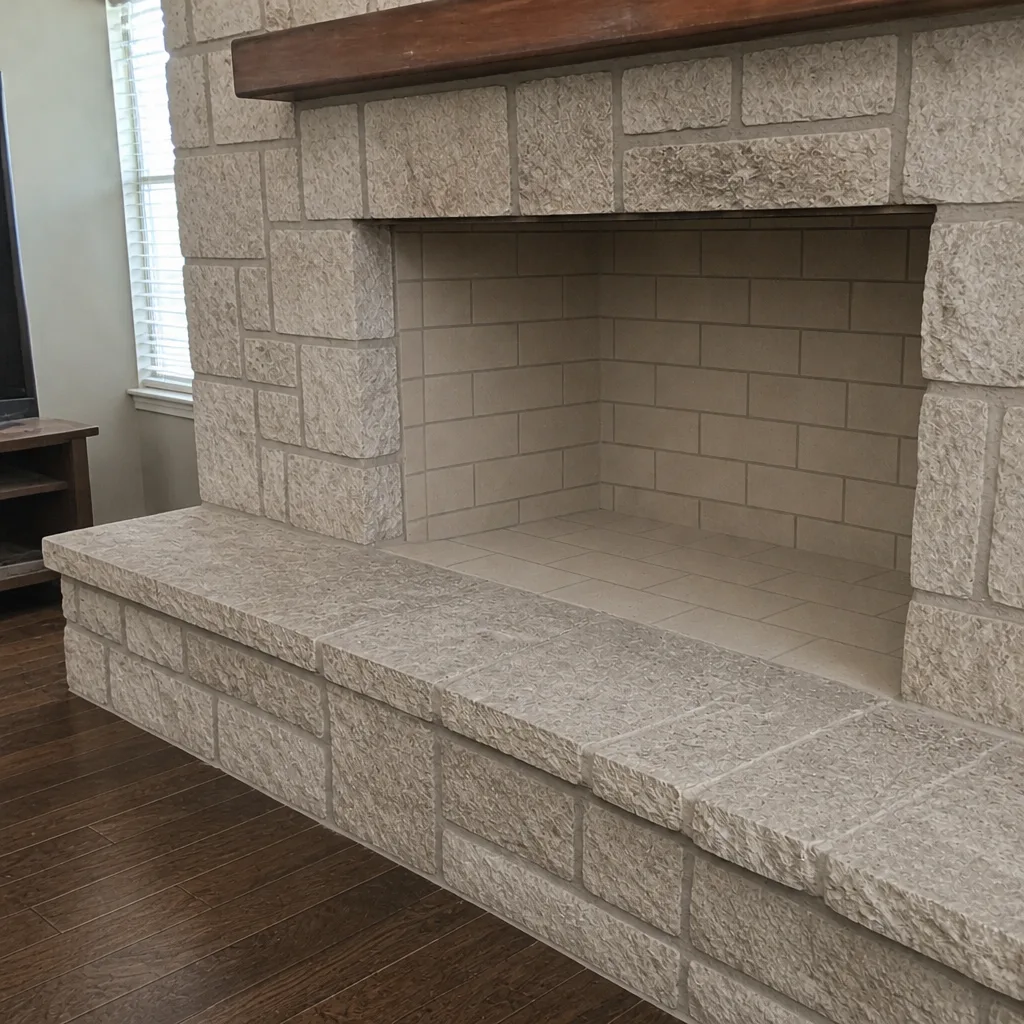
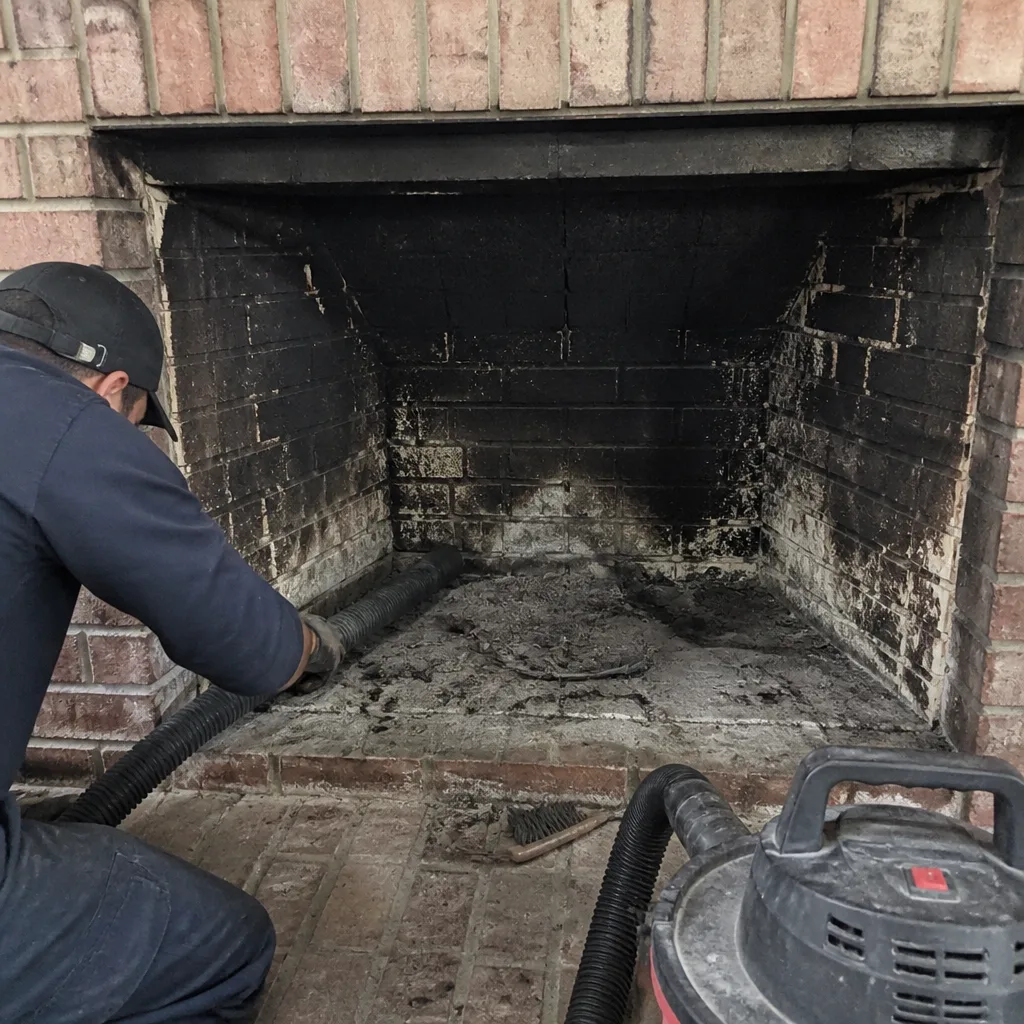
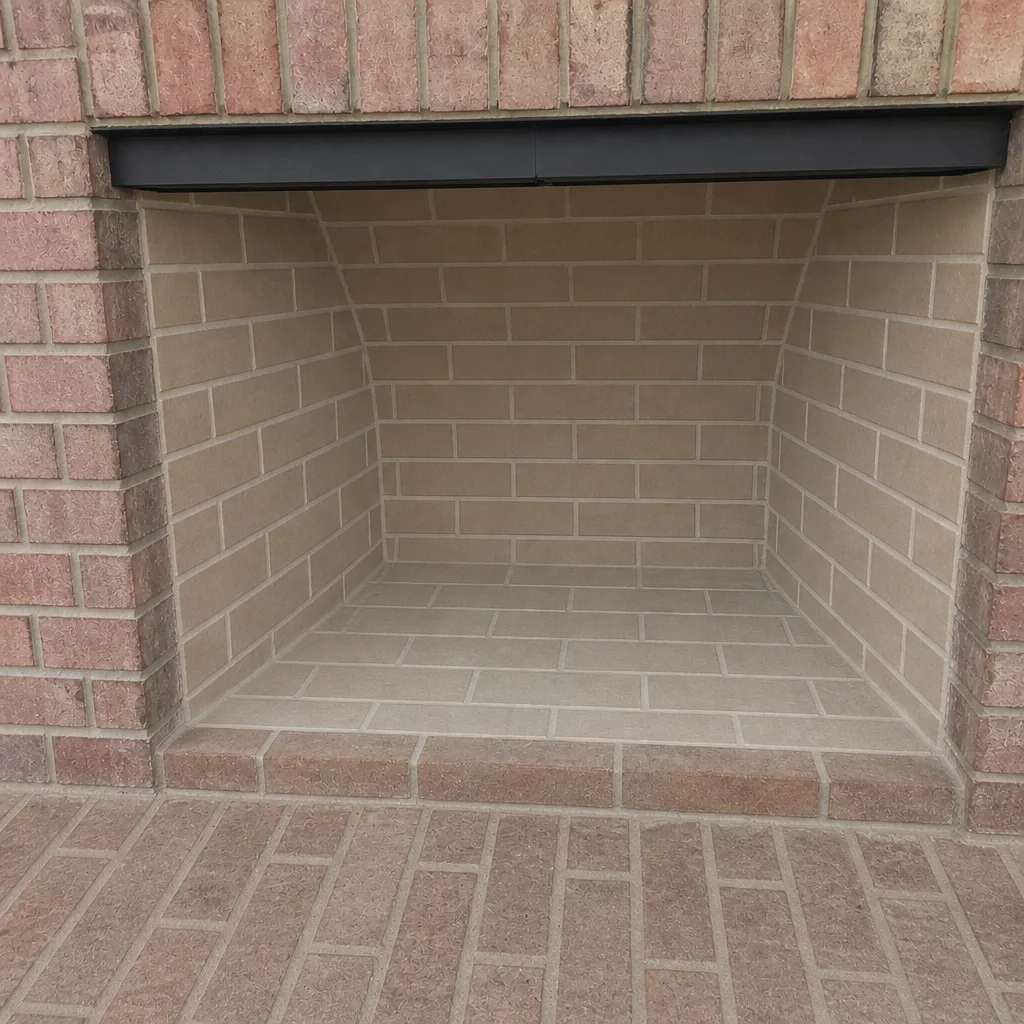
See the difference
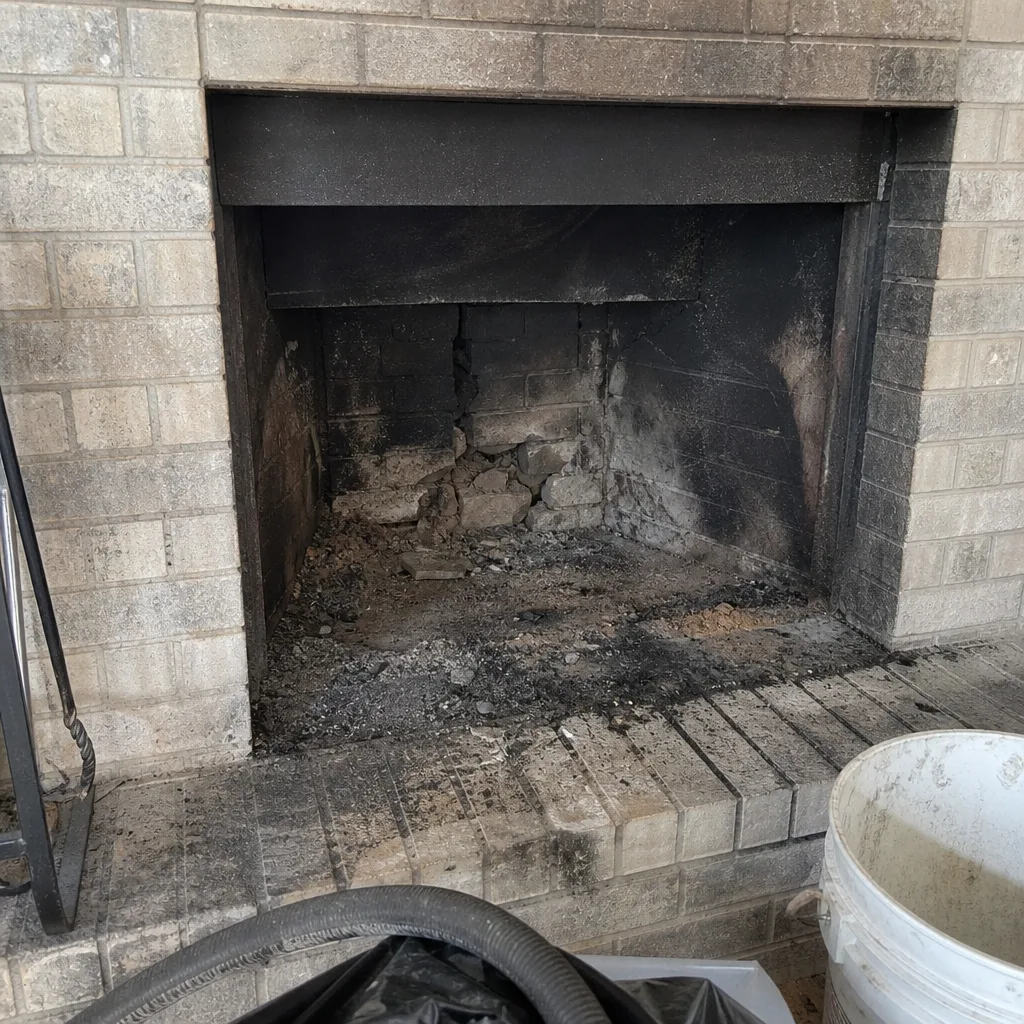 Before
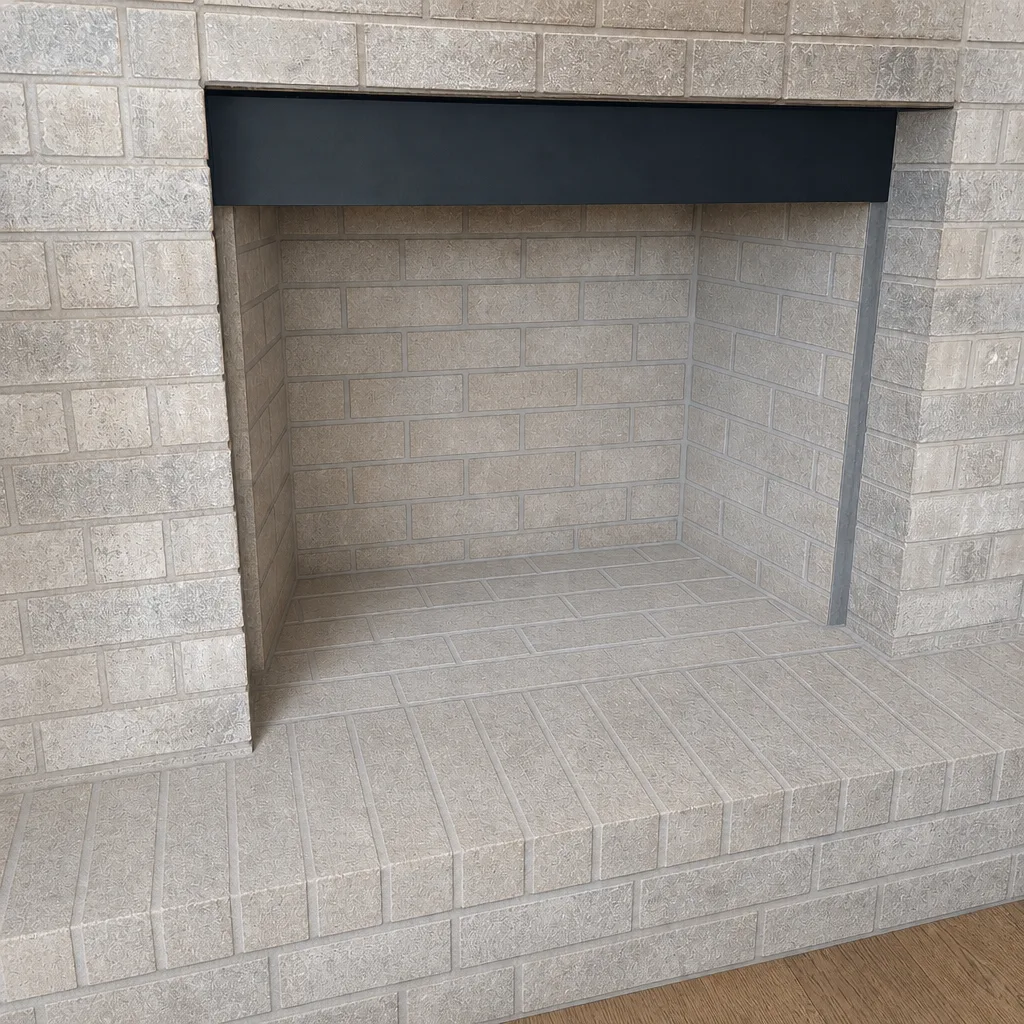 After
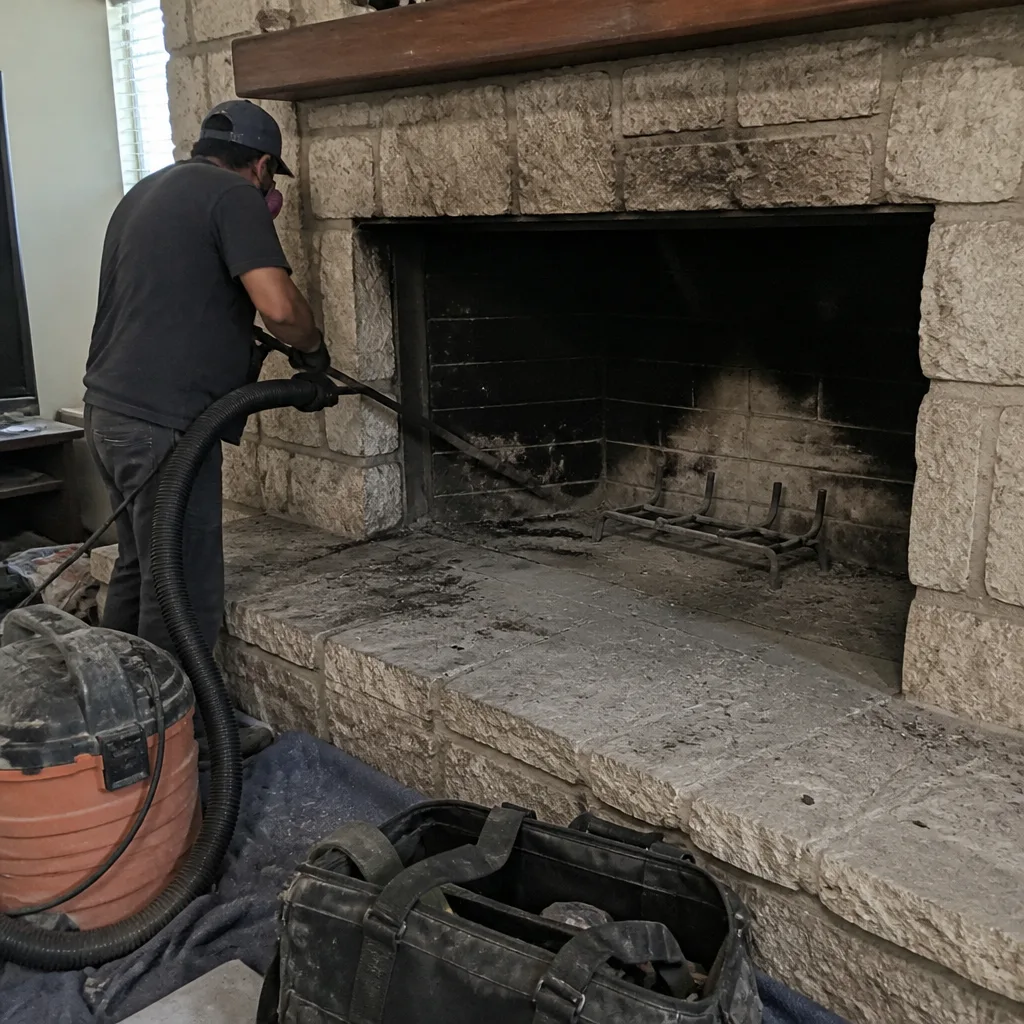 Before
 After
 Before
 After
When to Call a Professional
Call a professional if you notice any of the signs on this page that point to a creosote, draft, water, or blockage problem and you haven’t had an inspection within the last year. Call immediately if you see glazed creosote, a cracked liner, smoke escaping the firebox, or a carbon monoxide alarm near the fireplace. Don’t wait if you’re selling or buying a home in Kingwood and the chimney hasn’t been inspected during the transaction. And call if the previous owner’s paperwork is missing: an inspection is a low-risk way to confirm the chimney is safe before you light the first fire. Chimney Sweep Kingwood offers free estimates in Kingwood – call (844) 960-2344.
Frequently Asked Questions
The earliest reliable sign is a persistent smoky odor in the room when the fireplace isn’t burning, followed by visible soot or dark deposits above the damper and a rough glaze on the flue walls. A weak draft or smoke rolling into the room during startup is another early sign.
Most wood-burning fireplaces need a sweep once a year, before the burning season, or sooner if you burn heavily. Gas fireplaces and inserts usually need less frequent sweeping but still need annual inspection of the venting and liner.
Efflorescence on its own isn’t dangerous, but it’s a clear sign that water is moving through the masonry, and that moisture can cause real damage behind the brick over time. In a humid climate, treat it as a signal to get the chimney inspected rather than ignore.
Many liners can be resurfaced with a system like HeatShield instead of fully replaced, depending on the condition and size of the flue. The decision comes from the inspection, not from the type of fireplace or the age of the home.
Most often it’s creosote deposits on the flue walls, which release a smoky odor in humid weather, or negative house pressure pulling air down the flue. An inspection can distinguish the two, and the fix is different for each.
Treat it as a blockage problem, not a cleaning problem – an animal is likely in the flue or firebox, and a sweep won’t remove it. Call for inspection and removal, and install a cap afterwards so it doesn’t happen again. Call (844) 960-2344 – estimates are free. We answer 24/7, with fast dispatch from 7am to 7pm, Sunday through Friday.
The Bottom Line
Most chimney problems start as a signal you can observe from your own living room: a white stain, a smoky smell, a fluttering sound, a draft that doesn’t quite work. The trick is to read those signals accurately and describe them precisely, because the fix for a creosote problem is very different from the fix for a draft problem, and both are different from a water intrusion issue. In Kingwood’s humid climate, water-related warning signs move faster than in drier places, so treat them with more urgency. If you remember one thing from this guide, make it this: stay off the fireplace until you’ve had an inspection whenever a warning sign looks serious, and let the evidence tell you what needs work before you spend money on it.
Call (844) 960-2344 for a free estimate. We answer 24/7. Fast dispatch from 7am to 7pm, Sunday through Friday.
Written by the team at Chimney Sweep Kingwood.