
Last updated November 22, 2026
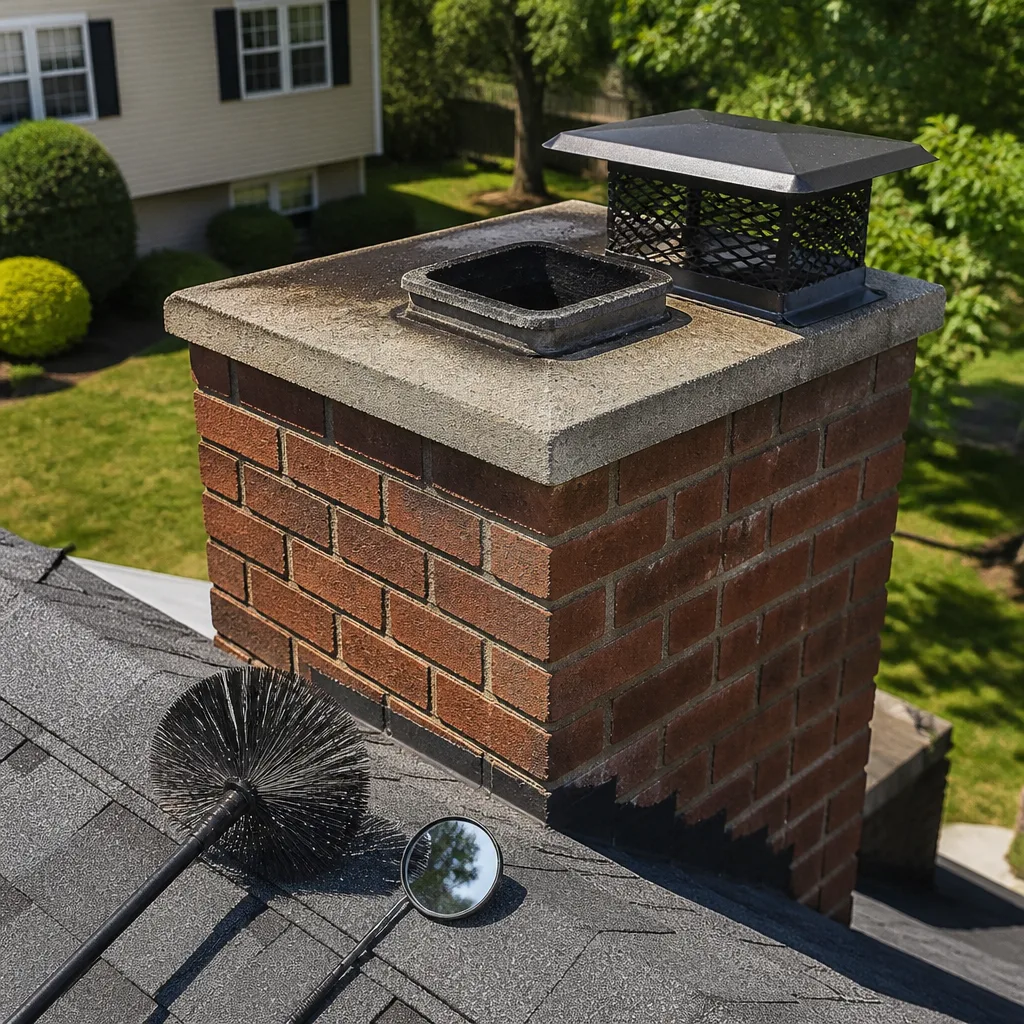 Sweep & inspection
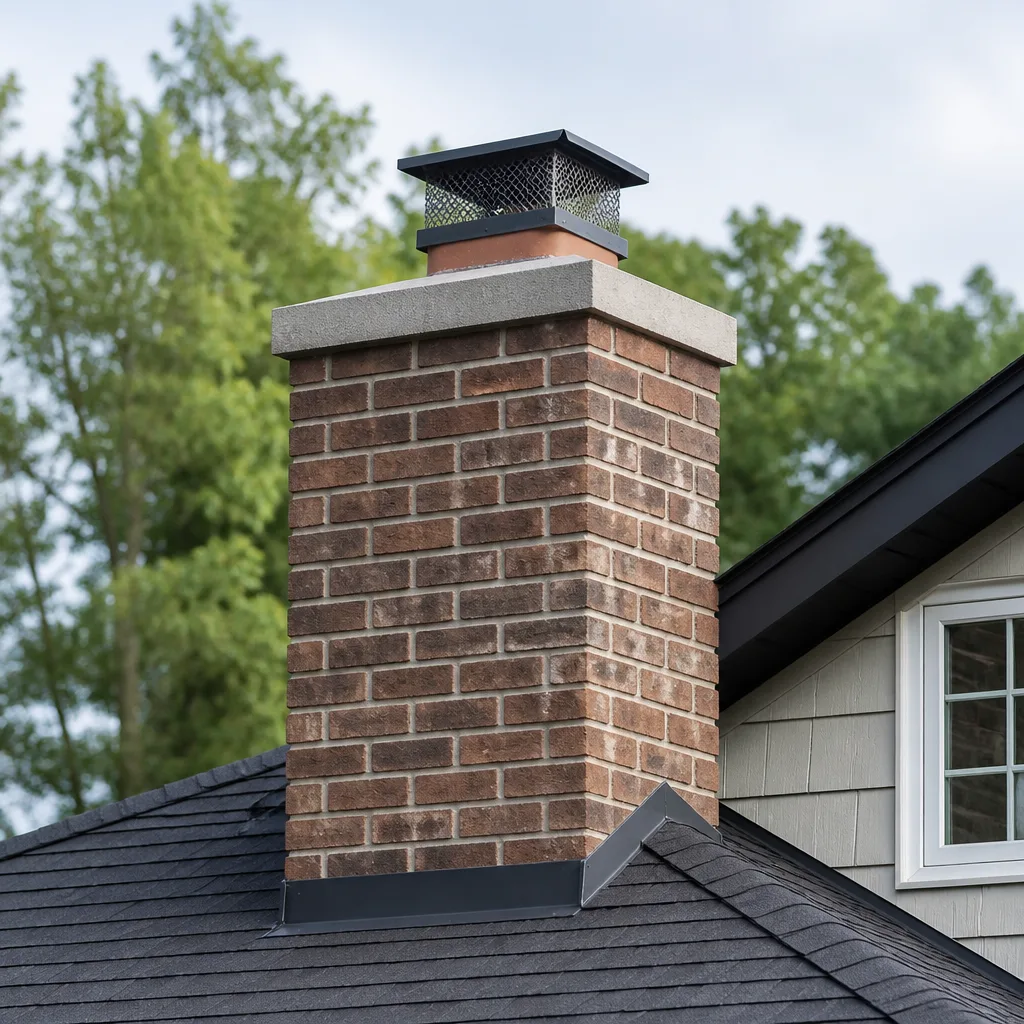 Caps & crowns
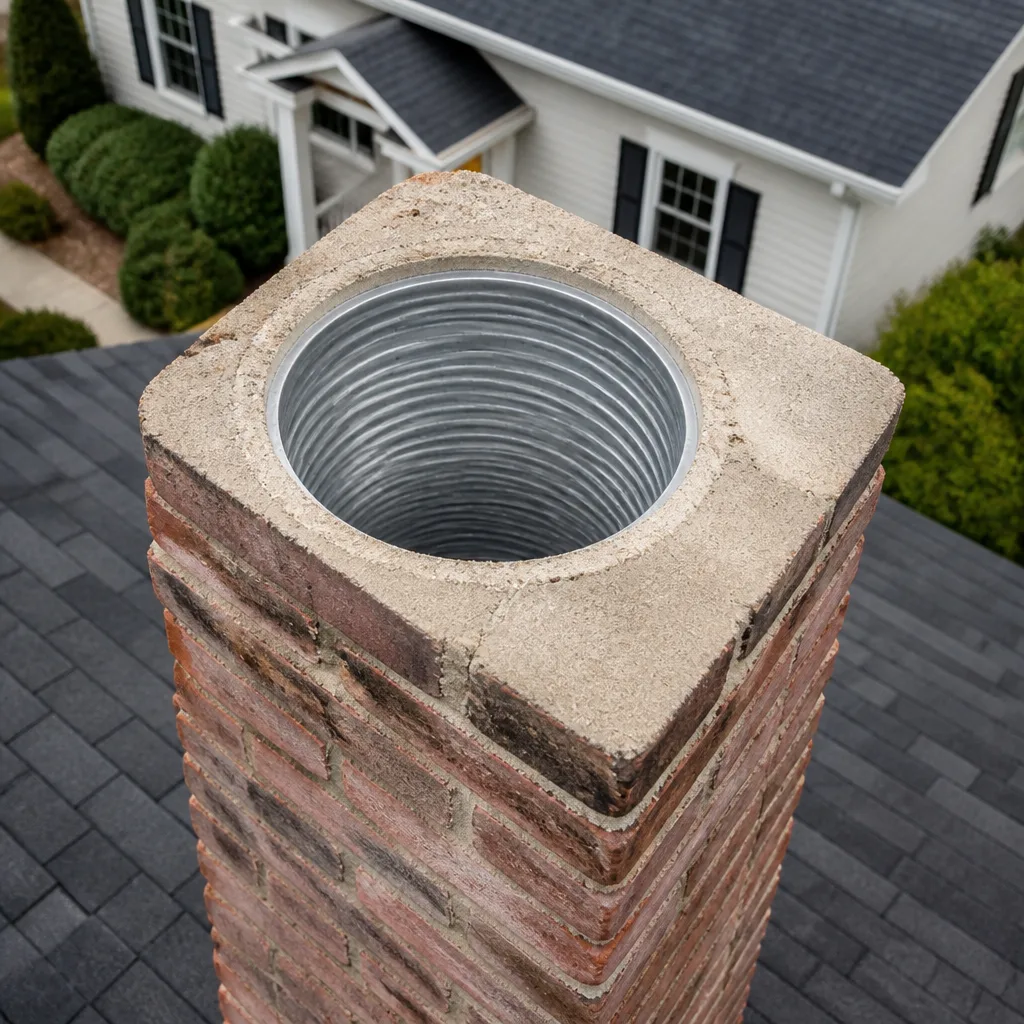 Flue relining
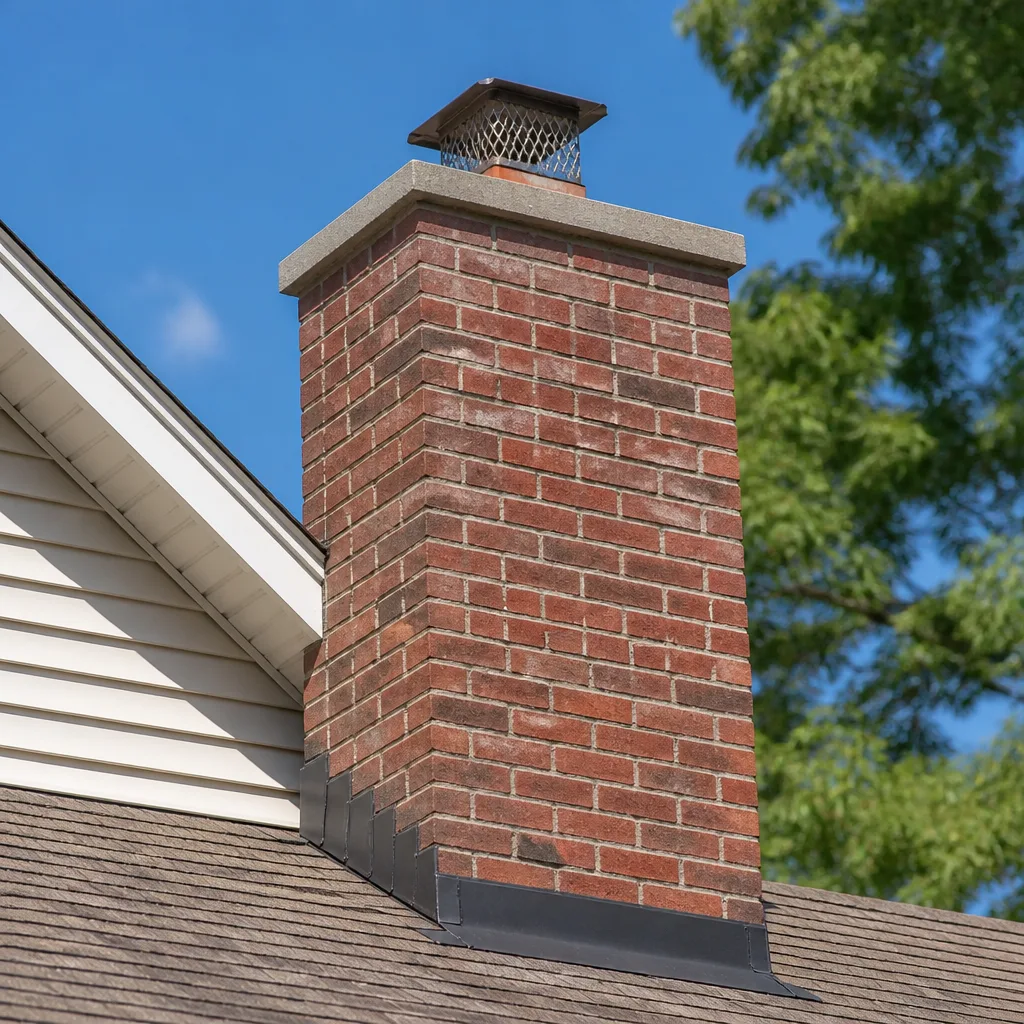 Masonry repair
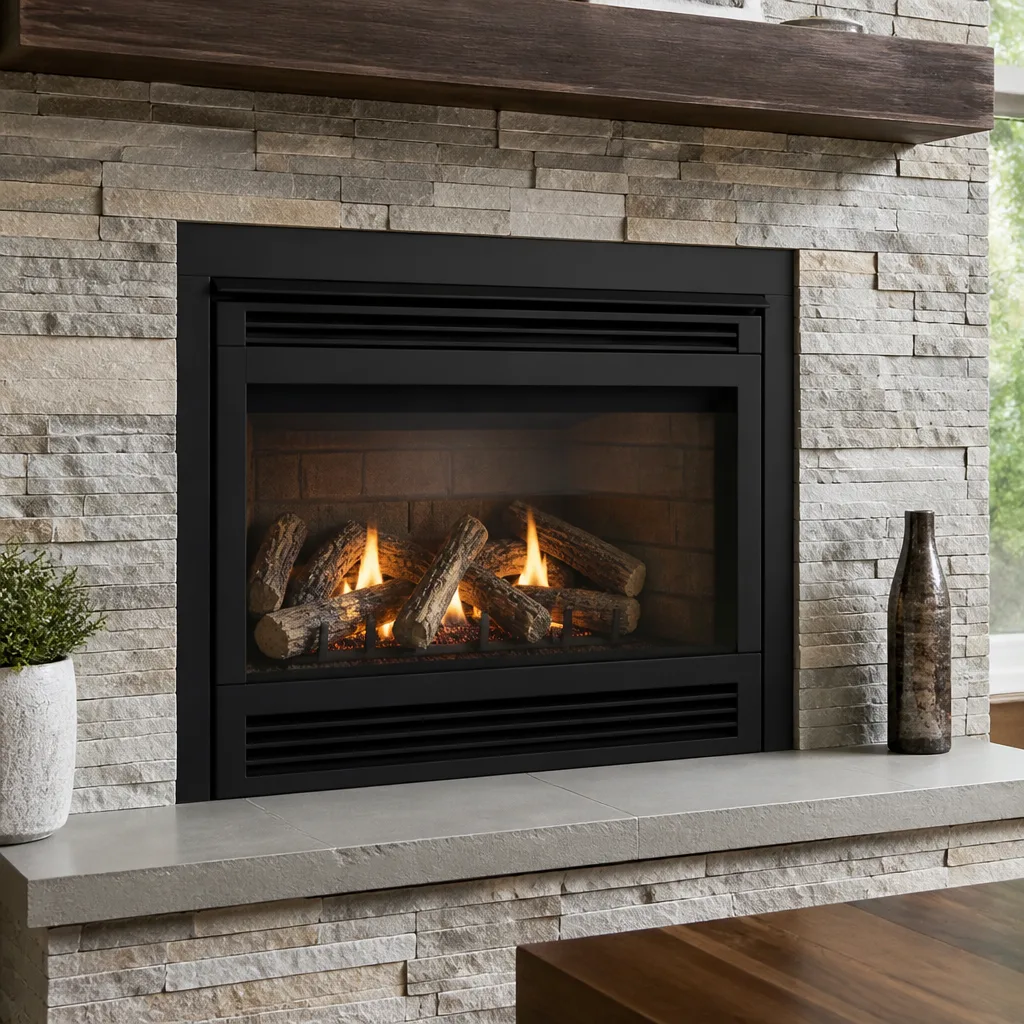 Gas fireplace service
Level 1 sweep and inspection to the NFPA 211 annual standard - flue, crown, cap, and flashing checked and photographed
Chimney sweep logs do not sweep chimneys. They loosen some creosote - which then falls where a brush and vacuum still have to collect it.
Chimney Cleaning Permits, Codes & Inspections in Kingwood, TX: What You Need to Know
Most chimney work in Kingwood needs no permit at all. That’s the part that surprises homeowners, and it’s also the part that gets people into trouble. A routine sweep is maintenance. Swap out a flue liner without the right paperwork, though, and you’ve crossed into a different category of work entirely, one that Texas code and Harris County permit rules treat very differently. The permit itself is inexpensive. The exposure from skipping it is not. In this guide we’ll walk through which chimney services in Kingwood are exempt, which ones trigger a permit, how NFPA 211 and the International Residential Code apply to work done here, what a Level 2 inspection actually legally sets off, how to verify a completed project before you buy a house with a fireplace, and how unpermitted work can affect an insurance claim. Read it before you approve a repair.
Styles & brands we work with
- Sweep & inspection
- Caps & crowns
- Flue relining
- Masonry repair
- Gas fireplace service
Quick Answer
Routine chimney cleaning, minor mortar repointing, and cap or crown replacement in Kingwood, TX generally do not require a permit. Work that replaces or relines a flue, rebuilds a firebox, converts a fireplace to a gas appliance, or alters the chimney structure usually does. Those jobs must be documented as code-compliant under NFPA 211 and IRC Chapter 10, and the local authority having jurisdiction decides whether a permit is needed based on the scope. Always confirm the permit threshold with your city or county building department before work begins.
Table of Contents
- Which Chimney Services in Kingwood Are Permit-Exempt?
- Which Chimney Jobs Trigger a Harris County Permit?
- How NFPA 211 and IRC Chapter 10 Apply in Texas
- What a Level 2 Inspection Legally Triggers
- How to Verify Permitted Chimney Work Before You Buy
- The Insurance Angle: Unpermitted Work and Claims
- Why Kingwood Homes and the Local Climate Matter
- Common Mistakes to Avoid
- When to Call a Professional
- Frequently Asked Questions
- The Bottom Line
Which Chimney Services in Kingwood Are Permit-Exempt?
Cleaning and light maintenance are the safe harbor. When you book a chimney sweep in Kingwood, you’re dealing with service work, not construction. No permit is involved, and that’s normal across Texas. The exemption is about scope, not paperwork convenience.
These services almost never require a permit in Kingwood:
- Routine sweeping and creosote removal
- Level 1 and Level 2 camera inspections
- Minor mortar repointing on the exterior masonry
- Cap replacement of the same size and type
- Crown repair using surface sealant
- Damper lubrication or minor damper adjustment
- Routine fireplace screen or grate replacement
Note that cap and crown work sits on the edge. Replacing a damaged cap with an identical one is maintenance. Building a new crown or altering the flue termination can be construction, and that’s where a call to the building department makes sense. You’ll find our full breakdown of what a proper chimney cap & crown install involves, and why the size and material matter more than the permit question. As a rule, keep the same footprint and you stay in maintenance territory.
Minor repointing deserves a mention. Repointing a chimney in Kingwood means replacing deteriorated mortar joints, not rebuilding the structure. If moisture has worked into the joints after a humid Gulf Coast summer, repointing is the fix. It’s not a permit item. But if the mortar loss is severe enough that the chimney is losing structural integrity, that shifts the conversation.
Which Chimney Jobs Trigger a Harris County Permit?
This is the list that matters. In Harris County, and inside the City of Houston’s extraterritorial jurisdiction where Kingwood sits, the following chimney projects typically require a permit or at minimum a call to the local building department:
- Flue liner replacement or relining – because the liner is a code-critical venting component, most jurisdictions treat a replacement as construction work.
- Firebox reconstruction – rebuilding the fire chamber changes the geometry and clearances the original code approval was based on.
- Gas fireplace conversion or appliance changes – a change in fuel type or a new gas insert almost always triggers permit review.
- Chimney structural repair – rebuilds, height changes, or significant masonry repair on a chimney that has started to lean or crack.
- New chimney installation or demolition – obviously construction.
- Any work that alters clearances to combustibles – including some cap and crown modifications that change the flue opening.
Here’s the part most homeowners miss. The permit isn’t about collecting a fee. It’s the paper trail that the work was inspected by the authority having jurisdiction and that the liner or firebox meets the code minimum. Without it, there’s no independent record that the installation is safe.
In our experience, the jobs that most often skip the permit are liner replacements done as an upsell during a routine visit. If someone recommends a new liner during a sweep, ask directly whether a permit is required and who will pull it. A straightforward answer is a good sign. A vague one isn’t.
How NFPA 211 and IRC Chapter 10 Apply in Texas
Texas doesn’t have a state chimney code. Local jurisdictions adopt one of the model codes by reference, and most adopt the International Residential Code along with the International Mechanical Code. NFPA 211, the standard for chimneys, fireplaces, vents, and solid fuel-burning appliances, sets the technical baseline every model code points back to.
What a code-compliant chimney installation or repair in Kingwood must document generally comes down to a few things:
- Clearances – the required separation between the chimney and combustible framing, verified visually or with a camera.
- Venting – the flue size and liner type are correct for the appliance, whether that’s a wood-burning insert, a masonry fireplace, or a gas unit.
- Liner integrity – the flue liner is continuous, properly joined, and rated for the appliance in use.
- Chase and framing – the chase construction and any chase cover meet the standard the code ties to.
- Draft and termination – the chimney height and cap termination ensure proper draft and prevent downdrafts, which matters a lot in Houston-area humidity swings.
When we reline a flue, the work is done with industry-vetted materials. We use DuraFlex flexible liner systems for flues that aren’t straight, and HeatShield ceramic resurfacing for liners that can be restored rather than replaced. HeatShield is often the code-compliant alternative when the original liner is pitted but not failed. Either way, the installation documents the liner type, the appliance it serves, and the standard it meets.
IRC Chapter 10 also governs hearth extensions, the dimensions of an actual fireplace opening, and how close combustible trim can sit to the firebox. That’s why a serious fireplace repair on a Kingwood home isn’t just cosmetic, and why a contractor who can’t tell you the clearances to combustibles has no business opening up a firebox.
What a Level 2 Inspection Legally Triggers
A Level 2 inspection is the camera inspection that looks at every accessible surface of the flue, not just the firebox. It’s routine during real estate transactions and after any chimney fire or chimney alteration. But here’s the part that matters for permits: a Level 2 inspection creates a documented condition report, and that document has consequences.
What a Level 2 inspection includes:
- Camera scan of the interior flue from the firebox to the termination
- Inspection of the firebox, damper, smoke chamber, and smoke shelf
- Accessible chimney exterior, crown, cap, and flashing inspection
- Verification of clearances to combustibles in accessible areas
- Written photo report with findings and condition ratings
Once the inspection reveals a hazard, a code violation, or an unsafe condition, the technician performing it is generally expected to report it to the homeowner in writing. That’s not a sales pitch, it’s a duty of care. A chimney professional who sees a cracked liner and doesn’t say so in writing has failed the standard. Likewise, a professional who says “your liner is failed, you need a new one” without showing you the photograph has not done their job.
In the real-estate context, the Level 2 report becomes part of the transaction record. If the seller had a liner replaced recently, that report is where the buyer should look first to see whether the work was documented, permitted, and inspected. If the report shows a reline but there’s no permit on file, that’s a signal, not necessarily a stop sign, but a signal worth tracing.
How to Verify Permitted Chimney Work Before You Buy
If you’re buying a Kingwood home with a fireplace, and the seller discloses recent chimney work, here’s how to verify it in order:
- Ask for the permit number. Any permitted job has one. If the seller says “I don’t know, the contractor handled it,” ask for the contractor’s name and the date.
- Call the City of Houston permit office or Harris County permit records. Kingwood sits inside Houston’s extraterritorial jurisdiction in parts, so which office to call depends on the address. Confirm the permit was issued and, more importantly, that the inspection was finaled.
- Request the Level 2 inspection report. It’s a written document with photos. Read it, not just the summary.
- Ask for the liner manufacturer documentation. Brand-name liner systems like DuraFlex or Olympia Chimney come with installation documentation. A serious installer keeps it.
- Hire your own Level 2 inspection. Even if everything looks documented, an independent inspection is inexpensive relative to the transaction, and a Kingwood-area technician will look at what the paperwork can’t show, like the accessible exterior and crown.
The verification process is boring, and that’s the point. You’re not hunting for a problem. You’re confirming that the paper trail matches the physical work. When it does, you close the sale with confidence. When it doesn’t, you have negotiating room, and you have the information you need to plan for a correction.
The Insurance Angle: Unpermitted Work and Claims
This is where the permit question stops being bureaucratic and starts being financial. If a chimney fire, structural failure, or carbon monoxide event happens and the insurer finds that a liner replacement wasn’t permitted or inspected, the payout can be disputed. That’s not a scare tactic, it’s how investigations work. An insurer paying a large claim will trace the history of the system.
Common ways unpermitted chimney work hurts a claim:
- Coverage denial or reduction – a carrier may deny or reduce coverage for damage directly caused by non-code-compliant work that should have been permitted.
- Claim investigation delays – the absence of an inspection record extends the investigation while the adjuster tracks down documentation that doesn’t exist.
- Resale exposure – even if the insurer pays, a future buyer’s inspector can flag unpermitted work and force a correction or a price reduction.
- Liability questions in a house fire – if the fire originated at an unpermitted connection or liner joint, the liability picture gets complicated quickly.
On the flip side, documenting permitted work has an upside. When the homeowner can produce a permit, a finaled inspection, and a Level 2 report, the insurer processes the claim. That’s the difference paperwork makes.
Why Kingwood Homes and the Local Climate Matter
Kingwood’s housing stock runs from older masonry fireplaces in the original villages to newer construction with gas inserts and prefabricated metal chimneys. Each of those carries different code considerations. A masonry fireplace with a clay tile liner has a different compliance baseline than a factory-built metal chimney system. The liner materials differ, the clearance requirements differ, and what “permit-exempt” looks like differs.
When we inspect a chimney in Kingwood, the climate shows up in the findings. The humidity here is hard on mortar joints and on the exterior crown. Seasonal swings in temperature don’t crack masonry the way a hard freeze would in a Northern state, but the summer heat combined with moisture does its own damage to joints and crowns. The crown cracking and repointing recommendations in our reports come from what we actually see here.
For homeowners with wood-burning fireplaces, the condition of the masonry chimney matters most. For homes with gas inserts, the permit question tends to come up at conversion. Either way, a full-scope look across sweeping, inspection, cap and crown, fireplace repair, and chimney repair is what keeps a Kingwood home ready to burn.
Common Mistakes to Avoid
- Assuming all chimney work is exempt. Cleaning is. Relining, firebox rebuilds, and gas conversions usually aren’t. Ask before work begins, not after.
- Letting the contractor “handle the permits” without confirming. Verbal assurances aren’t a permit. Ask for the permit number and the name of the office that issued it.
- Accepting a liner replacement on verbal recommendation alone. A liner recommendation should come with a Level 2 camera photo of the failed section. You should be able to see what the technician sees.
- Skipping the Level 2 report during a home purchase. If a Kingwood home has a fireplace, the Level 2 report is documentation, not decoration. Read it before you close.
- Assuming minor cracking means major repair. Hairline surface cracks in the firebox brick are common. The question is whether the firebox liner is sound, which is what a camera inspection answers.
- Treating a chase cover or crown replacement as always maintenance. Correcting an improperly sized crown is a modification. Check before you assume it’s exempt in the Kingwood area.
- Forgetting the paper trail. Even a permitted job has no value to an insurer or a buyer if you can’t produce the inspection record.
When to Call a Professional
Call a chimney professional in Kingwood when any of the following happens: a chimney fire, even a small one, a structural crack in the masonry, water intrusion at the crown or flashing, a gas conversion, a liner recommendation from another contractor, a real-estate transaction requiring a Level 2 inspection, or a smoke smell in the house during a fire. Also call when the last inspection is old enough that you can’t remember what it said. Routine cleaning is scheduled work. A chimney structural repair or liner replacement is a diagnostic decision, and it should follow an inspection, not precede one.
Chimney Sweep Kingwood offers free estimates in Kingwood. Call (844) 960-2344. We answer 24/7, and fast dispatch from 7am to 7pm, Sunday through Friday, will get a technician to your home to look at what’s actually going on.
Frequently Asked Questions
No. Routine chimney cleaning in Kingwood does not require a permit. It’s considered maintenance work under both the International Residential Code and NFPA 211. The permit question only comes up when the scope changes to relining, firebox reconstruction, or a conversion. Call (844) 960-2344 for an exact quote, estimates are free.
Usually yes. Flue liner replacement is treated as construction work in most Harris County jurisdictions because the liner is a code-critical venting component. The permit threshold is set by the local authority having jurisdiction, so confirm with your building department before work starts. The permit is inexpensive compared to a retroactive inspection later.
A Level 2 inspection includes a camera scan of the entire flue, inspection of the firebox, damper, smoke chamber and smoke shelf, plus the accessible exterior, crown, cap, and flashing. It produces a written report with photos. When the inspection reveals a hazard or code violation, the technician is expected to report it in writing. Call (844) 960-2344 to book an inspection in Kingwood.
Ask the seller for the permit number and the date of the final inspection. Then call the City of Houston or Harris County permit office for the address. Don’t rely on a verbal assurance. Ask for the Level 2 inspection report as well, and hire an independent inspection if the documentation is thin.
Yes. An insurer investigating a chimney fire or structural failure will trace the history of the system. If the liner or firebox was replaced without a permit or inspection, coverage can be disputed or reduced. Documented permitted work makes the claim process straightforward.
Often yes. HeatShield ceramic resurfacing is a code-compliant alternative when the original flue liner is pitted or deteriorated but the structure is still sound. It’s not right for every flue, which is why we inspect first. When a full reline is needed, we use DuraFlex flexible liners for complex or aged flue configurations. Either way, you’ll see the camera evidence before deciding.
The Bottom Line
Most chimney work in Kingwood doesn’t need a permit. The exceptions are the ones that matter. Liner replacement, firebox reconstruction, gas conversion, and structural repair generally require a permit and an inspection, and the paperwork is the homeowner’s protection both at insurance-claim time and at resale. A Level 2 inspection produces the documentation. NFPA 211 and IRC Chapter 10 set the standard the work is measured against. If you’re buying a Kingwood home with a fireplace, verify the permit, read the report, and hire an independent inspection before you close. The paper trail is the point, and it’s cheaper than the alternative.
Written by the team at Chimney Sweep Kingwood.
See the difference
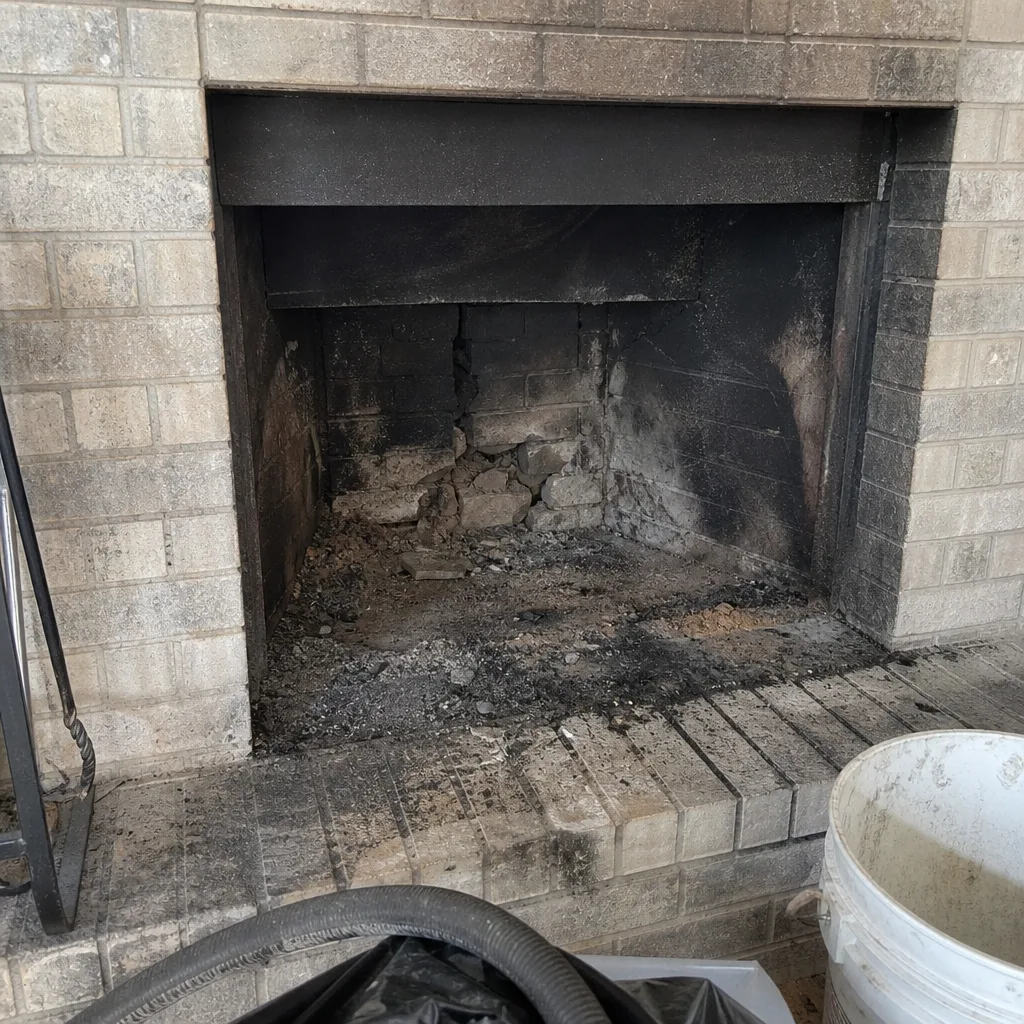 Before
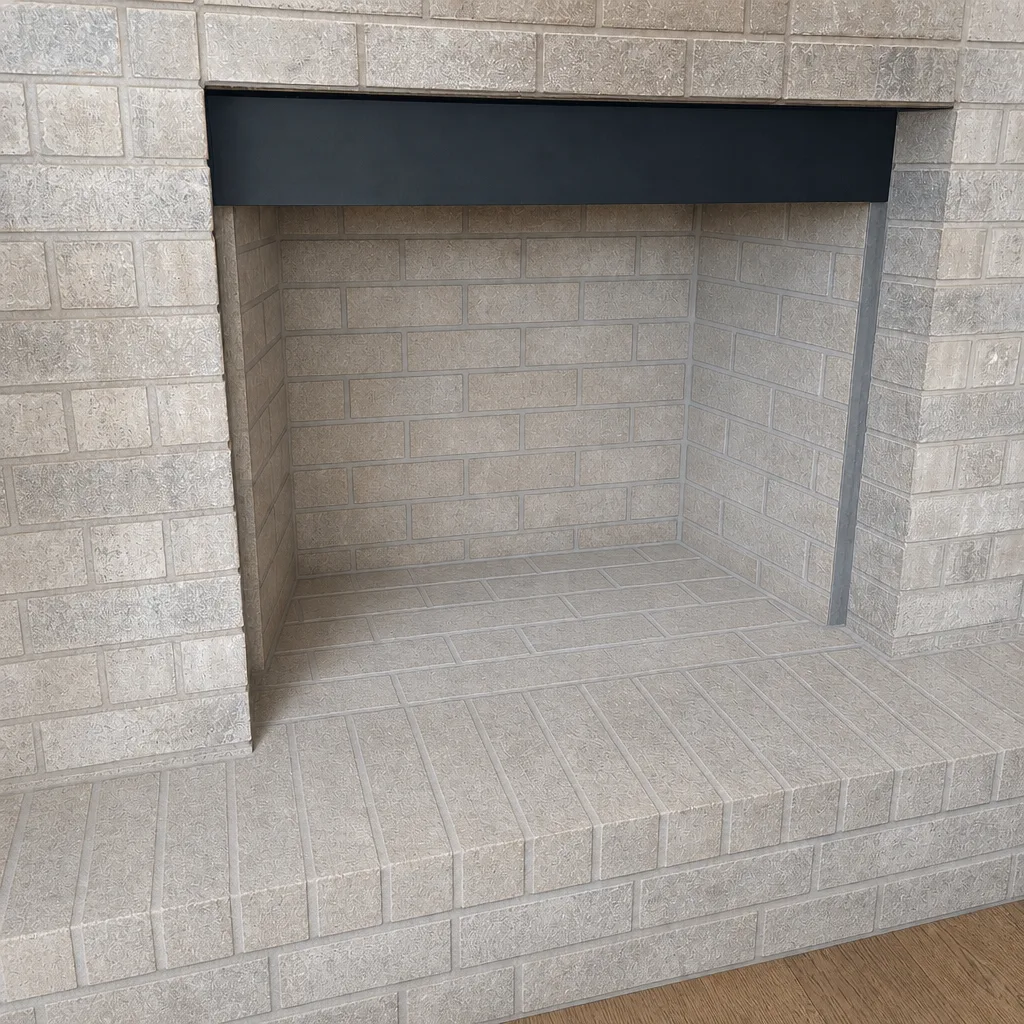 After
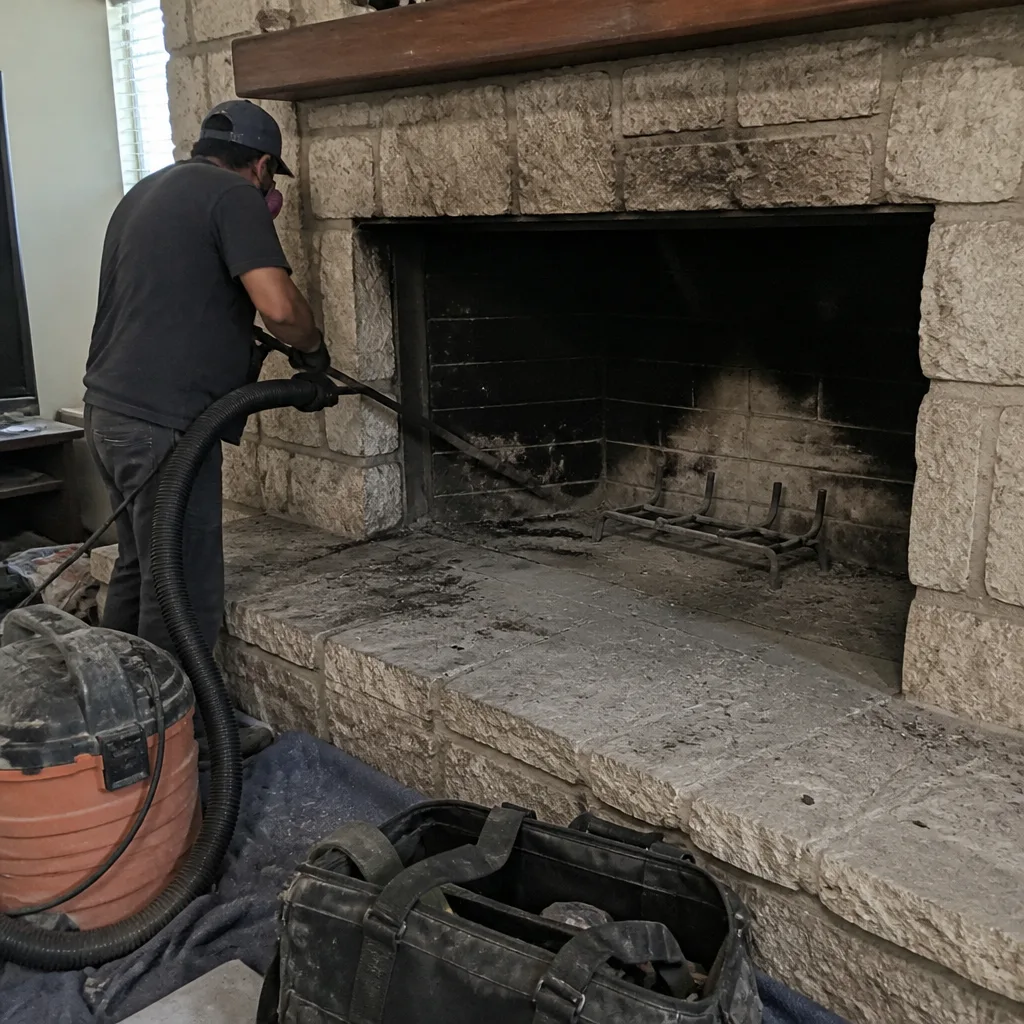 Before
 After
 Before
 After