
Last updated November 22, 2026
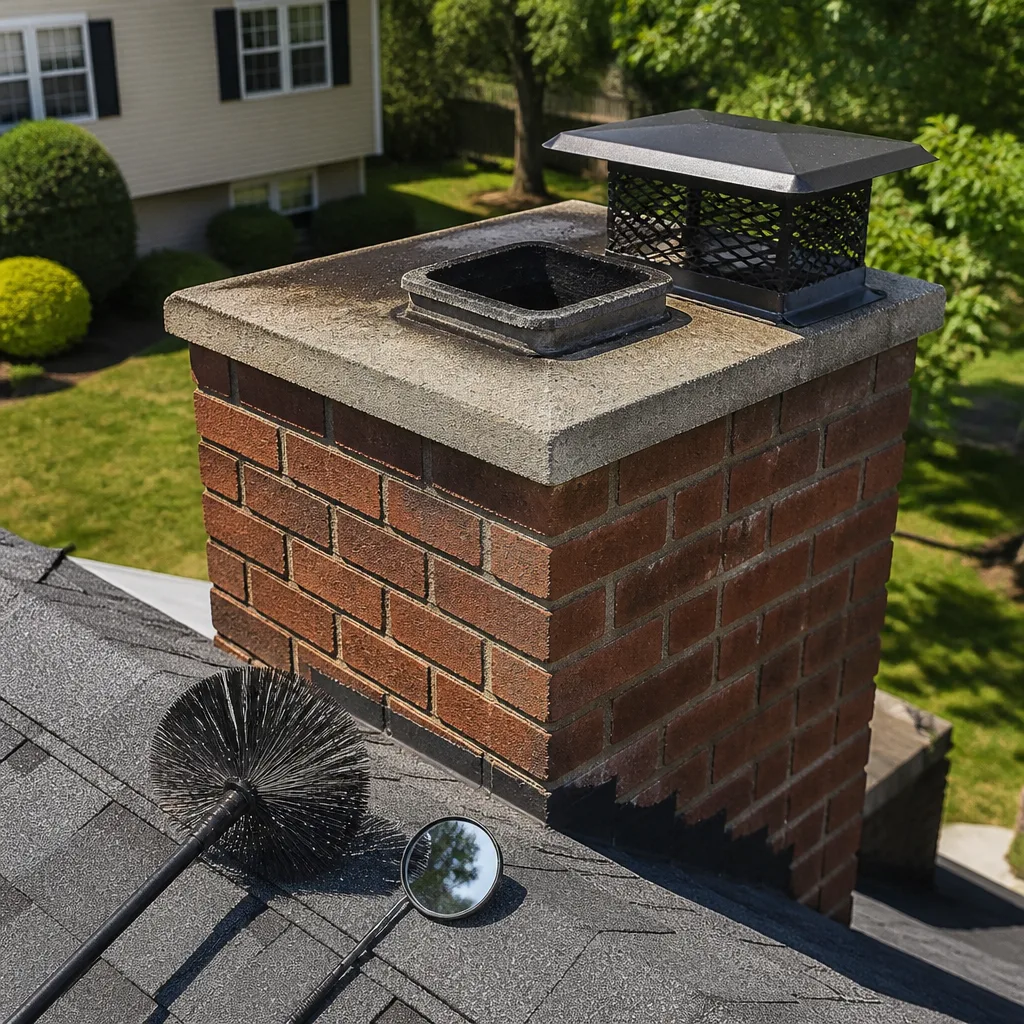 Sweep & inspection
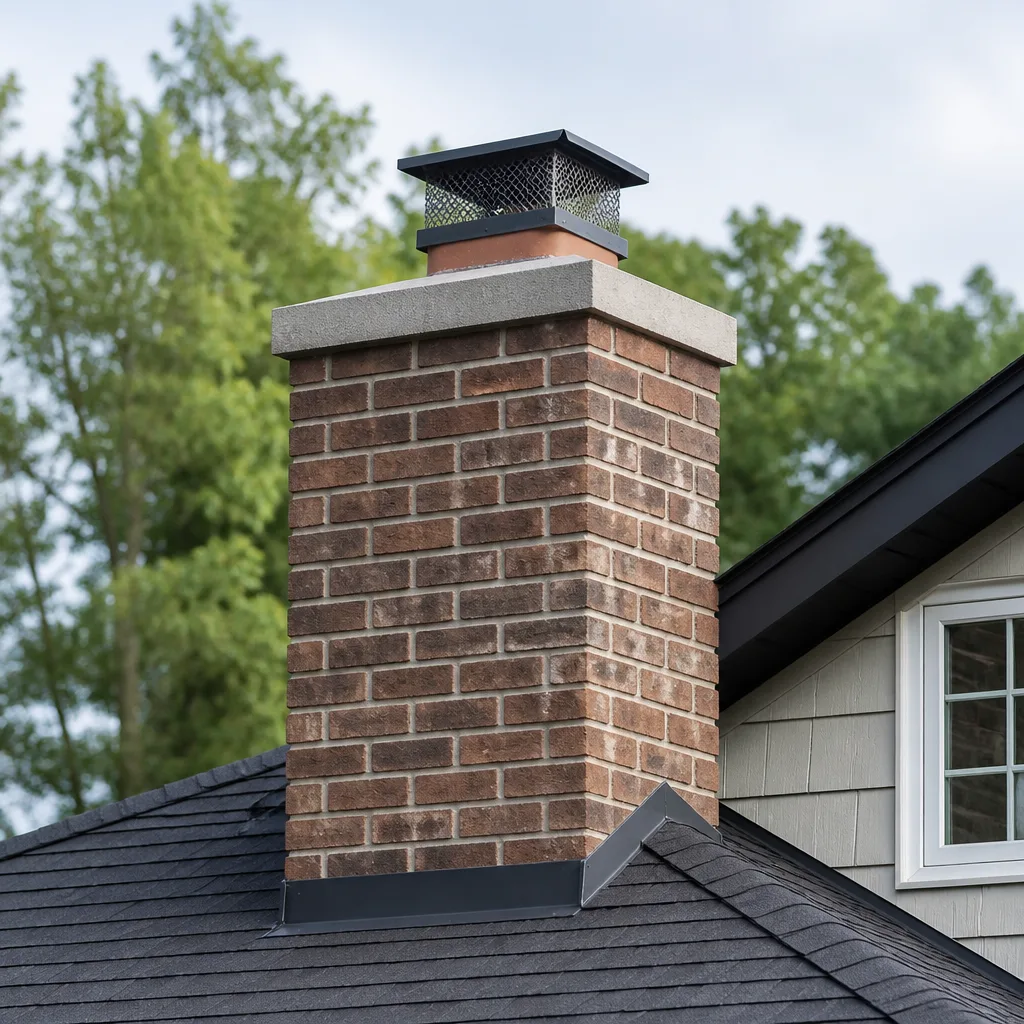 Caps & crowns
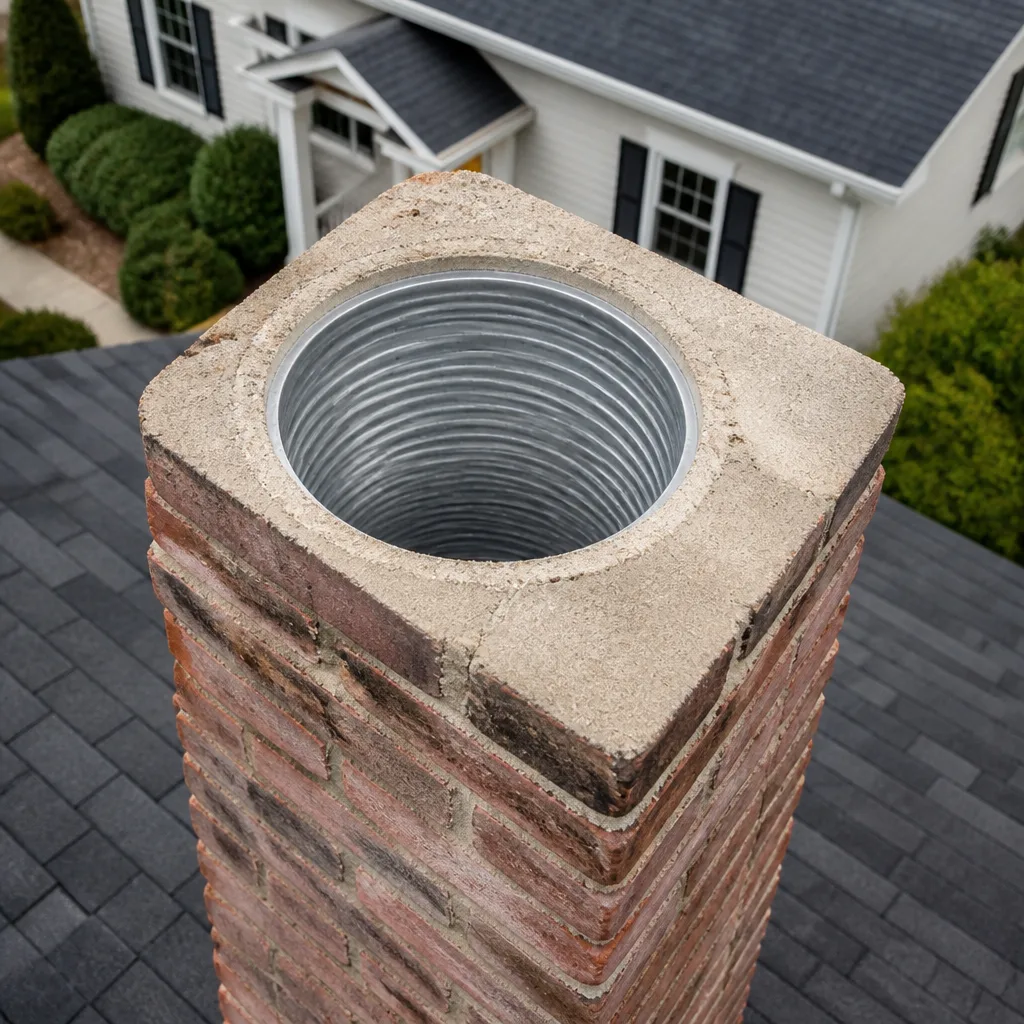 Flue relining
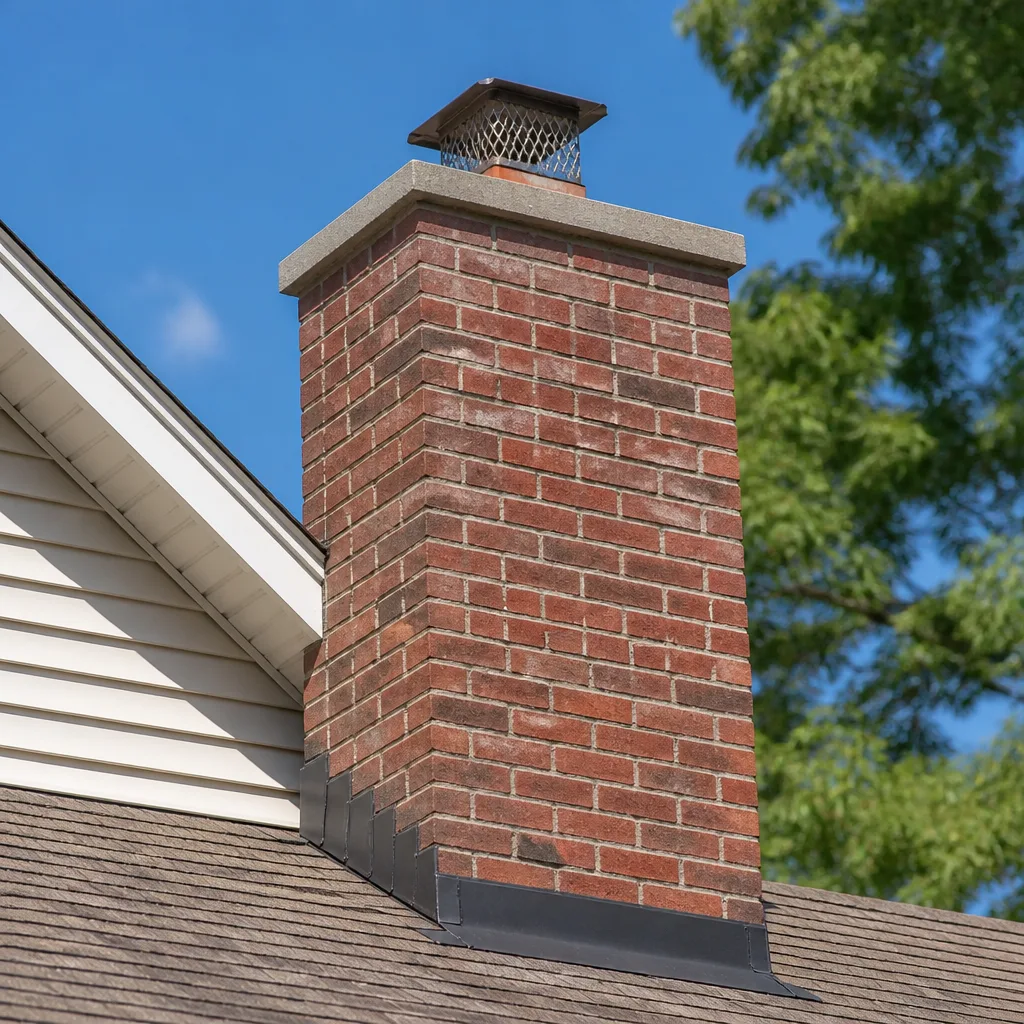 Masonry repair
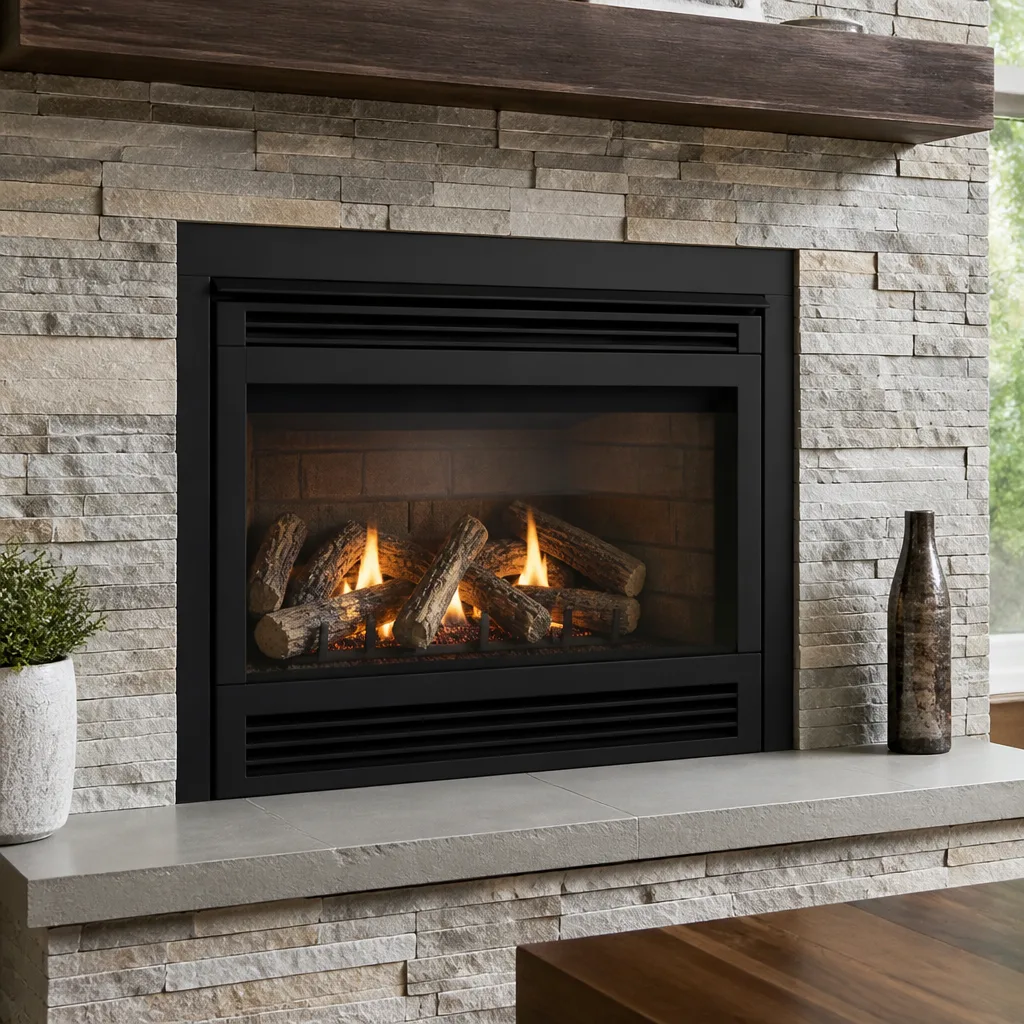 Gas fireplace service
Level 1 sweep and inspection to the NFPA 211 annual standard - flue, crown, cap, and flashing checked and photographed
Chimney sweep logs do not sweep chimneys. They loosen some creosote - which then falls where a brush and vacuum still have to collect it.
The Complete Guide to Chimney Cleaning in Kingwood
Most Kingwood homeowners light their fireplace fewer than 20 times a year. That sounds harmless, even responsible. But light, occasional use is often the worst thing for a flue. Short fires that never get hot enough to burn cleanly leave behind the sticky, tar-like deposit called glazed creosote, and in Kingwood’s humid air that deposit forms faster than many people expect. A chimney that only sees a fire on the coldest nights can foul more aggressively than one burning daily in a drier climate. This guide walks through what chimney cleaning in Kingwood actually involves: how the local climate and tree canopy change the job, what a thorough cleaning looks like from start to finish, how the three inspection levels differ, and the red flags hiding behind bargain cleaning quotes. By the end you’ll know exactly what to ask for and what to expect.
Quick Answer
Chimney cleaning in Kingwood is the mechanical removal of creosote, soot, and debris from the flue, firebox, and smoke chamber, followed by a camera check to confirm the flue is clear and sound. A professional cleaning is worth booking at least once a year, and sooner if you burn frequently or notice heavy deposits. Because Kingwood’s humidity and low-frequency burn habits accelerate glazed creosote, a cleaning should always include a visual and camera inspection so nothing gets missed. Call (844) 960-2344 for a free estimate.
Styles & brands we work with
- Sweep & inspection
- Caps & crowns
- Flue relining
- Masonry repair
- Gas fireplace service
Table of Contents
- Why Kingwood Chimneys Get Dirty Differently
- Glazed Creosote and Low-Frequency Burning
- Oak and Pine Debris: How It Blocks a Flue
- The Three CSIA Inspection Levels Explained
- What a Real Cleaning Visit Includes Start to Finish
- What “Clean” Actually Means on a Scan
- Red Flags Behind Cheap Cleaning Quotes
- How Often Should You Schedule in Kingwood?
Why Kingwood Chimneys Get Dirty Differently
Chimney fouling follows the local climate and the local trees. In Kingwood, both work against the flue in ways a generic national article won’t tell you. The Gulf Coast humidity keeps outdoor air heavy with moisture most of the year. When a cool, damp chimney warms up slowly during a short fire, the flue stays below the temperature where combustion gases burn off cleanly. That slow, cool start is exactly the condition that lays down the densest, stickiest creosote. In a drier climate the same fire might deposit a light, dry soot that a brush removes easily. Here it can bake into a hard glaze.
There’s a second local factor: the canopy. Kingwood sits within a dense mix of oak and pine, and both shed debris onto roofs in a way that finds its way into chimney tops. That debris doesn’t just sit on the cap. It collects on the crown, works into the flue opening, and mixes with moisture to form a mat that narrows the flue over a season. What that means practically is that a Kingwood chimney accumulates two different kinds of fouling at once: combustion deposits inside the flue and organic debris from outside, top down. A cleaning that only addresses one leaves the other.
We’ve seen this combination repeatedly in the area. Homes that burn lightly and sit under heavy tree cover often need attention on a schedule closer to heavy-use homes in drier regions. That’s the counterintuitive part: your fire’s small size is not a reason to relax your cleaning schedule. It’s a reason to keep it.
Glazed Creosote and Low-Frequency Burning
Creosote forms in stages, and the stages matter because each one requires different tools to remove. Understanding them helps you judge whether a cleaning is being done properly.
- Stage 1 – soot and light flake: Dusty, dry, and easy to brush away. Common after a season of steady, hot fires.
- Stage 2 – hardened crust: Dense and somewhat brittle. A stiff brush handles it but the flue needs real work, not a quick pass.
- Stage 3 – glazed, tar-like coating: Hard, shiny, and bonded to the flue wall. A standard brush skips over it. This stage often needs chemical treatment or mechanical rotary tools, and sometimes it signals that the liner itself should be evaluated for replacement or restoration.
Here’s why glazed creosote is so common in Kingwood despite light use. A hot, efficient fire burns most of the combustible material in the smoke. A short, low fire does the opposite: it sends unburned material up a cool flue, and that material condenses on the cooler walls and cures into a glaze over time. Frequent small fires, damp wood, and a cold start all push toward Stage 2 and Stage 3. In our humid air, the moisture adds another layer that helps deposits cling.
A properly cleaned flue should be scanned after brushing to confirm no glaze was left behind. If a technician brushes once, declares the chimney clean, and never looks up the flue with a camera, you don’t have proof of anything. We use the materials the industry trusts for a reason: products like chimney sweep compounds and creosote conditioners from established trade brands help loosen and remove what a dry brush can’t reach. Diagnosing the stage before you clean determines the whole approach.
Oak and Pine Debris: How It Blocks a Flue
Tree debris doesn’t just clog a chimney cap. Each type blocks a flue in a different way, and knowing which you’re dealing with changes how a technician cleans it.
Oak debris arrives mostly as twigs, acorn caps, and small branches during wind events. It’s dense and tends to pile up around the cap and crown, obstructing the flue opening and occasionally dropping into the flue itself. Because oak debris holds moisture, it can cause rust on metal caps and accelerate crown cracking where it sits and decays.
Pine debris is the sneakier one. Pine needles are thin, resinous, and can slip through cap mesh and cling to the flue walls. Once inside, they catch soot and hold it, forming a mat that narrows the flue. Over a season the mat restricts airflow, which makes the next fire burn cooler, which in turn lays down more creosote. It’s a self-reinforcing cycle, and it’s the reason a pine-heavy yard often means a tighter cleaning schedule in Kingwood.
The practical takeaway: after any major wind event or long dormant period, it’s worth checking the flue for debris even if your cleaning schedule says you’re not due. If you’re seeing needles or leafy material on your roof, some of it may have already found your flue.
The Three CSIA Inspection Levels Explained
Not every chimney inspection is the same, and knowing the three levels helps you understand what you’re paying for and when a deeper look is warranted. The Chimney Safety Institute of America defines three levels, and a reputable technician will tell you which one applies to your situation before starting.
- Level 1 – the basic visual inspection. A technician examines accessible portions of the chimney, firebox, damper, and flue from the ground and hearth with a camera. This is the standard inspection for an annual cleaning when there’s no reason to suspect a problem and nothing has changed. It’s quick, non-invasive, and covers the visible condition of the system.
- Level 2 – the expanded inspection. This adds a video scan of the full interior of the flue, so the technician can see the liner, joints, and any cracks or gaps. A Level 2 applies after a chimney fire, after a storm event, when a home is being bought or sold, when you switch to a new appliance, or when you’ve had a long dormant period and want to confirm the flue is intact before burning again. If a Kingwood storm has thrown debris onto the roof, or the house has sat empty for a season, a Level 2 is the right call.
- Level 3 – the diagnostic inspection. This goes further, with access to concealed parts of the chimney, which may mean openings in the wall or disassembly of components. A Level 3 applies when a Level 1 or Level 2 finds a serious problem that requires visual confirmation in an obscured area.
For most Kingwood homes, an annual Level 1 with the cleaning is enough, and a Level 2 whenever something changes or looks off. If a technician can’t clearly tell you which level you’re getting and why, that’s a diagnostic gap worth noting.
What a Real Cleaning Visit Includes Start to Finish
A thorough cleaning follows a sequence, and each step matters. Here’s what a legitimate visit should look like from the moment the technician arrives.
- Protection and setup. Floor and hearth covers, drop cloths, and a dust control setup before any equipment goes up. No surprise mess.
- Pre-clean inspection. A visual check of the firebox, damper, smoke chamber, and flue opening, plus confirmation of which inspection level applies.
- Guard against debris spread. A sealing or collection setup at the flue opening so soot stays contained and exits through the equipment, not the room.
- Mechanical cleaning of the flue. Brushing from the top or bottom, sized to the flue, with rotary tools or chemical treatment where glazed creosote requires it.
- Firebox and smoke chamber cleaning. Soot removal from the firebox, damper, and the sloped smoke chamber above the firebox, which is often neglected.
- Camera scan. A look up the flue with a camera to verify it’s clear of deposits, debris, and any obstruction, and to check the liner for cracks or gaps.
- Debris and deposit removal from the exterior. Clearing the cap, crown, and flue top of leaf litter, needle mats, and nests.
- Photo report and walkthrough. The technician shows you what they found, what was removed, and what they saw on the scan. You get a clear picture, not just an invoice.
Anything less than this sequence is a partial job. The camera scan and the photo report are what separate a real cleaning from a cosmetic one. We tell you what your chimney actually needs, and that starts with showing you the evidence.
What “Clean” Actually Means on a Scan
“Clean” isn’t what the firebox looks like when the technician leaves. It’s what the camera sees inside the flue. A scan should show an interior free of deposit buildup, no glaze left on the walls, no debris lodged in the smoke chamber or at the top, and a liner with no visible cracks or gaps. If any of that isn’t true, the job isn’t finished, regardless of how tidy the hearth looks.
Ask to see the scan images. A technician who has the equipment to clean a flue properly has the equipment to photograph it. If they can’t show you the interior, you have no way to verify the work, and you’re relying entirely on a verbal claim. We build the camera check and photo report into the visit precisely so you can see what was removed and what condition the liner is in.
The scan also protects you from the opposite problem: being told you need a new liner or major masonry work you have no way to check. No liner recommendation should start with a purchase order. It should start with a photo of a crack or a gap you can see for yourself. When the evidence supports repair, the right fix comes next. When it doesn’t, we say so plainly and, in many cases, that the chimney can wait until a later season.
Red Flags Behind Cheap Cleaning Quotes
A bargain cleaning quote sounds appealing until you understand what it leaves out. In the Houston area, a very low advertised price often covers only a partial service, and the difference shows up later as problems the first visit never addressed. Watch for these warning signs.
- No camera scan included. A cleaning without a visual scan of the flue can’t confirm the deposit was actually removed. You’re paying for a sweep, not a result.
- No photo report. If you can’t see what was cleaned, you can’t verify it was cleaned. A legitimate visit documents what was found.
- Brushing only, no treatment for glaze. Standard brushes skip over glazed creosote. If the technician doesn’t evaluate the stage and treat it, the glaze stays.
- No inspection level discussed. A technician who doesn’t mention Level 1, 2, or 3 and why one applies isn’t diagnosing. They’re performing.
- Skip the firebox and smoke chamber. Cleaning only the flue leaves buildup in two critical areas where soot and creosote collect.
- Upsell-first approach. A quote that quickly turns into a recommendation for a full reline without a photo to back it up is a sign to get a second opinion or ask for the scan.
- No cap or crown check. The roof-level components are part of the system. A cleaning that ignores a cracked crown or missing cap invites water and debris back in.
A low price isn’t inherently bad. A low price with a partial service is. The question to ask isn’t “what’s the price” but “what’s included, and can you show me the scan?”
How Often Should You Schedule in Kingwood?
Once a year is the baseline for most homes, and the local conditions can justify more. In Kingwood, the combination of humid air, low-frequency burning, and heavy oak and pine debris pushes the practical schedule a notch tighter than a generic recommendation would suggest. Here’s a simple way to think about it:
- Annual cleaning and Level 1 inspection: the default for any home with a wood-burning fireplace, whether it sees 5 fires a year or 50.
- Twice a year or after major wind events: warranted if you’re under heavy pine cover, see needle mats on the roof, or know your flue catches debris.
- After a long dormant period: schedule a cleaning and a Level 2 inspection before lighting the first fire of the season, so the flue is confirmed intact and clear.
- After a chimney fire or storm: a Level 2 inspection is the right response, even if the fire was small and went out on its own.
Cap and crown condition belongs on the same checklist. A missing or damaged cap lets water and debris straight into the flue. Regular chimney cap & crown checks keep the interior protected between cleanings. If you use a gas fireplace and only occasionally burn wood, the schedule still applies when wood is burned, and the flue should be checked if it’s been idle for a long time.
Common Mistakes to Avoid
- Assuming light use means no cleaning. In Kingwood’s humidity, a few cool, short fires a year can lay down more glazed creosote than heavy use in a dry climate. Frequency of fires is not the only measure of fouling.
- Skipping the camera scan. A cleaning without a scan can’t confirm the deposit is gone, and it can’t catch a cracked liner. No photo, no proof.
- Ignoring the roof-level parts. A missing cap or a cracked crown lets water and pine needles in all year. Check the cap and crown at every cleaning, not just when you notice a leak.
- Treating a low price as the whole cost. A partial service at a low price often means you’ll pay for a second, complete visit later. Ask what’s included before you book.
- Burning green or damp wood. Wet wood burns cool and smolders, which is the exact condition that produces the stickiest creosote. Seasoned wood burns hotter and leaves less behind.
- Lighting the first fire of the season without a check. After months of dormant, humid weather and debris accumulation, confirm the flue is clear and the liner is sound before you burn.
- Accepting a big repair recommendation with no evidence. A liner or masonry recommendation should come with photos of the actual problem. Ask to see them, and ask whether the work can safely wait.
See the difference
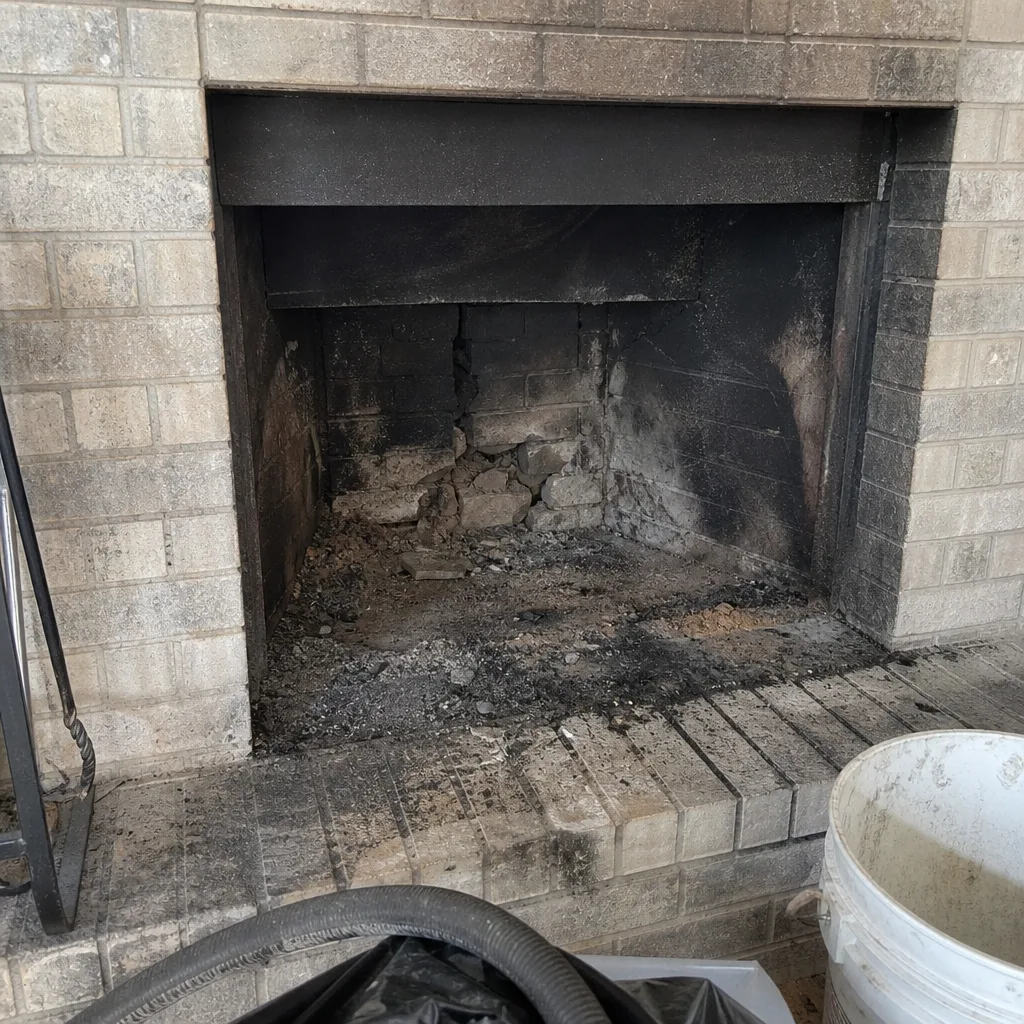 Before
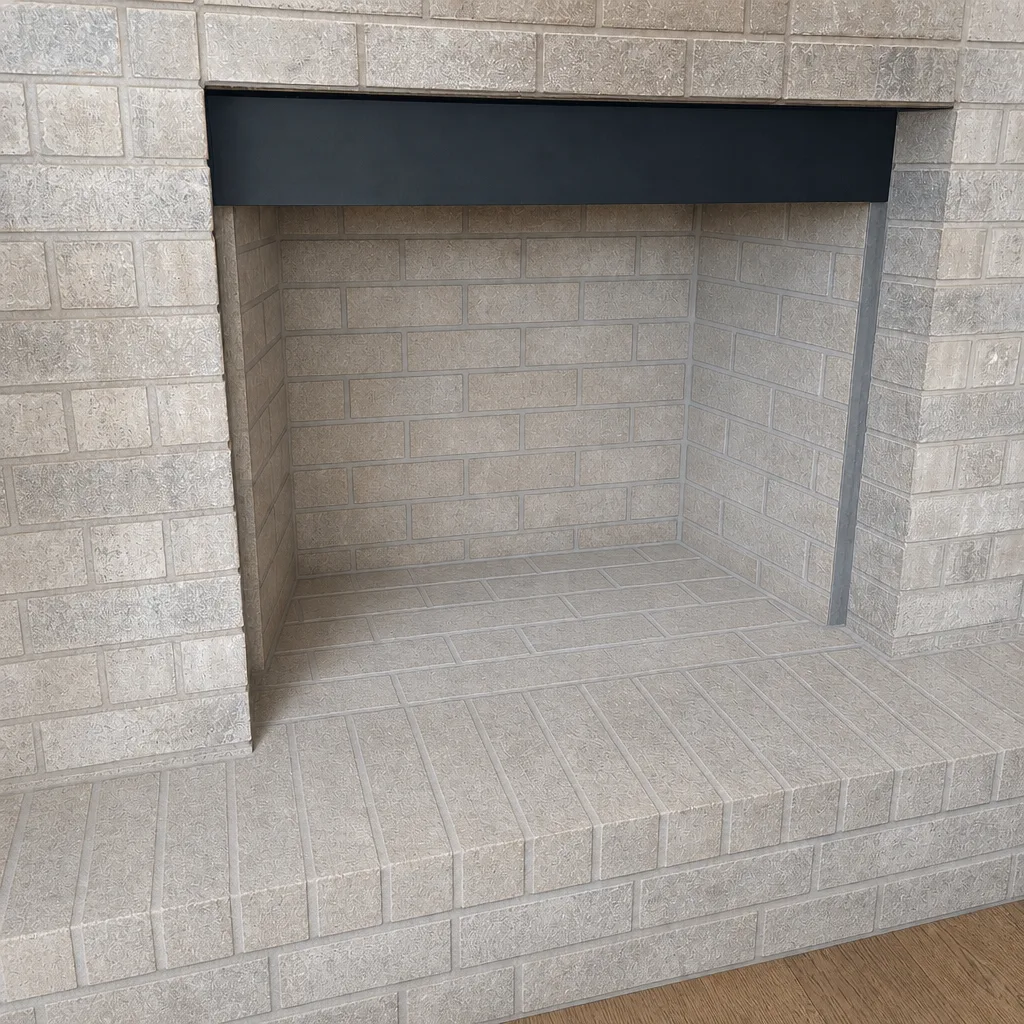 After
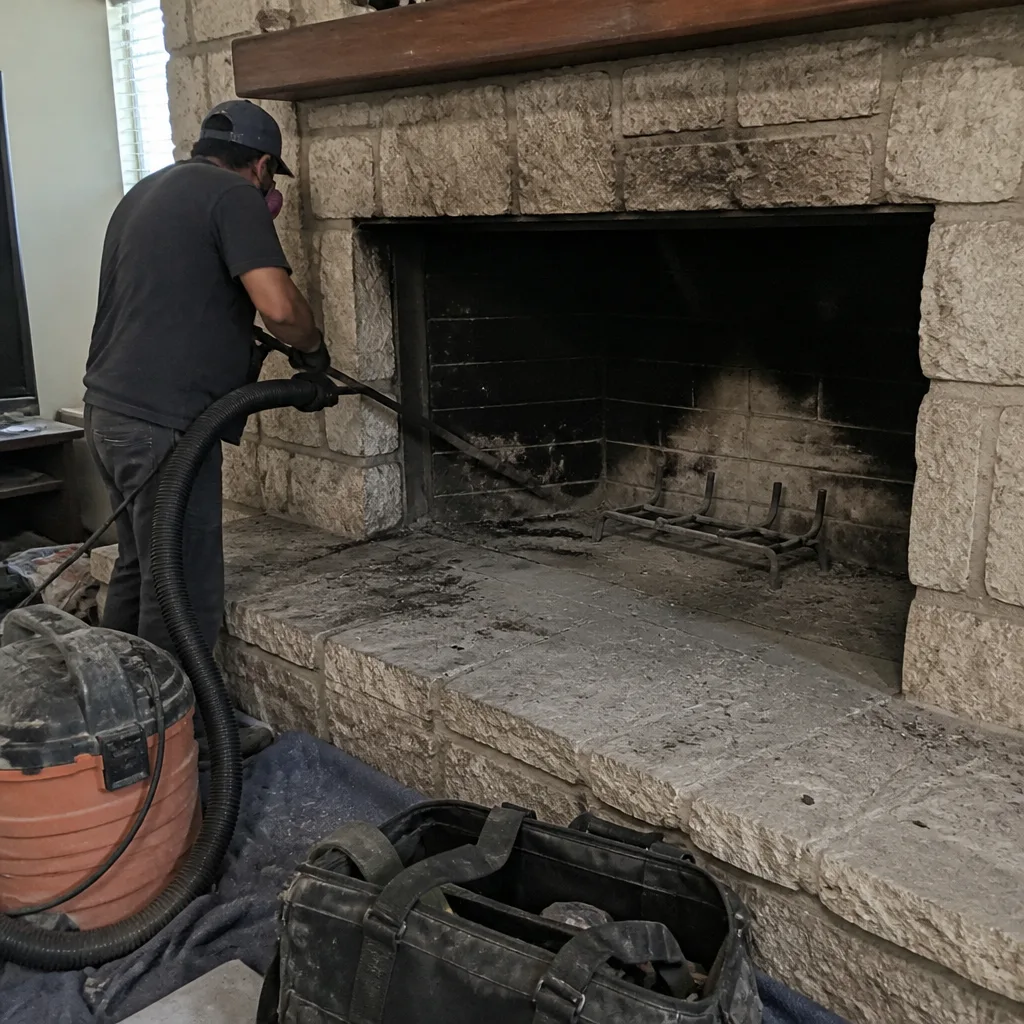 Before
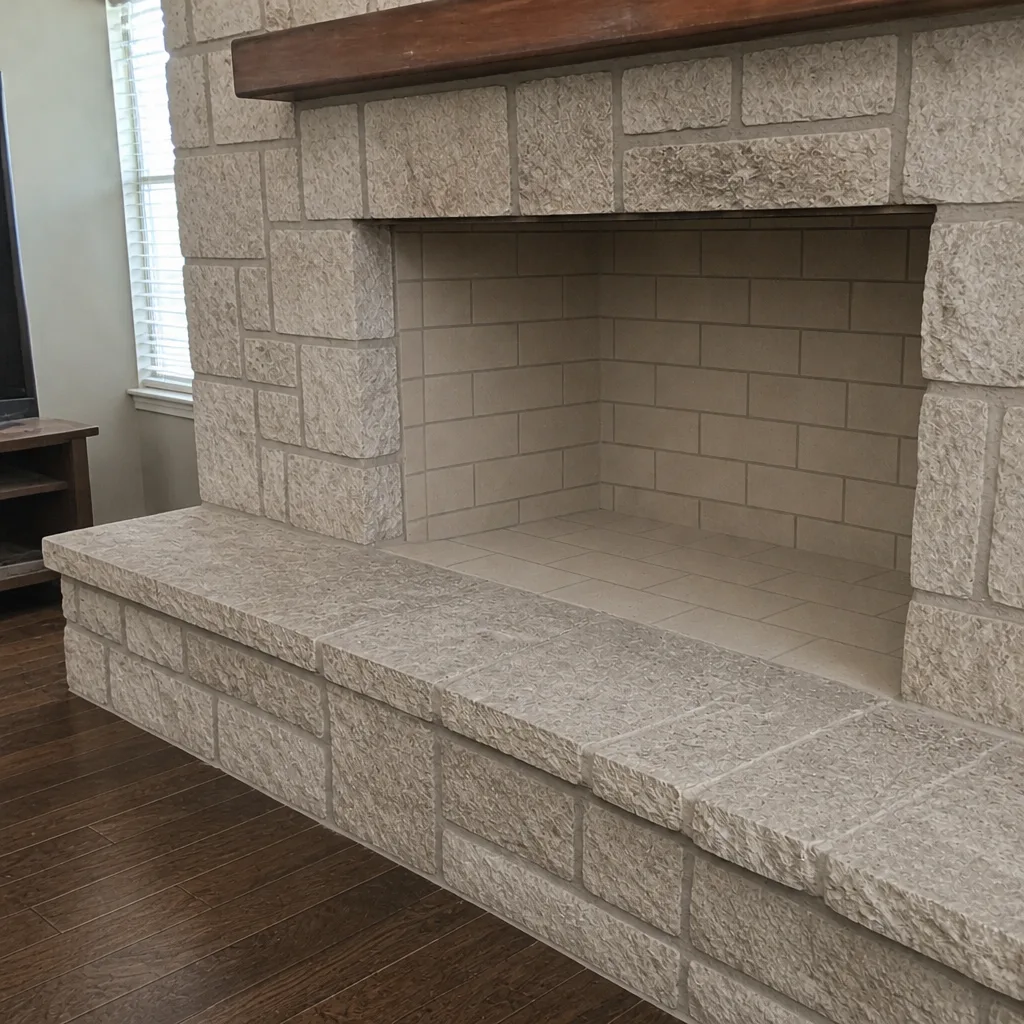 After
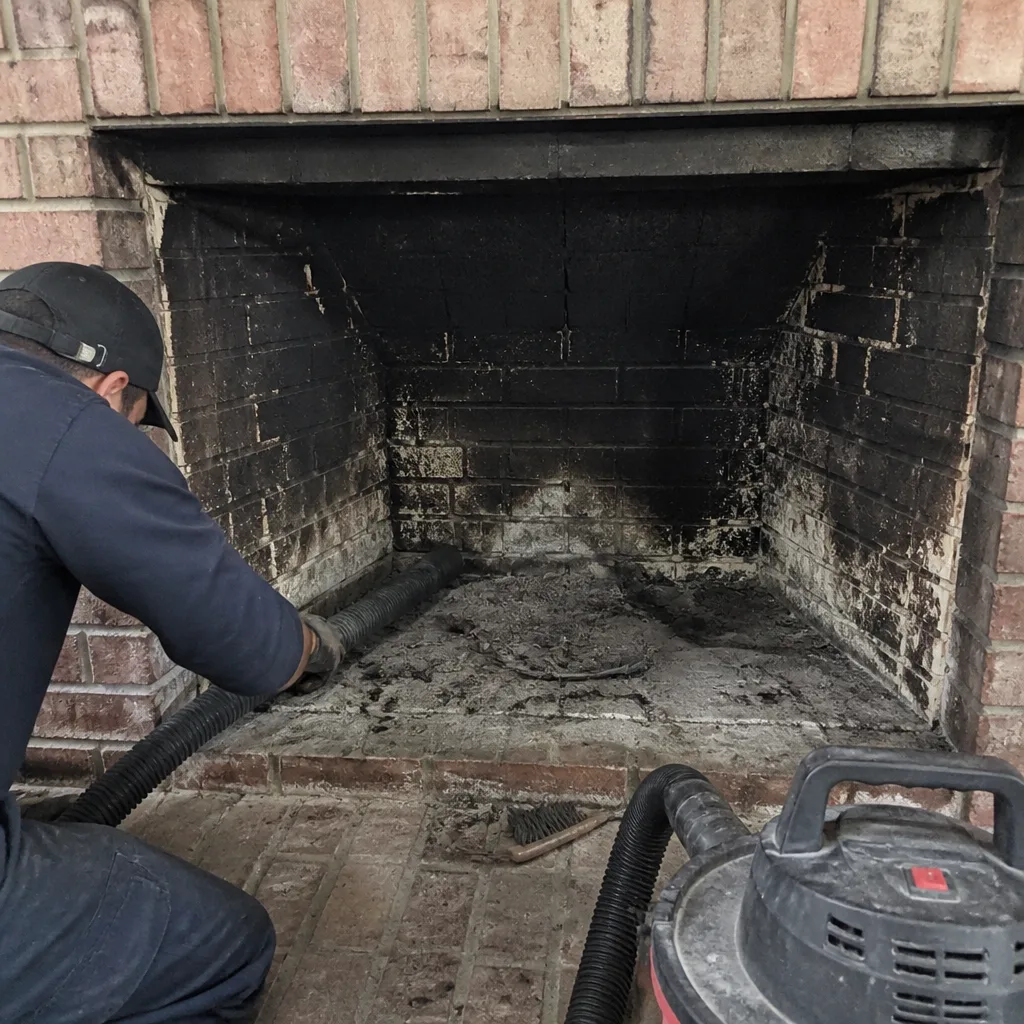 Before
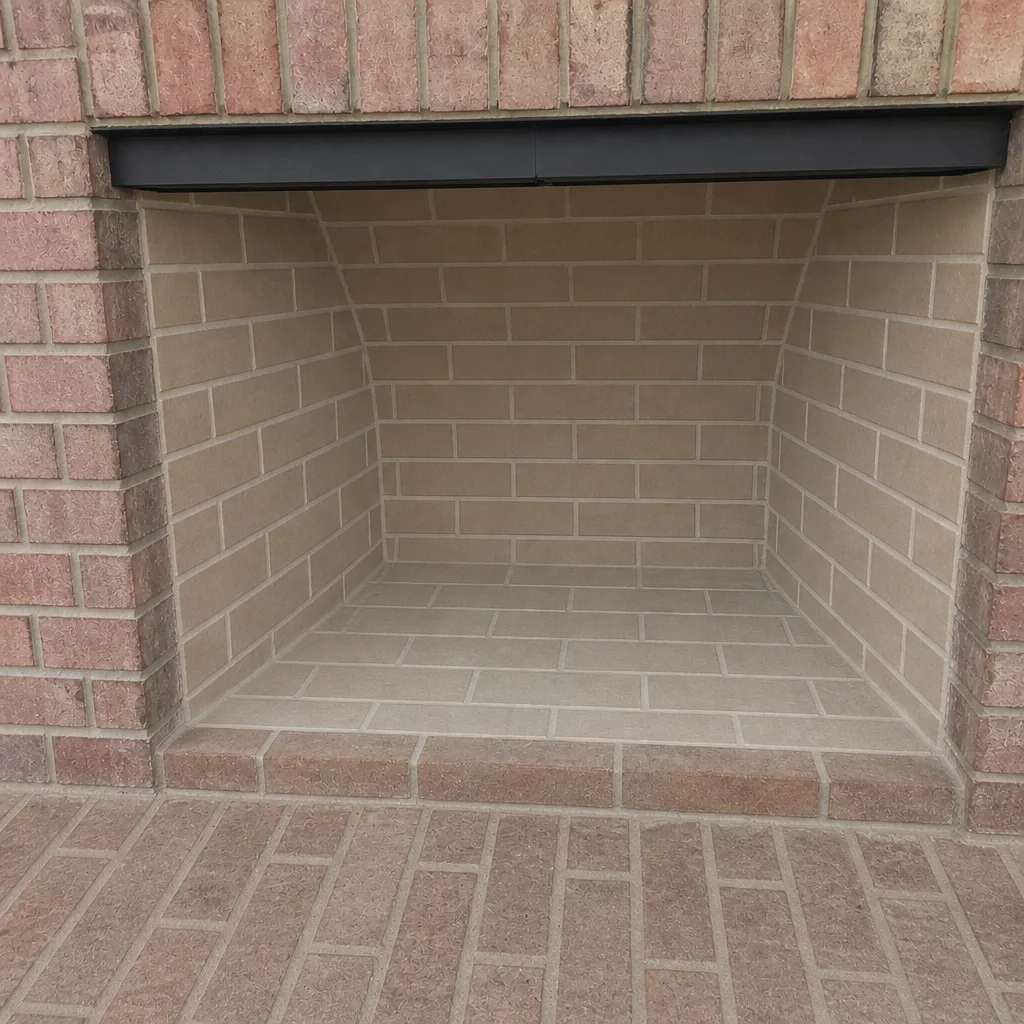 After
When to Call a Professional
Some chimney issues are best handled before you light another fire. Call a professional if you’ve had a chimney fire, even a small one that seemed to put itself out, because the heat can damage a liner in ways that aren’t visible from the hearth. Call if you smell a strong creosote or smoky odor in the house when the fireplace isn’t in use, or if smoke backs into the room when you burn. Call if you see cracked or missing mortar, a damaged crown, a loose cap, or water stains on the ceiling near the chimney. Call if the home has sat empty through a season or changed hands, so a Level 2 inspection can confirm the flue is intact. And call if you simply can’t remember the last cleaning. Chimney Sweep Kingwood offers free estimates in Kingwood. Call (844) 960-2344. We answer 24/7. Fast dispatch from 7am to 7pm, Sunday through Friday.
Frequently Asked Questions
Chimney cleaning in Kingwood is priced per job by a written estimate, and the estimate is free. The final price depends on the flue configuration, the stage of creosote present, and whether debris or cap and crown work is involved. Call (844) 960-2344 for an exact quote. Estimates are free.
Only if a camera scan shows a genuine crack, gap, or deterioration that makes the flue unsafe. A liner should never be recommended without photo evidence you can see. In some cases, a damaged flue can be resurfaced with a HeatShield ceramic restoration system rather than fully relined, which is often the cost-effective path. Ask to see the scan before you decide. Call (844) 960-2344 to book an inspection.
At least once a year for any home that burns wood, and more often if you’re under heavy pine cover or see debris collecting on the roof. Kingwood’s humidity and light-use burn habits can foul a flue faster than expected, so annual is the floor, not the ceiling. Call (844) 960-2344 to schedule.
Creosote keeps building, and glazed deposits restrict airflow, which makes the next fire burn cooler and deposit even more. Over time that raises the risk of a chimney fire and can allow carbon monoxide to back up into the home if the flue becomes obstructed. A camera scan catches the problem before it becomes dangerous. Call (844) 960-2344 for a cleaning and inspection.
A Level 1 is the standard annual visual check after a cleaning, and a Level 2 adds a full video scan of the flue interior. A Level 2 applies after a storm, a long dormant period, a home sale, or a suspected chimney fire. If you’re not sure which one you need, ask before booking. Call (844) 960-2344.
A gas fireplace still needs periodic inspection of the venting, firebox, and components, even though it doesn’t produce creosote the way wood does. If you burn wood at all, the annual cleaning schedule applies to the wood flue. fireplace repair and inspection cover both. Call (844) 960-2344 to book.
The Bottom Line
Chimney cleaning in Kingwood isn’t a generic task. The humid Gulf Coast air, the oak and pine canopy, and the light, cool fires most homeowners burn add up to fouling patterns a national checklist won’t predict. A real cleaning means mechanical removal of creosote and debris, a camera scan you can see, a photo report, and a clear answer on whether any repair is genuinely needed or can safely wait. Once a year is the minimum, and a Level 2 inspection after a storm or dormant season keeps the flue confirmed sound. If you want a straight answer about what your chimney actually needs, we’re here to give it. Call (844) 960-2344 for a free estimate. We answer 24/7. Fast dispatch from 7am to 7pm, Sunday through Friday. For the full scope of our services, start with Chimney Sweep Kingwood.
Written by the team at Chimney Sweep Kingwood.