
Last updated November 22, 2026
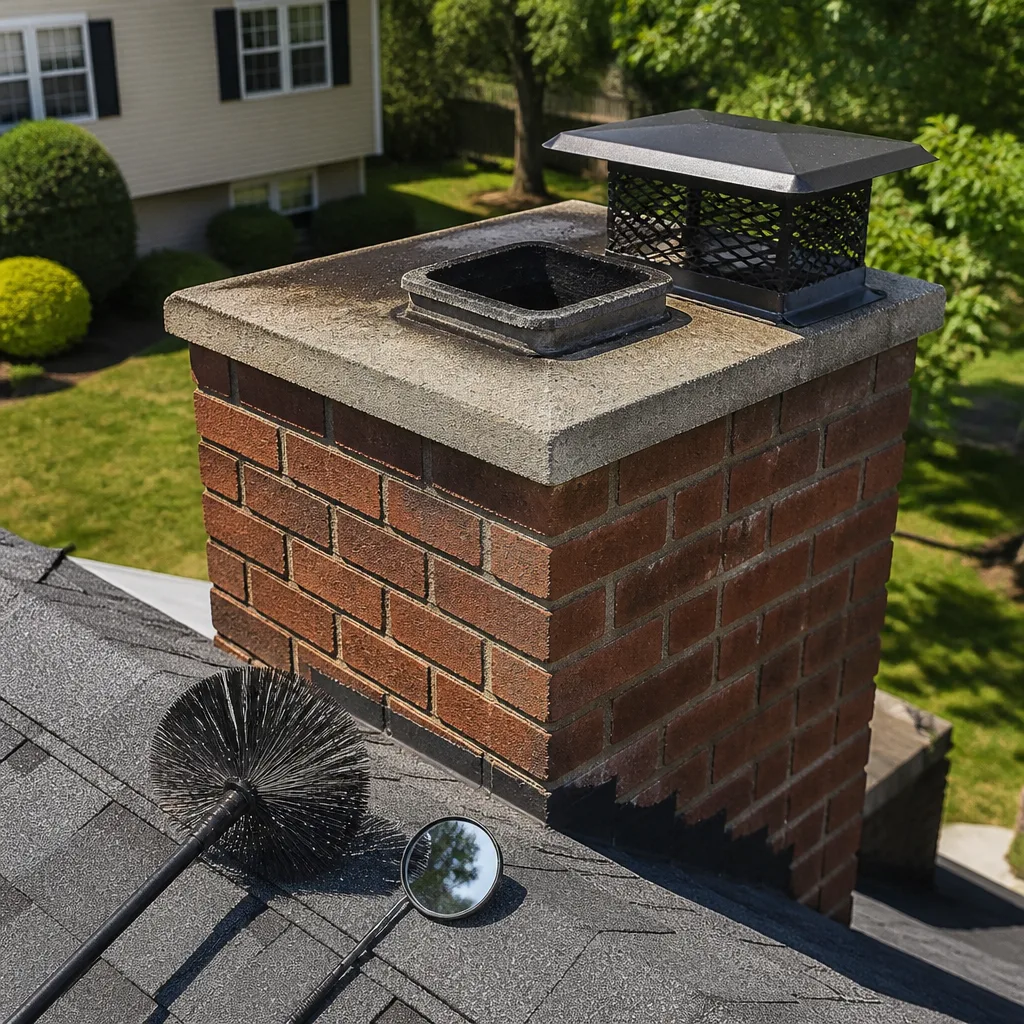 Sweep & inspection
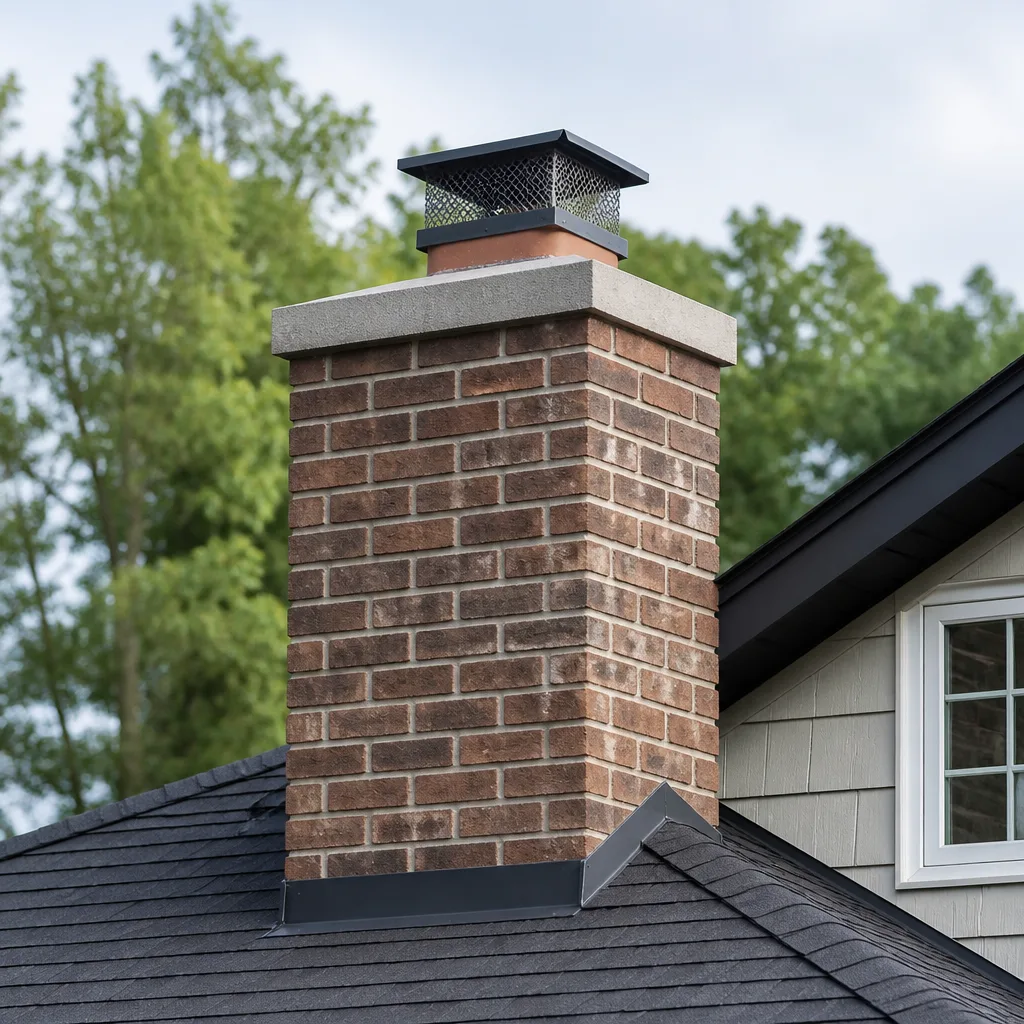 Caps & crowns
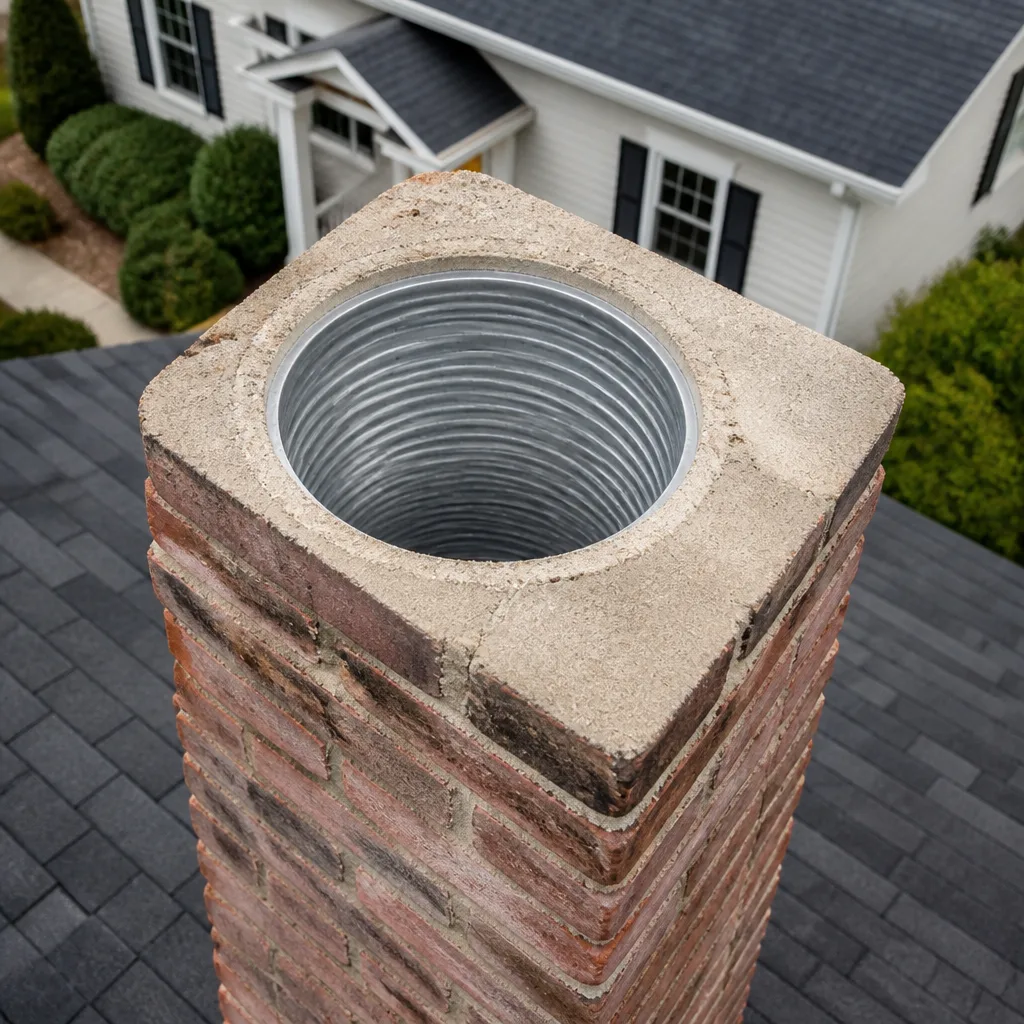 Flue relining
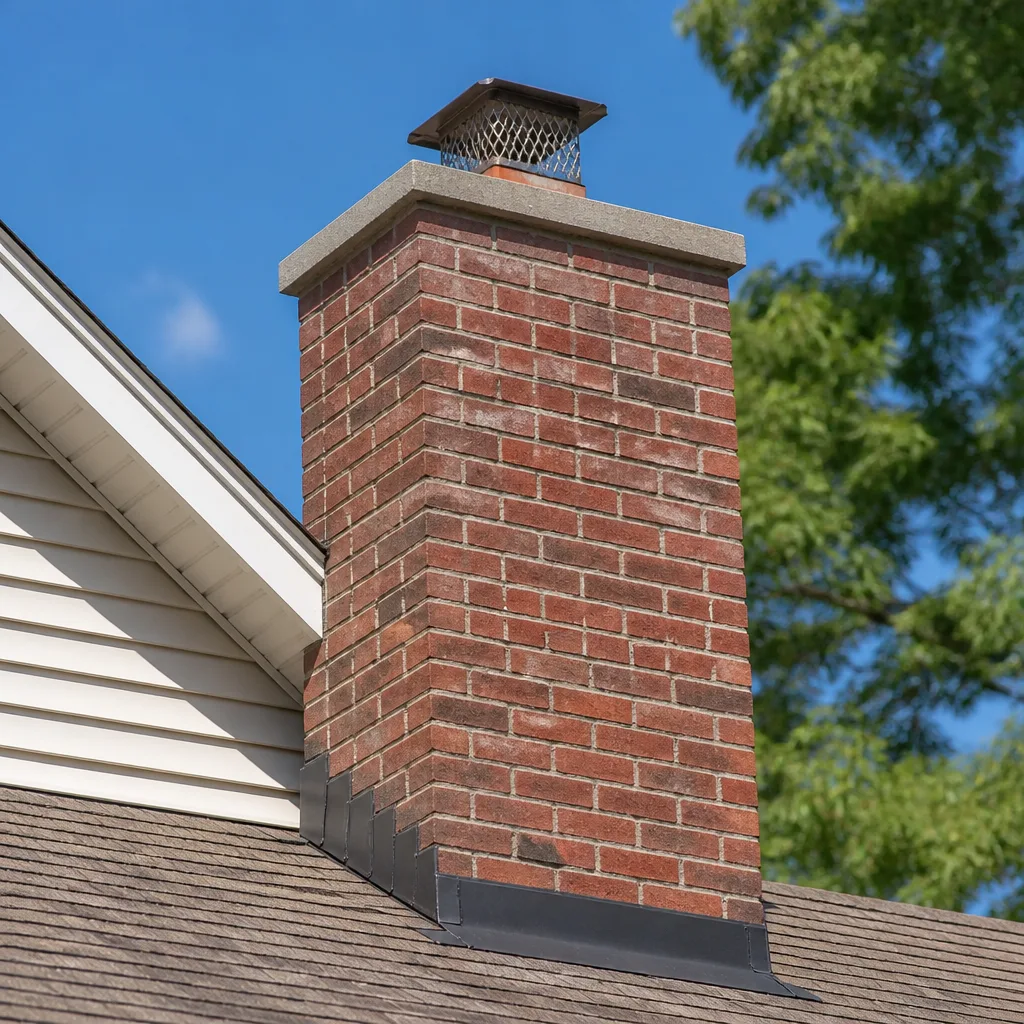 Masonry repair
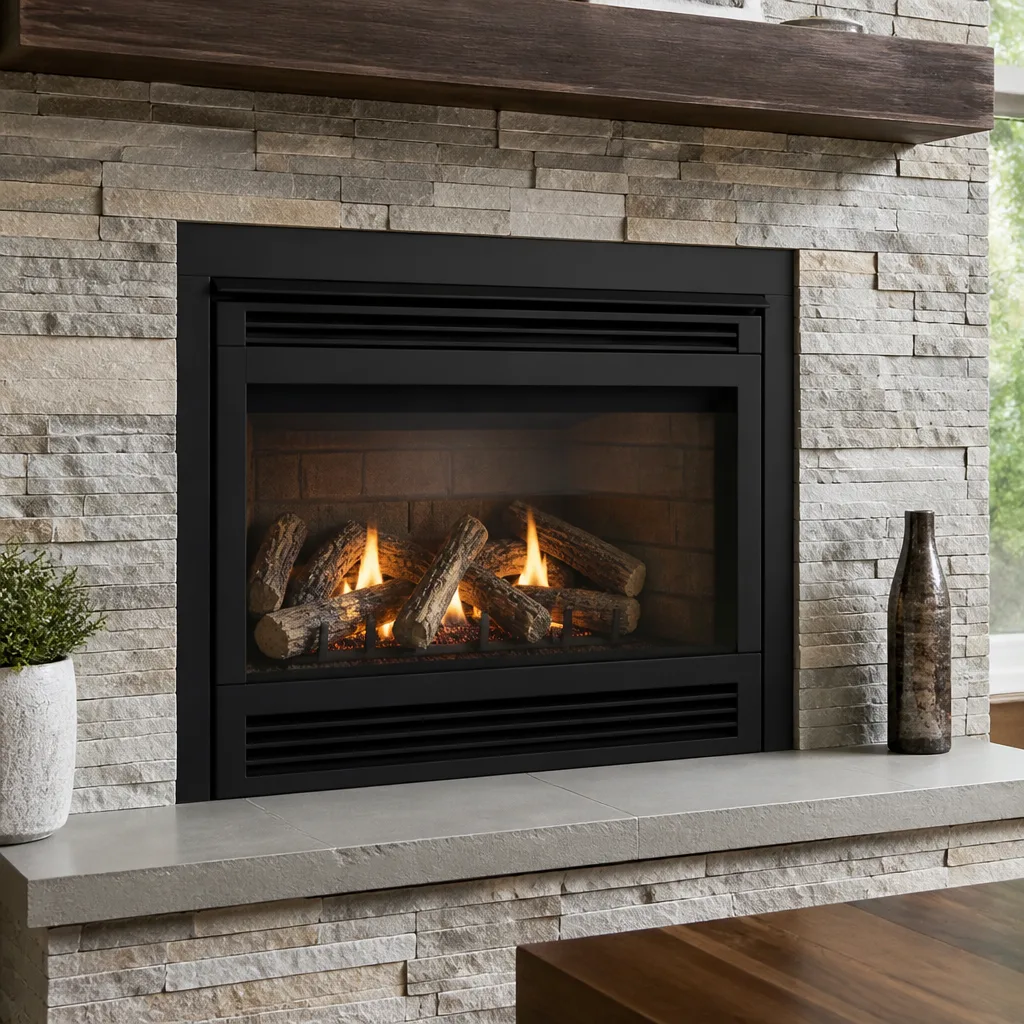 Gas fireplace service
Level 1 sweep and inspection to the NFPA 211 annual standard - flue, crown, cap, and flashing checked and photographed
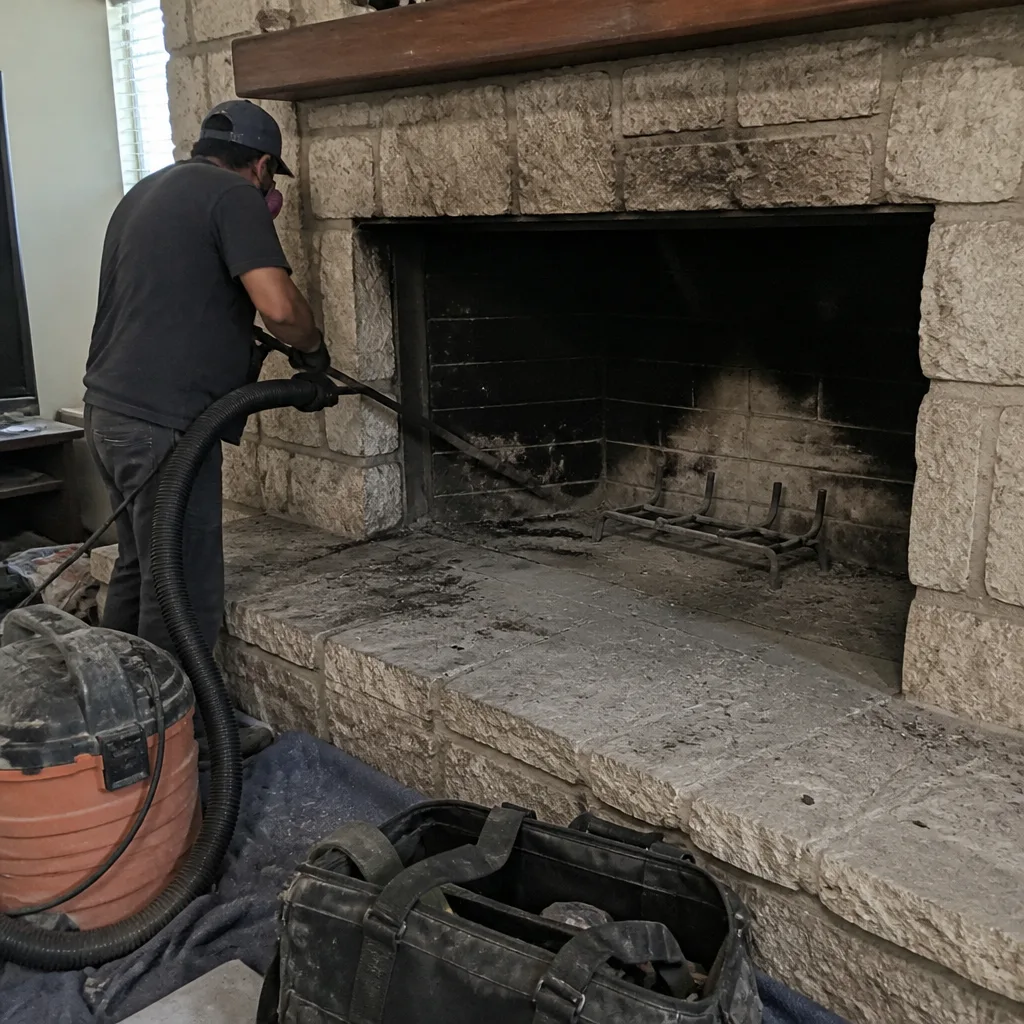
Chimney sweep logs do not sweep chimneys. They loosen some creosote - which then falls where a brush and vacuum still have to collect it.
Chimney Cleaning Emergency Preparedness Guide for Kingwood Homes
A chimney fire doesn’t always announce itself with visible flames. Many burn inside the flue at temperatures above 2,000°F, and the only signs a Kingwood homeowner might notice are a low roaring sound, a vibration in the chimney, or an unusual heat coming off the fireplace surround. That gap between what people expect and what actually happens is the reason this guide exists. What follows covers the two kinds of chimney emergencies Kingwood homes face, acute events and weather-driven storm damage, and gives you a clear response for each one. You’ll learn what to do in the first minute of a chimney fire, when to call 911, how to spot carbon monoxide trouble tied to your chimney, and how to document everything for an insurance claim.
Quick Answer
Chimney emergencies in Kingwood fall into two categories: acute events like a flue fire or a carbon monoxide backdraft, and storm-driven damage like a displaced cap or cracked crown after a hurricane or severe thunderstorm. For a suspected chimney fire, call 911 first, then close the glass doors and get everyone outside. For storm damage, don’t climb the roof; secure the fireplace opening, photograph everything, and book a professional inspection. Most chimney emergencies are survivable and repairable when you respond in the right order.
Styles & brands we work with
- Sweep & inspection
- Caps & crowns
- Flue relining
- Masonry repair
- Gas fireplace service
Table of Contents
- Two Kinds of Chimney Emergencies in Kingwood
- What to Do in the First 60 Seconds of a Chimney Fire
- Carbon Monoxide and Your Chimney: The Risk Most Homes Miss
- Post-Storm Protocol: After a Hurricane or Severe Thunderstorm
- How to Temporarily Secure a Compromised Chimney Opening
- What to Document After a Chimney Emergency
- Prevention: Preparing Your Chimney Before the Next Emergency
- Common Mistakes to Avoid
Two Kinds of Chimney Emergencies in Kingwood
The first step in any preparedness plan is knowing which type of emergency you’re dealing with, because the response is different. Acute emergencies happen fast and involve combustion: a chimney fire igniting inside the flue, or carbon monoxide backing into the living space. Weather-driven emergencies are slower and structural: a storm rips off a cap, cracks a crown, or tears flashing away from the roofline, and suddenly your flue is open to rain, pests, and debris.
The distinction matters because the first minute of an acute emergency is about the people in the house. You call 911, you get everyone out, you don’t fight the fire yourself. The first minute of a weather emergency is about the building. You don’t put yourself on the roof. You contain what you can from the ground or from inside, and you wait for a qualified professional to respond.
In Kingwood, both kinds of emergencies are realistic. Hurricane season and severe spring thunderstorms reliably bring the storms that damage caps and crowns, and the long heating season from late fall through early spring is when creosote buildup inside flues gets its chance to ignite. A solid plan covers both.
- Acute emergencies: chimney fire, flue collapse, visible smoke or flames entering the living space, signs of CO exposure.
- Weather emergencies: cap blown off, crown cracked, flashing breach, water intrusion after a storm, animal or debris infiltration where a cap used to be.
What to Do in the First 60 Seconds of a Chimney Fire
A chimney fire is measured in seconds, and the correct response is not intuitive. Many homeowners instinctively want to open the damper wider to “let the fire out” and relieve the pressure. That’s exactly backward. Opening the damper feeds more oxygen into a fire already burning at extreme temperatures inside the flue. The correct sequence is the one that gets people clear and lets the fire starve.
- Call 911. Even if the fire appears to go out, call. A chimney fire can reignite or spread into framing hours later, and firefighters need to be on their way while you’re still dealing with what’s happening inside.
- Close the glass doors on the fireplace if they’re open. This cuts the air supply from the room and contains any embers that spill back into the firebox.
- Get everyone and every pet outside. Do not stop to save belongings. Once out, stay out until the fire department clears the home.
- Do not open the damper wider. If the damper is open, leave it; if it’s closed, don’t change it. Do not add water from inside the firebox; the sudden steam and pressure can crack the flue.
- Keep the building closed up after the fire is out. A cold chimney drafting the wrong way can pull lingering smoke and CO back in. Wait for the all-clear from firefighters.
You can self-manage a very small chimney fire if you’re certain it’s out, everyone is safe, and the fire department has been notified. You cannot self-manage a large one. Any roaring sound, any shaking of the chimney structure, any visible flame from the top of the chimney, and you’re in 911 territory. Do not re-light the fireplace after a suspected chimney fire, even if everything looks normal, until a professional inspection confirms the flue is intact. Creosote fires can crack the liner from the inside with no visible sign from the room.
Understanding what your flue looks like when it’s healthy helps you spot a burned one. Our Chimney Sweep Kingwood team can walk you through inspection findings so you know exactly what you’re looking at.
Carbon Monoxide and Your Chimney: The Risk Most Homes Miss
Carbon monoxide is the quieter emergency. There are no visible flames, no roaring sound, no heat off the surround. What makes chimney-sourced CO especially dangerous is that it often builds slowly, and the early symptoms feel like an ordinary seasonal illness. Headache, fatigue, nausea, dizziness, and a vague sense of being unwell are the classic low-level exposure signs. Whole households have mistaken them for flu or allergies before realizing the chimney was the source.
Chimney backdraft is the mechanism to understand. A chimney drafts by pulling air up and out through the top. When that draft reverses or stalls, exhaust from the fireplace or gas appliance flows back into the room instead. The conditions that trigger it are specific:
- Blocked flue. Nesting material, a collapsed liner section, or heavy creosote restricts the flow.
- Cracked or deteriorated liner. Air escapes through the cracks before reaching the top and CO can leak into the surrounding structure.
- Negative pressure in the home. A tightly sealed modern home with a strong kitchen or bath exhaust fan can pull chimney exhaust back inside.
- Damaged cap or crown. A storm-displaced cap changes the airflow over the flue and can stall the draft.
- Fireplace not drafting on cold start. The flue is cold and full of dense air; the first fire struggles to establish an upward flow.
Detector placement is where most Kingwood homes fall short. A CO detector in a hallway near the bedrooms is not enough if it doesn’t pick up chimney-sourced CO. Place a detector on every level of the home, in the room with the fireplace or gas appliance, and near sleeping areas. Test them before the heating season starts, and check the battery more often than the manufacturer recommends if your fireplace runs heavily. A detector that alarms near the fireplace means shut down the appliance, open windows, get everyone out, and call 911 from outside.
Post-Storm Protocol: After a Hurricane or Severe Thunderstorm
Storms that come through Kingwood do real work on chimneys, and not always the obvious kind. A blown-off cap is easy to spot. A hairline crack in a masonry crown after a storm is not, and neither is a slow flashing breach that only shows up as a water stain weeks later. The point of a post-storm protocol is to catch what you can from the ground and get an inspection booked before the damage spreads.
- Do not go on the roof. This is the single most important rule. A wet, wind-damaged roof is genuinely dangerous, and what you can see from the ridge line isn’t worth the risk. If you want to see the chimney, use binoculars from the yard.
- Inspect from the ground. Look at the profile of the chimney against the sky. Is the cap still there? Is the chimney leaning? Are there mortar pieces or brick fragments on the ground below the roofline?
- Look inside the firebox. Shine a light up the flue. If you can see daylight at the top, the cap is gone. Water stains, rust, or debris inside the firebox point to a breach from above.
- Check interior ceilings and walls near the chimney. Dark stains, soft spots, or peeling paint on the ceiling near the chimney chase indicate water intrusion from a crown or flashing failure.
- Do not use the fireplace until inspected. A compromised flue or a missing cap changes how the fireplace drafts and can pull water, debris, or worse into the living space.
After any significant storm in Kingwood, a chimney inspection is cheap insurance against a much larger repair. We tell customers it’s not about finding work, it’s about knowing whether the storm did anything. Most inspections find the chimney is fine. The ones that don’t tend to prevent a nasty surprise later. You can book a chimney cap & crown evaluation as a standalone service, especially if you’re between seasons and just want a check.
How to Temporarily Secure a Compromised Chimney Opening
When a storm takes the cap off and the chimney is open to the sky, you have a window of hours to a day before rain and pests start creating new problems. A professional shouldn’t have to wait for weather to clear to close that opening, and a professional inspection doesn’t need to be able to see the flue to keep water out. What you can do safely from the ground is limited, and doing the wrong thing creates a new hazard.
What works for a temporary cover:
- Heavyweight plastic sheeting over the top of the flue tile, weighted down at the edges with bricks or sandbags that are actually stable in wind.
- A rigid metal pan or scrap plywood sized larger than the opening, laid flat over the top with enough weight to stay put.
What doesn’t work, or creates a new hazard:
- Loose tarp edges that flap in the wind can tear free and become a projectile.
- Plastic bags, shopping bags, or thin film that will disintegrate in UV or wind and end up inside the flue.
- Sealing the top completely while the fireplace is in use. If you’re sealing the top from the ground, don’t run the fireplace. The temporary cover stops water; it doesn’t create a flue.
Before you do anything, call and tell us what happened. When you call, have three things ready: what you saw (cap blown off, crown cracked, flashing torn, etc.), when it happened, and whether the chimney is currently drafting. We answer 24/7 and can talk you through what’s safe to do until a technician arrives. Fast dispatch runs 7am to 7pm, Sunday through Friday, closed Saturday. A temporary cover buys time; it doesn’t replace the inspection and repair that follows.
What to Document After a Chimney Emergency
Insurance claims for chimney damage succeed or fail on documentation, and the window to capture the evidence is short. Storm damage gets cleaned up. Fire damage gets repaired. What you photograph in the first hour is often the strongest part of your claim.
Gather these items immediately after any chimney emergency:
- A written timeline of events. When the fire started or the storm hit. What you saw. What you did. What the fire department said. Write it down while it’s fresh.
- Photos of everything, from multiple angles. The chimney from the ground, the firebox from inside, any damage to the roof or siding near the chimney, the interior ceiling and walls around the chase, and wide shots that show the overall scene.
- Fire department records. Ask firefighters for the incident report number and how to request the full report. This is a formal record that carries weight with adjusters.
- Any receipts. If you bought plywood or tarps to secure the opening, photograph the receipts and the temporary protective materials in place.
- A written post-event inspection report. This is where a qualified chimney professional earns their fee. The report should describe what was damaged, what caused it, and what repair is required. Ask for it in writing and in a form you can send to your insurer. Photos should be included.
One more thing to get right. Insurers are wary of claims where the repair scope keeps expanding after the initial report. A thorough inspection at the outset, with a written scope, tends to close claims faster than a phased approach. That’s part of why we recommend a full inspection rather than a spot repair after a chimney emergency in Kingwood; it gives the adjuster one clear picture.
Prevention: Preparing Your Chimney Before the Next Emergency
The best chimney emergency is the one you don’t have. There’s no single fix, but there is a sequence of maintenance steps that dramatically reduces the odds of both acute and weather emergencies. The most important of these is a professional inspection and sweep before the heating season starts, because creosote buildup is the fuel that turns a small flue fire into a serious one.
Here’s how to prepare your chimney for the year ahead:
- Book a professional inspection and sweep. A qualified technician will assess creosote levels, liner condition, cap and crown integrity, and flashing. Do this annually, ideally before the first fire of the season. A standalone chimney sweep is often enough; a full inspection catches more.
- Install and test CO detectors on every level. Before the first fire, test every unit and replace batteries. If you don’t have a detector in the same room as the fireplace, add one.
- Check the cap and crown from the ground. Binoculars from the yard. A damaged cap lets water, animals, and debris into the flue; a cracked crown lets water into the masonry.
- Keep the area around the fireplace clear. No rugs, furniture, or decorations within the firebox clearance zone.
- Burn properly seasoned wood. Wet or green wood produces much more creosote than dry, seasoned wood. Store wood outdoors and covered.
- Never burn trash, wrapping paper, or cardboard in the fireplace. These produce volatile compounds that accelerate creosote buildup and can create flare-ups.
Beyond the annual inspection, a chimney cap is one of the highest-value protective pieces of equipment on the system. It’s also one that gets torn off in a storm, so inspect it regularly and know that its replacement is a routine service, not a major repair. Our fireplace repair team installs and replaces caps and crowns as part of the full-scope work, so there’s one point of accountability from inspection through repair.
Common Mistakes to Avoid
- Opening the damper wider during a chimney fire. This feeds oxygen to a fire already burning at extreme temperature. The correct move is to close the glass doors and get everyone out.
- Assuming no flames means no fire. Most chimney fires burn inside the flue with no visible flame from the room. A roaring sound, unusual heat from the surround, or a vibration in the chimney are the actual signals.
- Going on the roof after a storm. A wet, wind-damaged roof is a genuine hazard. Inspect from the ground with binoculars, or let a professional do it.
- Sealing the top of the chimney with a plastic bag or thin film. These disintegrate and end up inside the flue. Use a rigid cover with stable weighting, and don’t run the fireplace while it’s in place.
- Skipping the inspection after a small fire. Even a flue fire that appeared to go out on its own can leave a cracked liner. The visible evidence arrives later, sometimes as a CO leak.
- Cleaning up storm damage before documenting it. Photograph everything first. Insurers can’t pay for what you can’t prove was damaged.
- Relighting the fireplace after a suspected chimney fire without professional inspection. The flue can be structurally compromised with no visible sign from inside the firebox.
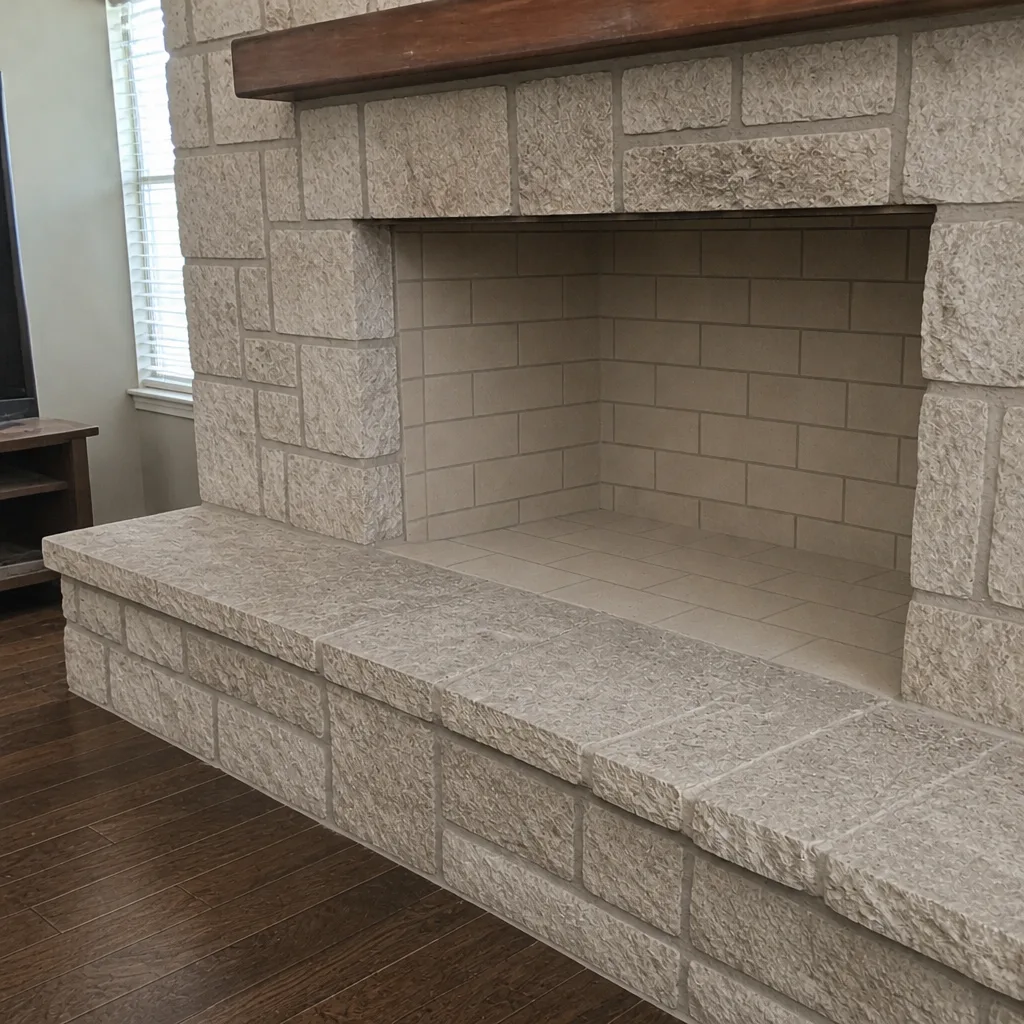
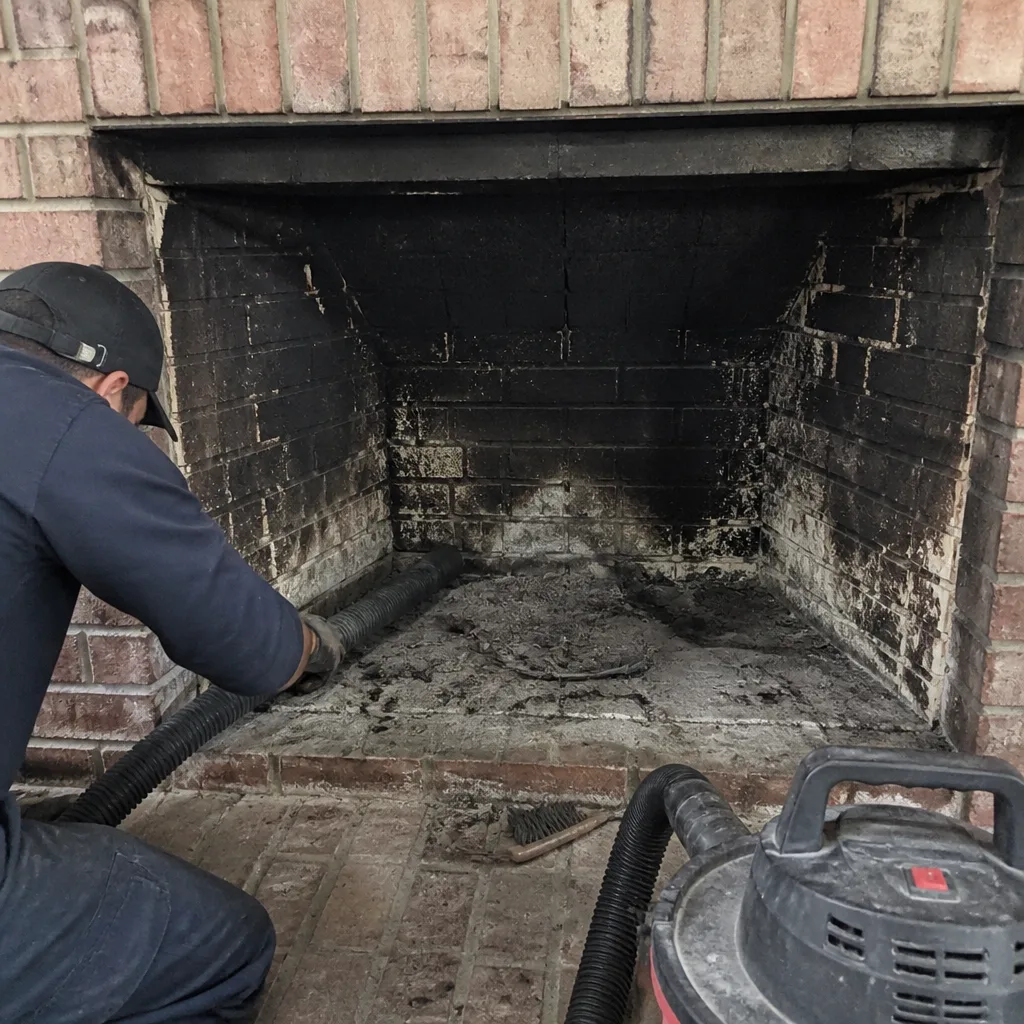
See the difference
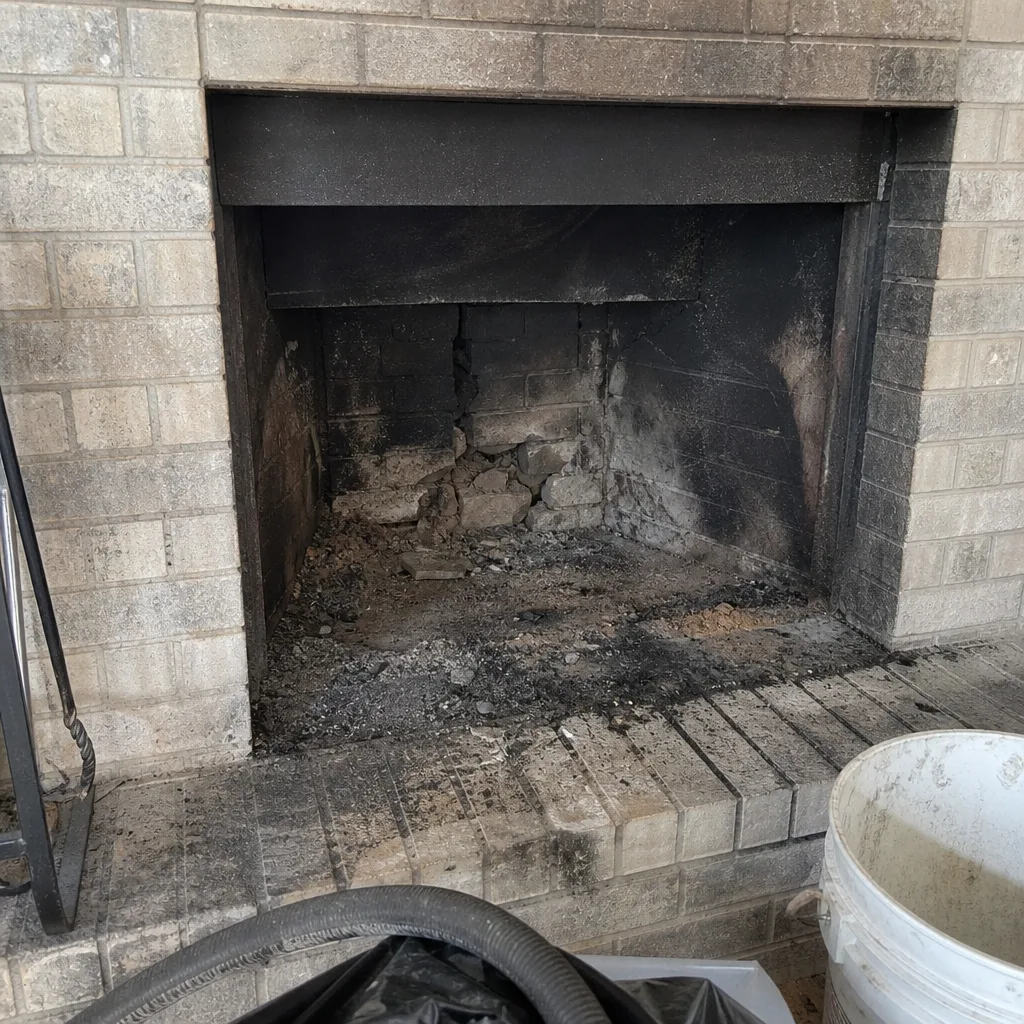 Before
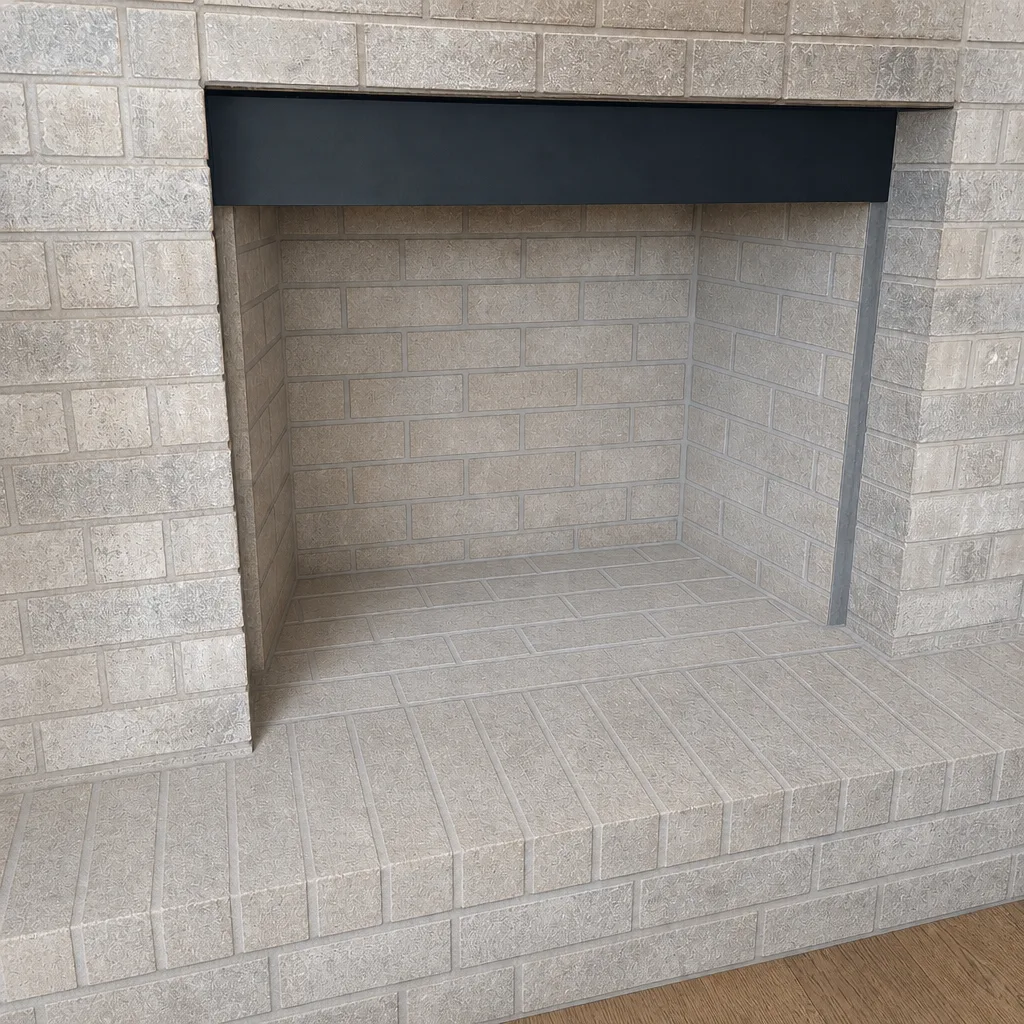 After
 Before
 After
 Before
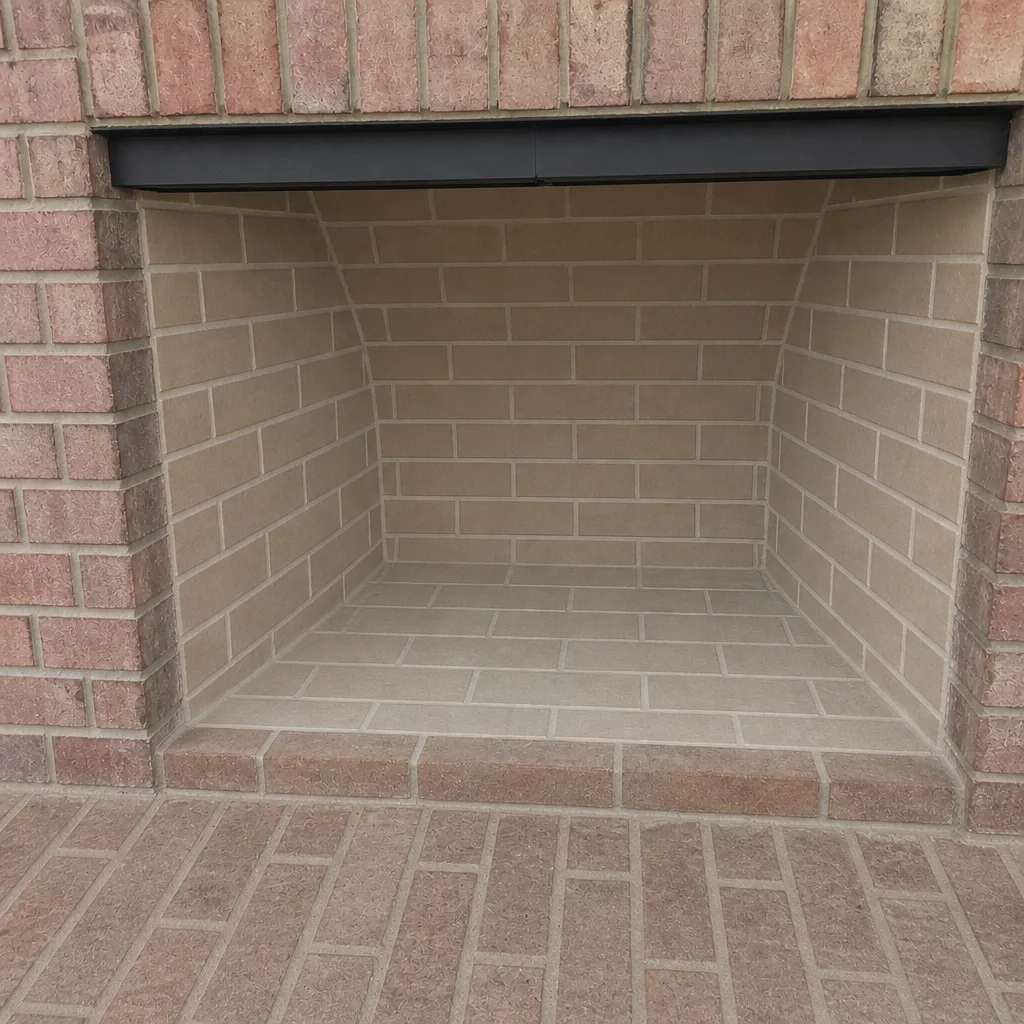 After
When to Call a Professional
Call a professional chimney service immediately if any of these are true: a suspected chimney fire has occurred (even if it seemed to go out); you smell smoke in the house when the fireplace isn’t in use; your CO detector has alarmed anywhere near the fireplace; a storm has visibly damaged the chimney, cap, or flashing; you see water stains on the ceiling or walls near the chimney; or you notice unusual heat, vibration, or sound from the chimney while the fire is running. Book an inspection before the heating season starts if you haven’t had one in the past year. Chimney Sweep Kingwood offers free estimates in Kingwood; call (844) 960-2344 and we’ll talk through what you’re seeing, then schedule a technician. We answer 24/7. Fast dispatch from 7am to 7pm, Sunday through Friday, closed Saturday.
Frequently Asked Questions
Call 911 first, then close the glass doors on the fireplace and get everyone and every pet outside. Do not open the damper wider and do not try to fight the fire from inside the firebox. Stay outside until firefighters give the all-clear and do not relight the fireplace until a professional has inspected the flue.
Trust your CO detector and trust your body. If a detector alarms near the fireplace, treat it as real: shut down the appliance, open windows, get everyone outside, and call 911. If you and your family are experiencing headaches, dizziness, or fatigue at the same time and you can’t explain it, get everyone outside and call a professional to inspect the chimney. Backdraft from a blocked or cracked flue is the most common cause of chimney-sourced CO in Kingwood homes.
Yes, but only weighted down with stable weights and only as a temporary measure. Use heavy plastic sheeting or a rigid cover, weight it so it can’t flap loose in wind, and don’t run the fireplace while it’s in place. Don’t use plastic bags or thin film, which will tear and end up inside the flue. Then book an inspection; a temporary cover stops water, not the underlying problem.
Photograph the chimney from the ground, the firebox interior, any damage to the roof or siding near the chimney, the interior ceiling and walls around the chase, and wide shots that show the whole scene. Get the fire department incident report number if there was a fire. Then request a written post-event inspection report from the chimney professional, with photos included, to submit to your insurer.
Once a year for most homes, and before the heating season starts so you have a clean baseline. Homes that burn heavily, use wet or unseasoned wood, or have older flues may need more frequent sweeping. A professional inspection will tell you the creosote level and how frequently you should sweep. Call (844) 960-2344 to schedule a sweep and get an exact quote on anything the inspection turns up.
Most of the time, yes, but an inspection is the only way to be sure. Storm damage to a crown or flashing is often invisible from the ground and only shows up as a water stain weeks later. If a storm has been through, look at the chimney with binoculars from the yard and check the ceiling and walls near the chase for stains. If anything is off, book an inspection before the next fire.
The Bottom Line
Chimney emergencies in Kingwood come in two forms: fast, dangerous events like chimney fires and carbon monoxide backdraft, and slower weather-driven damage from hurricanes and severe thunderstorms. The response to each is different and specific. For a fire, call 911, close the glass doors, get everyone out, and don’t open the damper. For storm damage, don’t go on the roof, secure the opening temporarily, photograph everything, and book an inspection. A professional sweep and inspection before the heating season, tested CO detectors on every level, and a written post-event report for insurance are the three moves that prevent most of these emergencies in the first place. When in doubt, call. An inspection is cheap; a compromised flue is not.
From sweep to structural repair, we handle the whole chimney system in one place so you’re not coordinating between contractors after a stressful event. Call (844) 960-2344 for a free estimate. We answer 24/7. Fast dispatch from 7am to 7pm, Sunday through Friday, closed Saturday.
Written by the team at Chimney Sweep Kingwood.