
Last updated November 22, 2026
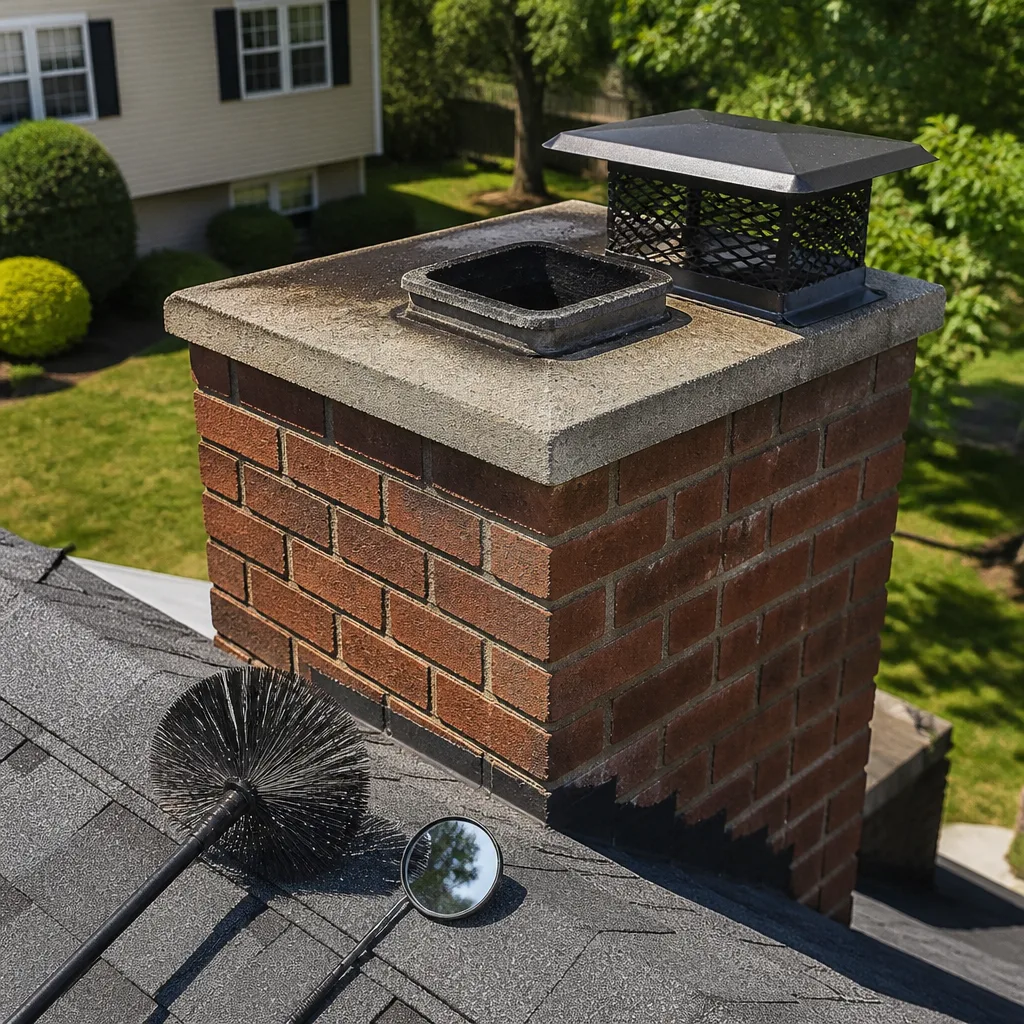 Sweep & inspection
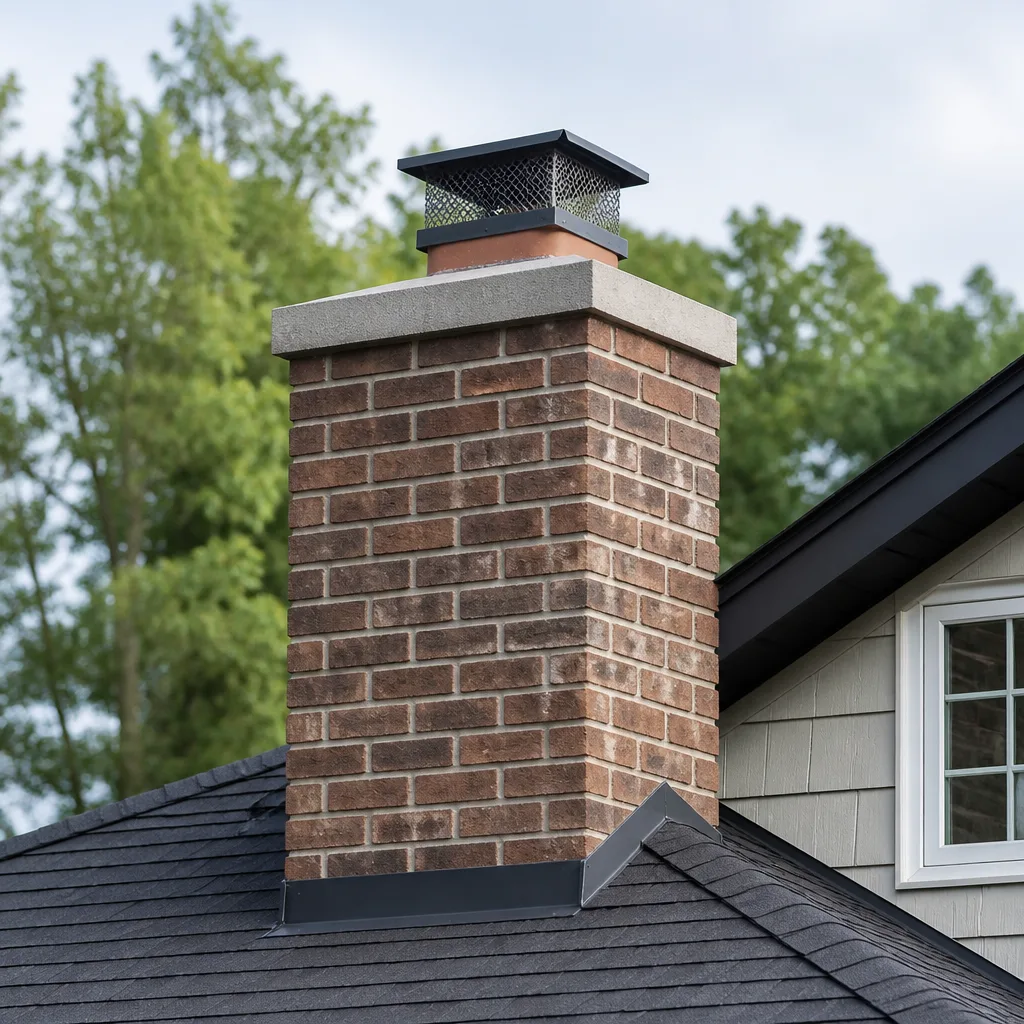 Caps & crowns
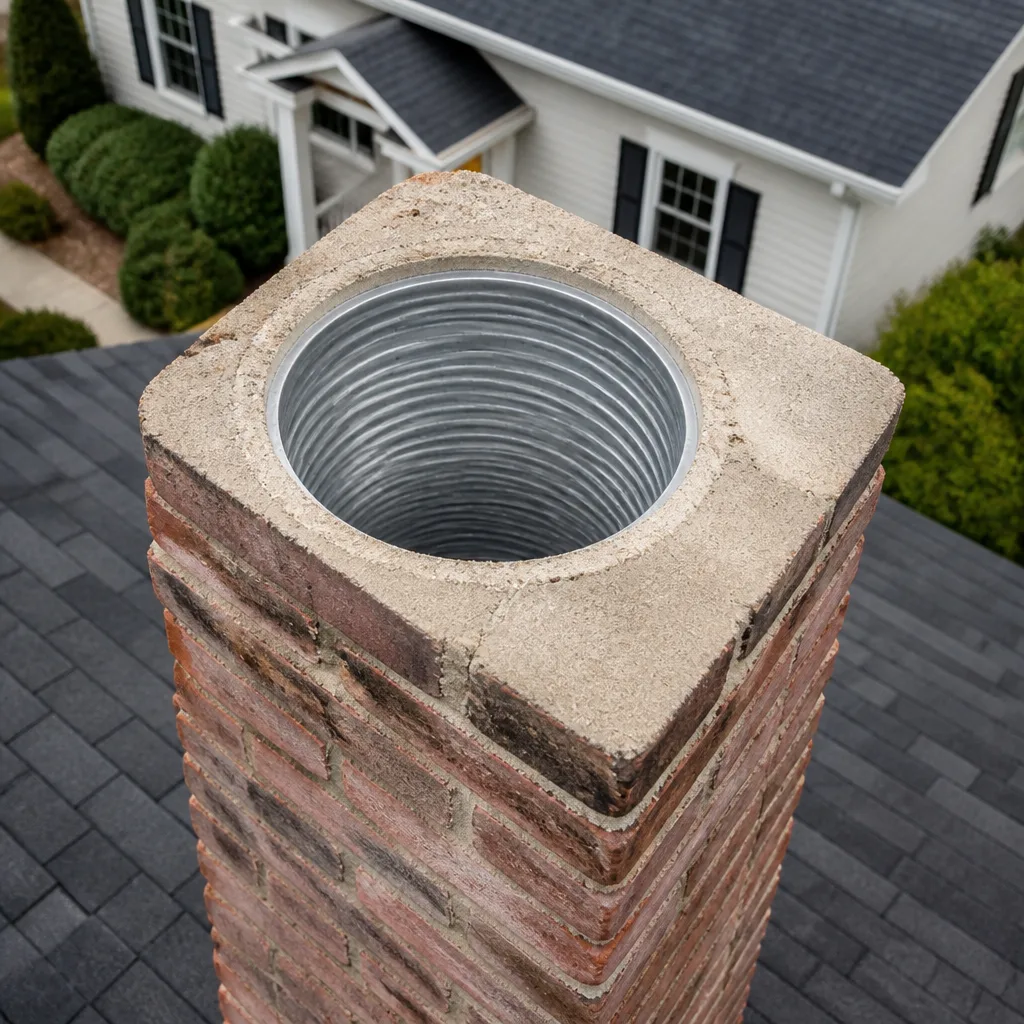 Flue relining
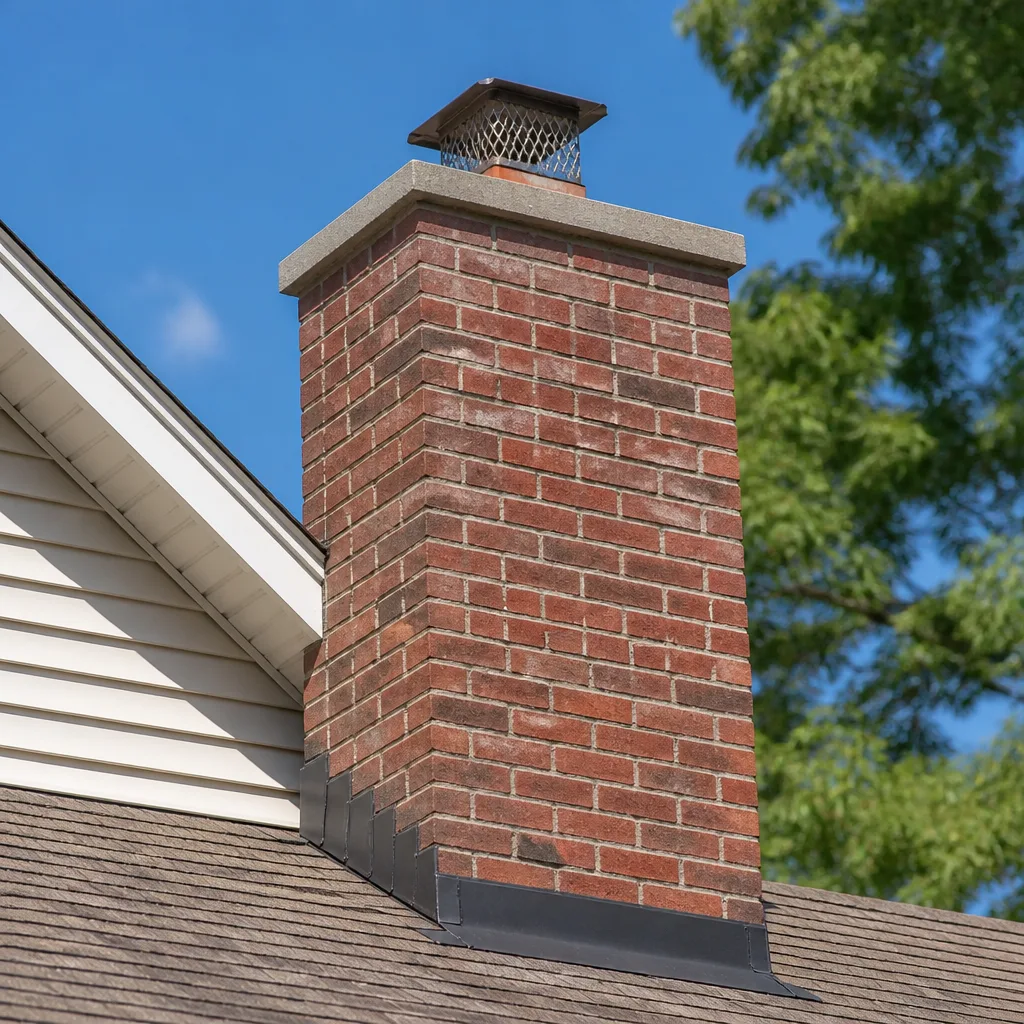 Masonry repair
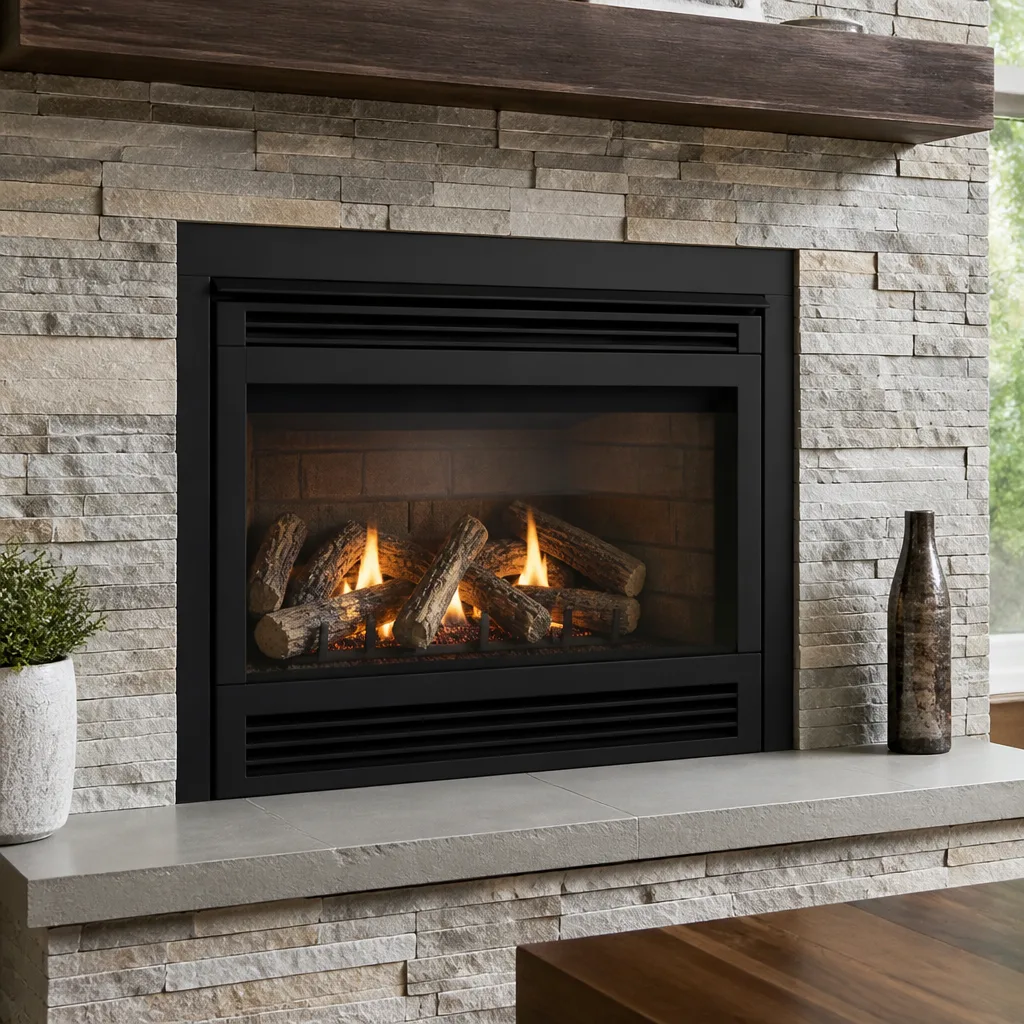 Gas fireplace service
Level 1 sweep and inspection to the NFPA 211 annual standard - flue, crown, cap, and flashing checked and photographed
Chimney sweep logs do not sweep chimneys. They loosen some creosote - which then falls where a brush and vacuum still have to collect it.
Chimney Cleaning Cost Breakdown: The Kingwood Homeowner’s Reference for 2026
The $89 chimney cleaning special you see advertised around Kingwood covers a basic sweep of a straight single-flue chimney. That’s it. The moment your home has a second story, an offset flue, or creosote that has climbed past the first stage, that advertised price becomes a starting point, not a final number. This isn’t a trick. It’s just how chimney work scales with the shape and condition of what’s actually inside your walls. What follows is an honest, line-by-line look at what chimney cleaning and related services cost in the Kingwood market for 2026, what drives those prices up or down, and how to read a bid so you can tell a fair quote from a padded one. By the end, you’ll know exactly what you’re paying for and why.
Quick Answer
A standard chimney sweep in the Kingwood area typically runs $150 to $300, while a Level 2 inspection with photos usually adds $100 to $250 on top. Creosote treatment, cap and crown work, and liner repair each carry their own price ranges that we break down below. Most Kingwood homeowners spend between $200 and $450 for routine annual care, and significantly more only when a specific problem shows up on camera.
Styles & brands we work with
- Sweep & inspection
- Caps & crowns
- Flue relining
- Masonry repair
- Gas fireplace service
Table of Contents
- What Actually Drives Chimney Cleaning Costs in Kingwood?
- Line-Item Cost Breakdown for 2026
- Creosote Stages and What Treatment Costs
- Level 1, 2, and 3 Inspections Explained
- How to Read a Chimney Bid Document
- The True Cost of Putting Off a Cleaning
- What Legitimate Price Variation Looks Like
- Common Mistakes to Avoid
What Actually Drives Chimney Cleaning Costs in Kingwood?
Chimney cleaning prices in Kingwood are shaped by the structure of the homes here far more than by the sweep’s hourly rate. A lot of Kingwood housing was built across the 1970s through the 1990s in subdivisions like Elm Grove, Kings Point, and Foster’s Mill, and many of those homes share a few traits that push a “simple” sweep into a longer job.
- Two-story flue runs. A second-story fireplace means a longer flue, more brush passes, and more time on the roof. Long flue runs are the single biggest reason a Kingwood quote lands above the advertised minimum.
- Offset flues. Plenty of mid-century and late-20th-century subdivisions routed the flue at an angle to clear a roofline or interior wall. Offsets require flexible tooling and more careful work, and they’re a common reason a straight-brush special doesn’t apply.
- Creosote condition. A lightly glazed flue sweeps clean. Glazed or puffy creosote takes chemical treatment and multiple visits, and that’s where the price really moves.
- Chimney height and access. A tall chimney set back from the roof edge takes longer to reach and work around safely than a short stack on a low roof.
- Post-storm inspection. After a heavy spring thunderstorm rolls through the Kingwood area, more homeowners call for a look at caps, crowns, and flashing. The inspection itself isn’t priced higher, but storm-related findings (a cracked crown, a displaced cap) add scope that a routine sweep wouldn’t include.
None of this is Kingwood-specific in a way that no other town shares, but the local housing mix concentrates these factors. A sweep quoting from a truck in a newer development may never have seen an offset flue all week; here, it’s routine. That’s why the price you’re quoted on the phone and the price on the written estimate can differ, and why a written estimate, not a phone number, is the only figure that matters.
Line-Item Cost Breakdown for 2026
Here’s the part most cost guides skip. Below is a realistic 2026 price range for each service tier in the Kingwood and greater Houston market. Treat every figure as an estimate. The written estimate from the professional who actually looks at your chimney sets the final price.
- Standard chimney sweep (single straight flue, Stage 1 creosote): typically $150 to $300. This is the baseline. If your chimney is straightforward, this is your number.
- Sweep with offset or two-story flue: typically $200 to $400. The extra reflects time and tooling, not a different service.
- Level 1 inspection (visual, included with many sweeps): often $0 to $100 when bundled with a sweep; $100 to $175 standalone.
- Level 2 inspection (camera, photos, report): typically $200 to $350 standalone. This is the inspection you want before buying a home or after any chimney event.
- Level 3 inspection (diagnostic, may require opening a wall): typically $400 to $800-plus depending on access. Rare, and only when a Level 2 finds something that can’t be seen otherwise.
- Creosote chemical treatment (Stage 2): typically $250 to $500 per treatment, sometimes needing more than one visit.
- Chimney cap replacement: typically $150 to $450 depending on size and material.
- Crown coat or crown repair: typically $300 to $700.
- Liner repair or spot relining: typically $500 to $1,200. Full relining is a bigger number and discussed below.
When we put together a quote, we’re trying to match each of these line items to what your chimney actually needs. If a bid hands you one lump sum with no breakdown, ask for the itemization. A professional can produce it. Whether it’s a straightforward sweep, a chimney cap & crown job, or a fireplace repair, the breakdown should be visible before you agree to anything.
Creosote Stages and What Treatment Costs
Creosote is the residue that builds up inside a flue as wood smoke cools on its way up. It comes in three broadly recognized stages, and each stage changes what a cleaning costs and how urgent it is.
- Stage 1 – soot and light flake. This is the normal, annual accumulation for a wood-burning fireplace that’s used regularly. A standard sweep removes it, and this is where the base price applies.
- Stage 2 – glazed, hardened creosote. The residue has baked onto the flue walls and won’t come off with a brush alone. Treatment involves chemical creosote removers and often more than one visit. Expect the sweep price to rise into the $400 to $700 range depending on flue length and severity.
- Stage 3 – puffy, heavily glazed creosote. At this point the flue is close to a real fire hazard. Removal is slow and careful, and the professional may recommend that the flue be relined afterward because the cleaning process can damage an already-compromised liner. This is the most expensive tier, and it’s the one worth avoiding by cleaning annually.
We’re not sharing this to alarm you. We’re sharing it because the cost difference between catching Stage 1 on a yearly schedule and letting it build to Stage 3 is dramatic, and it’s the single biggest factor a homeowner controls. If you’ve never had your chimney swept, or you’ve just moved into a Kingwood home where the previous owner’s habits are unknown, a camera inspection tells you which stage you’re starting from. From there, the estimate is straightforward.
One more thing worth saying plainly: glazed creosote is flammable, and a chimney fire can start without a homeowner noticing. That’s the real reason cleaning matters, not the cosmetic residue on the firebox walls. When our team recommends treatment, we recommend it because the camera shows what the camera shows.
Level 1, 2, and 3 Inspections Explained
Chimney inspections come in three levels, and knowing which one you need prevents paying for more than necessary, or less than you need. Here’s how the levels break down.
- Level 1 inspection. A visual check of readily accessible parts of the chimney and venting, with no tools that do damage. This is what a routine annual check looks like. It’s often included with a sweep.
- Level 2 inspection. Everything in Level 1, plus a camera run through the flue, with photos and a written report. Level 2 is the standard for a real-estate transaction, after a chimney fire, after a chimney has been exposed to a significant event, or when you’ve changed fuel types or appliance. It’s also the level that actually catches liner cracks and offset-flue problems.
- Level 3 inspection. A diagnostic inspection that may involve opening walls or removing parts of the chimney to reach a hidden problem. It’s only recommended when a Level 2 has identified something specific that needs to be seen directly.
For most Kingwood homeowners, a Level 1 bundled with an annual sweep covers routine care. A Level 2 makes sense whenever there’s an open question: a recent home purchase, a chimney that hasn’t been touched in years, or symptoms that a sweep alone won’t explain. Inspections are also available as a standalone service, which is useful if you’re in the middle of a real-estate transaction or just want a safety check before the burning season arrives.
How to Read a Chimney Bid Document
A written bid should be readable by someone who isn’t a chimney professional. If it isn’t, ask questions before signing. Here’s how to walk through one.
- Look for a clear scope statement. The bid should say what’s being done: sweep, inspection level, treatment, cap, crown, liner. If any of those words appear without an explanation, ask for one.
- Separate “safety” line items from “preventive” line items. Blocked flues, cracked liners, and failed crowns are safety issues and non-negotiable. Cosmetic re-coating or upgrades are preventive; they can usually wait.
- Check the inspection level. A bid that recommends liner work without a Level 2 inspection and photos hasn’t shown its work. You should see the evidence before you approve the scope.
- Ask for itemization if you get a lump sum. A single number isn’t a bid, it’s a guess. The professional who can explain each line can also defend each line.
- Compare scopes, not totals. A $250 bid and a $500 bid for the same chimney usually differ because one includes a Level 2 inspection and one doesn’t. Line the scopes up side by side and the price gap explains itself.
In our experience, the homeowner’s real worry isn’t the price. It’s being told they need thousands of dollars of liner or masonry work they have no way to verify. So here’s our rule: nothing is recommended without camera evidence a homeowner can see for themselves. If the camera shows a problem, we show you. If it doesn’t, we tell you when work can safely wait. That’s what “we tell you what your chimney actually needs” means in practice.
The True Cost of Putting Off a Cleaning
Skipping a year of chimney cleaning rarely saves money. It usually just shifts the cost forward and multiplies it. Here’s the math on what deferring actually does to your wallet.
- Catch it at Stage 1 (annual): standard sweep, $150 to $300, with occasional cap and crown checks in the same visit. This is the cheapest a chimney ever gets.
- Let it reach Stage 2 (two or three seasons without cleaning): chemical treatment plus sweep, typically $400 to $700, sometimes requiring a return visit. The creosote that would have swept out in twenty minutes now takes hours.
- Let it reach Stage 3 (many seasons without cleaning): careful chemical removal plus a follow-up inspection, plus the distinct possibility that the flue liner needs repair or replacement afterward, which is a separate $500 to $1,200-plus line item. The full scope can climb well past $1,000 before the chimney is back in routine-care condition.
Beyond the direct cost, there’s the safety question. A heavily glazed flue is a fire risk. A compromised liner can let combustion gases into the home. Both of those are reasons professional inspection precedes any repair decision, but the deeper reason to clean annually is that you never have to find out the hard way. Annual sweeps are the cheapest insurance you can buy on a wood-burning appliance, and they come with the bonus of a camera inspection each time.
If you’re reading this having not cleaned your chimney in a while and wondering whether you’re past the point of a simple sweep, you don’t need to guess. A chimney sweep with a camera inspection answers that question in a single visit.
What Legitimate Price Variation Looks Like
A $300 spread between two bids for the same chimney startles a lot of homeowners. It shouldn’t. In our experience, that spread usually reflects scope, not contractor greed or gouging. Here’s what legitimate variation looks like.
- Inspection level. One bids a sweep alone, the other bids sweep plus a Level 2 inspection with photos. The gap is the inspection, and it’s legitimate.
- Offset or two-story flue recognition. A bid built on a phone description may miss the offset. A bid built on an in-person look won’t. The second bid is higher because it’s more accurate.
- Material choice. Caps, crowns, and liners come in different materials at different price points. Gelco and Olympia Chimney products sit at different positions in the market, and the bid should say which one is being installed and why.
- Creosote assessment. A professional who’s seen the flue up close can price the treatment accurately. A phone quote can’t, and the low phone quote is often the one that changes at the door.
- Repair readiness. A company with a Chimney Sweep Kingwood crew that can handle cap, crown, and liner work in-house avoids subcontracting. That can show up as a slightly higher number for a job that doesn’t come back to you in pieces.
What legitimate variation does not include: a quote that changes the moment the technician is on the roof, pressure to sign on the spot before a “discount expires,” or a recommendation for liner work with no photos of the liner. Those are red flags. A fair bid is written, itemized, evidence-based, and can be taken home to read.
Common Mistakes to Avoid
- Booking the cheapest advertised price without asking what it covers. The $89 special around Kingwood covers a straight single-flue sweep. If you have an offset flue or a two-story run, you’ll pay more, and that’s normal.
- Approving liner work without photos. Ask to see the camera images before agreeing to liner repair. A professional will show you. If they won’t, that’s your answer.
- Skipping the inspection because the sweep “looked fine.” A sweep cleans visible creosote. The inspection finds hidden liner cracks and offset damage, which is exactly the part that matters.
- Waiting to be told you need work. After a spring storm, ask for a look at the cap and crown. A displaced cap or cracked crown is easier and cheaper to fix early.
- Using the same contractor for every home you own without checking the scope. A bid that worked for a smaller, newer house may be undersized for a two-story Kingwood home with a long offset flue.
- Reading only the total. Two $400 bids can be wildly different in scope. Compare line items, not bottom lines.
- Treating a chimney fire you didn’t notice as a non-event. Small chimney fires can happen and self-extinguish. If there’s any sign of one, a Level 2 inspection is the right next step, not another sweep.
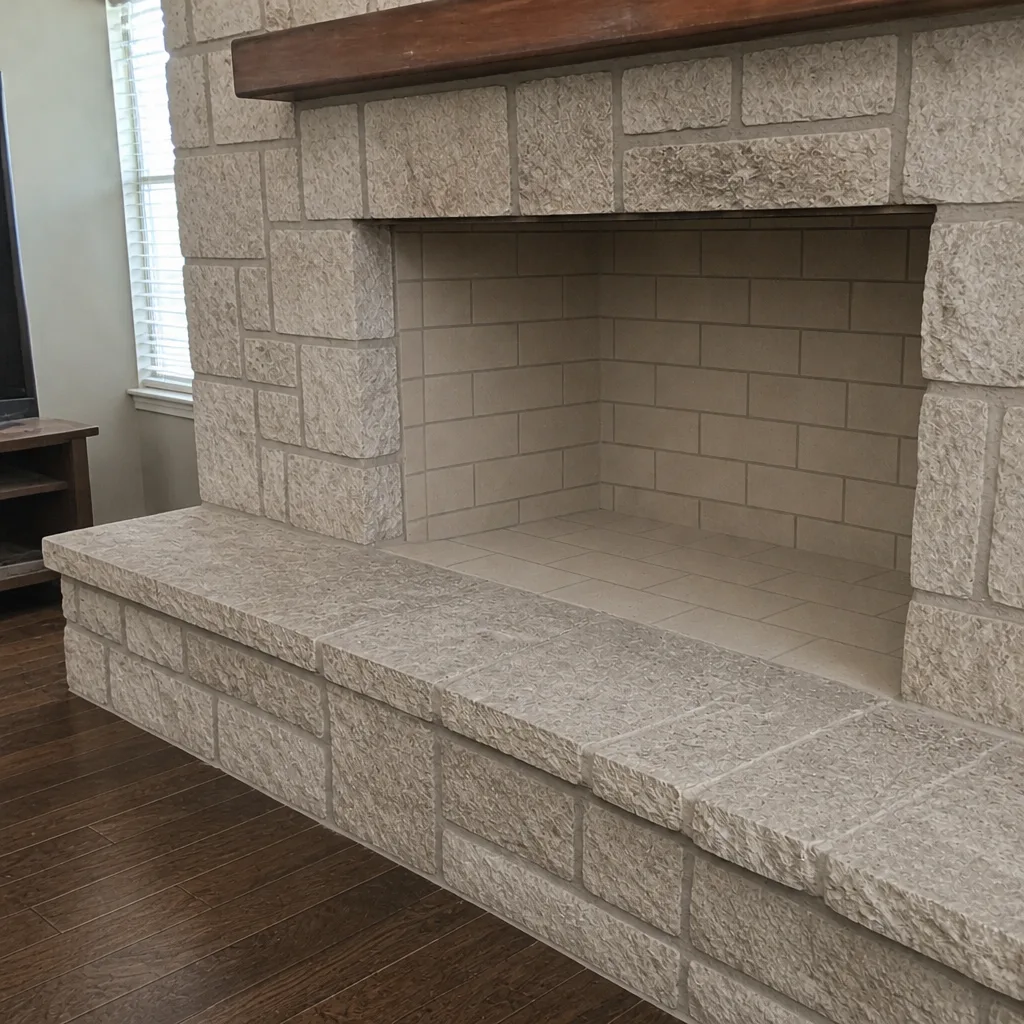
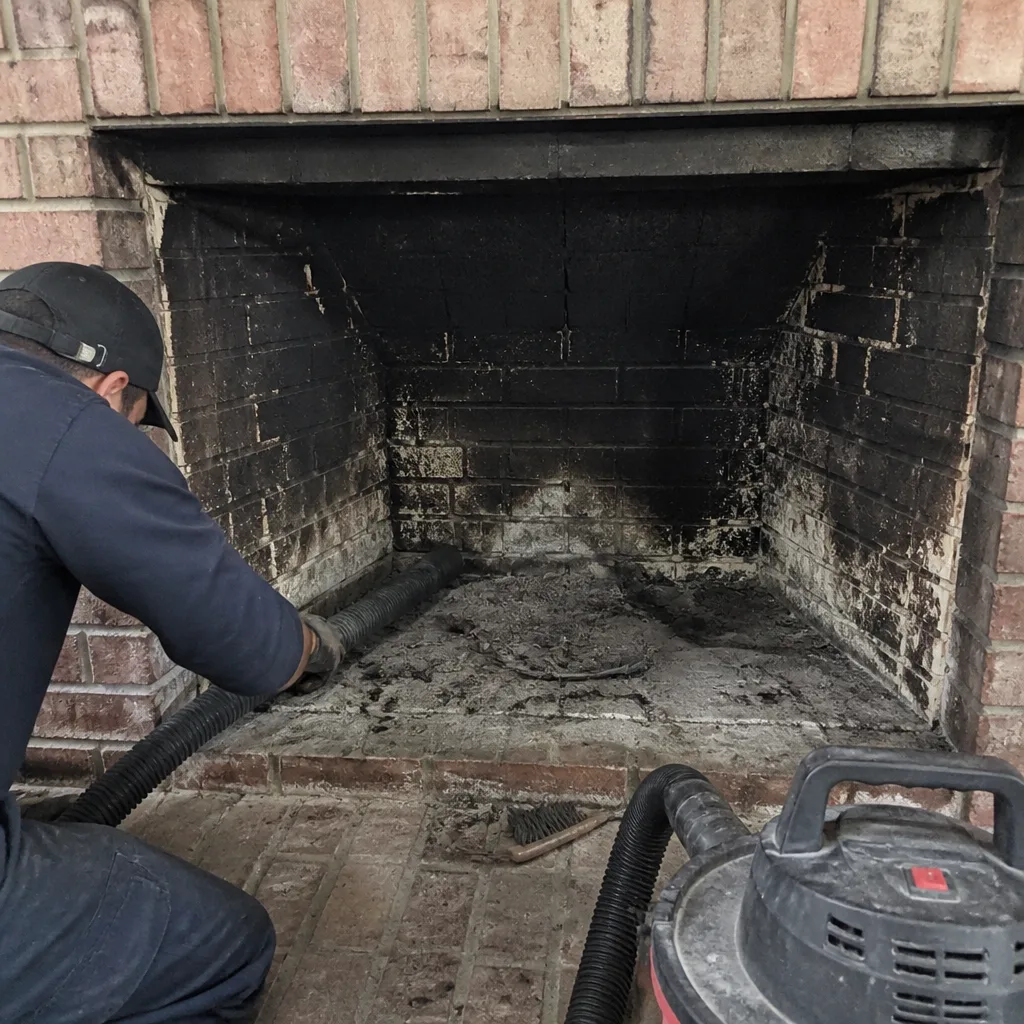
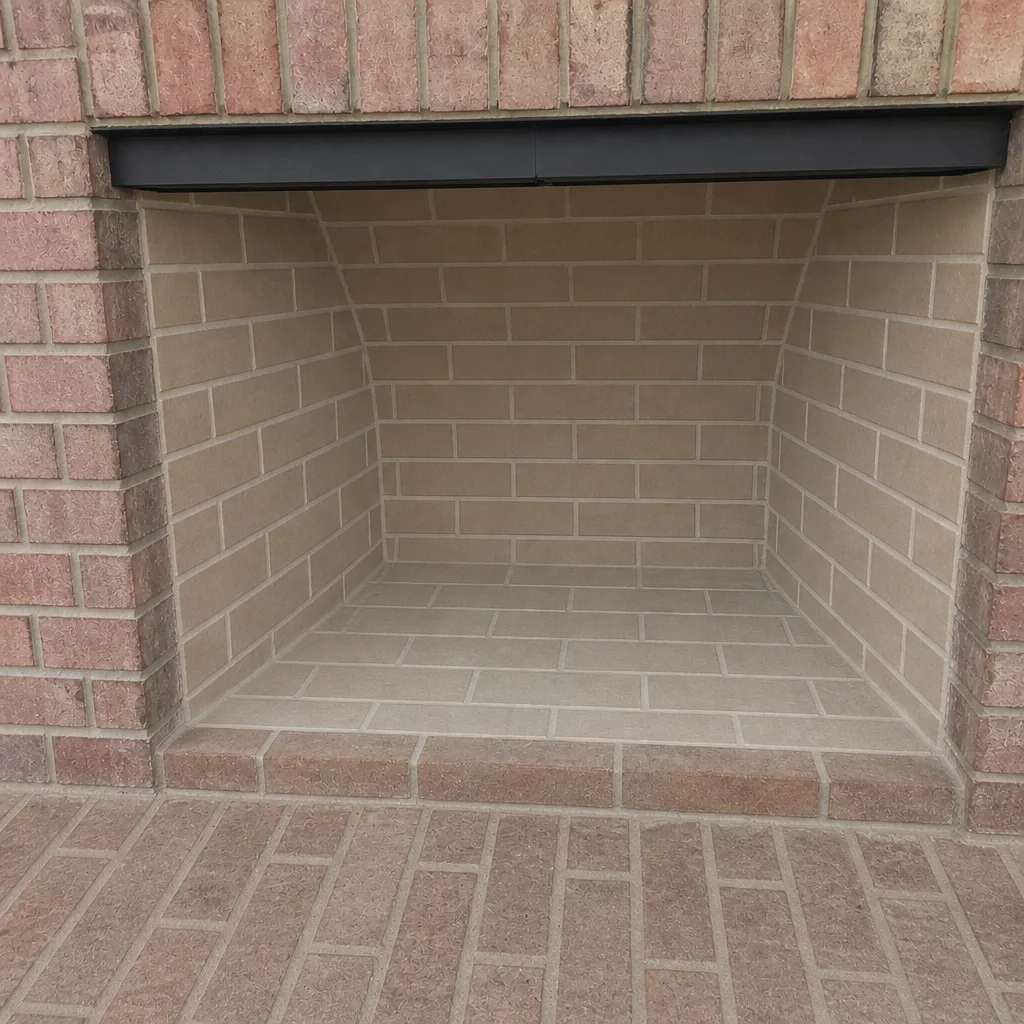
See the difference
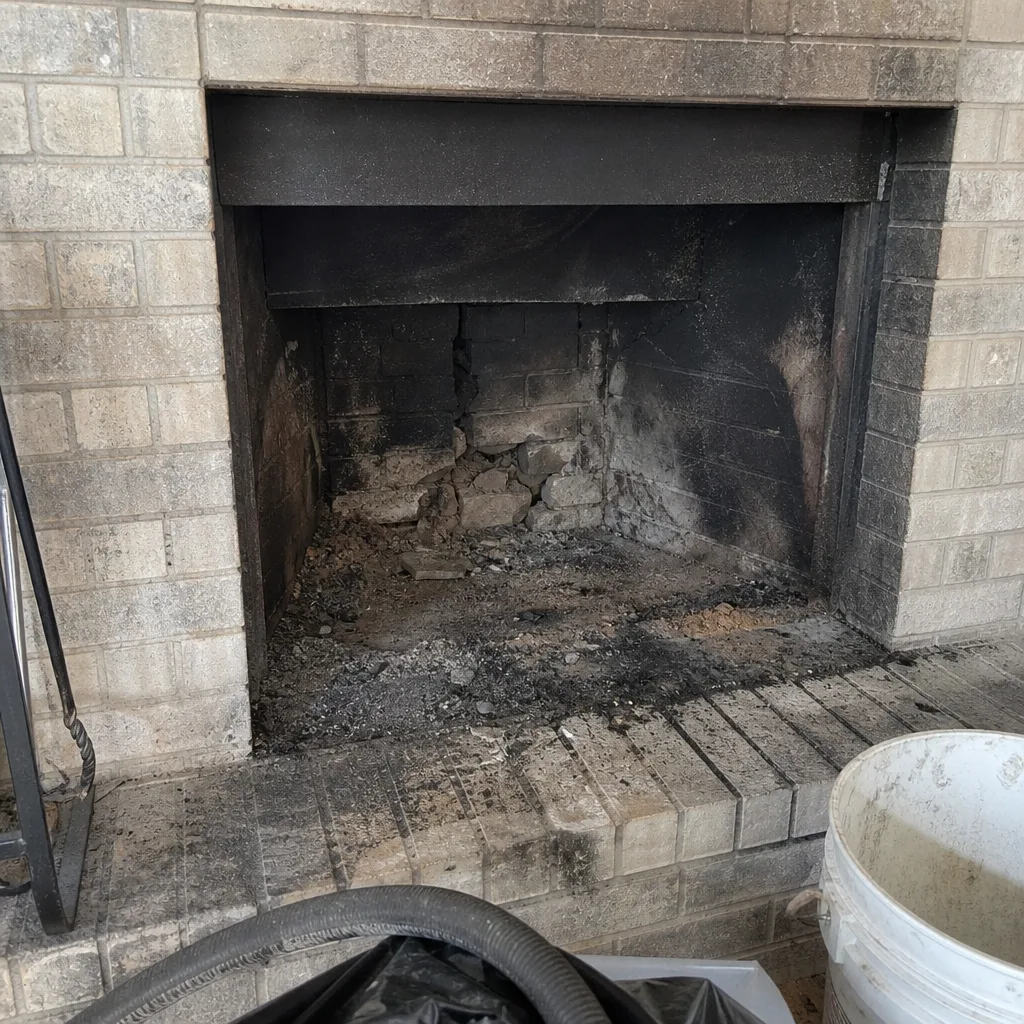 Before
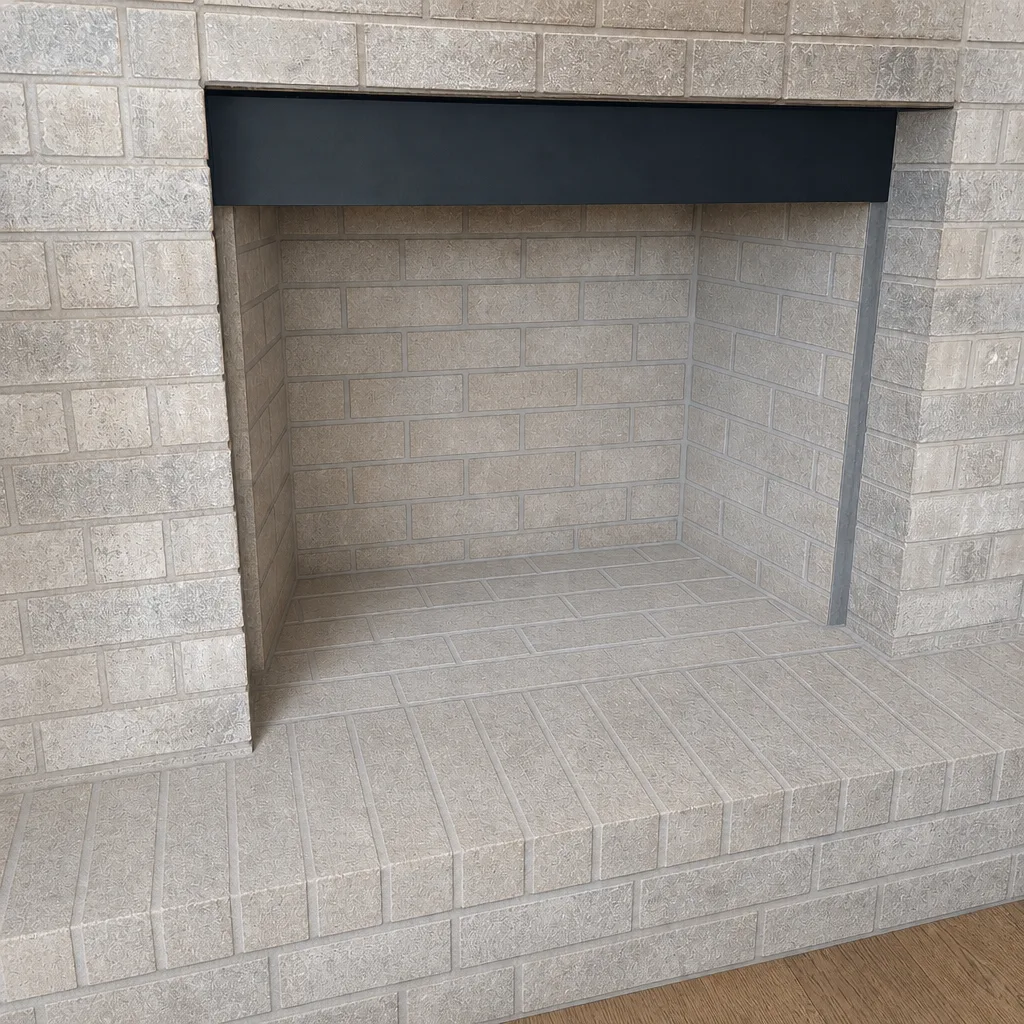 After
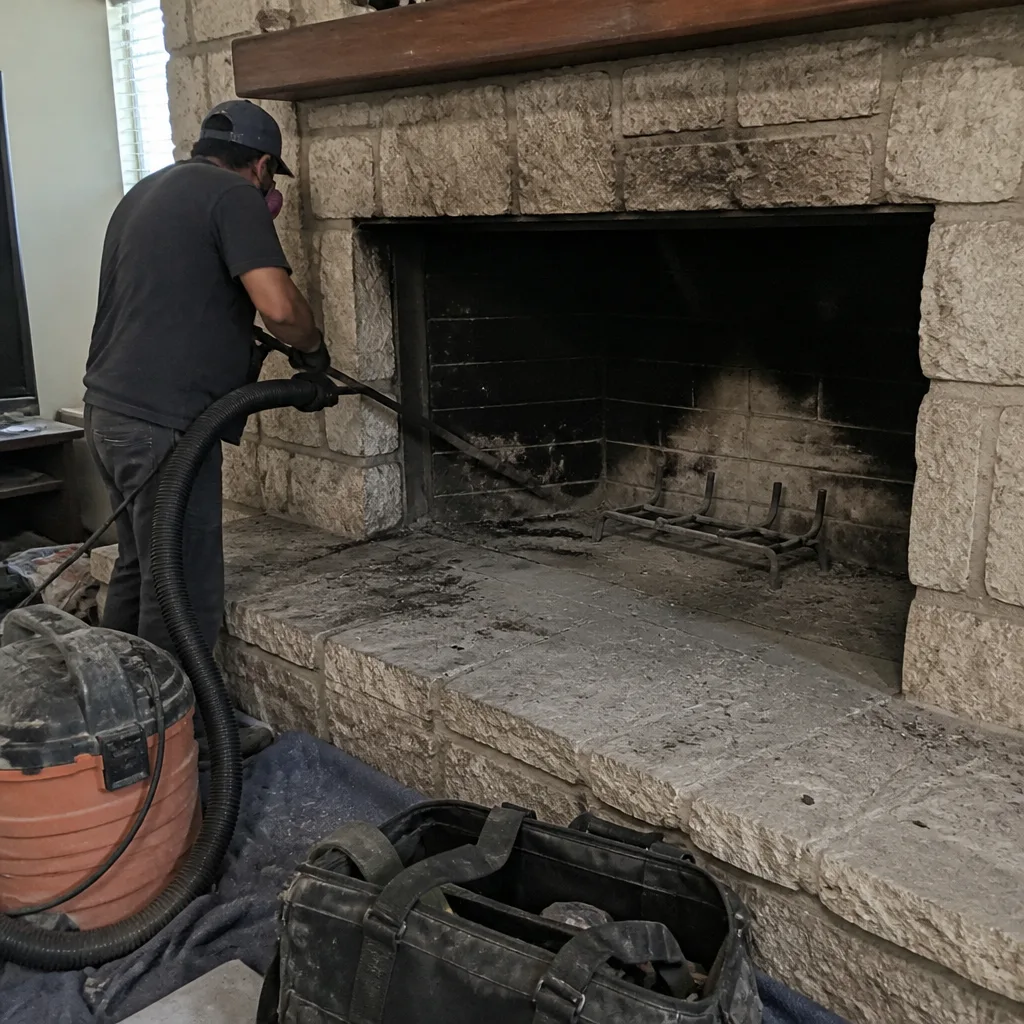 Before
 After
 Before
 After
When to Call a Professional
You don’t need to call a professional for every flicker or puff. But there are specific moments where a trained eye should be on the chimney before the next fire is lit.
- You’ve moved into a Kingwood home and don’t know when the chimney was last cleaned.
- A chimney fire has occurred, noticed or suspected.
- There’s a strong, unusual odor coming from the fireplace, even when it isn’t in use.
- The cap looks displaced or rusted after a storm, or the crown is visibly cracked.
- You’re in a real-estate transaction and need a Level 2 inspection with a written report.
- Smoke comes into the room during normal burning.
- It’s been more than a year since the last sweep and the fireplace has been used regularly.
Chimney Sweep Kingwood offers free estimates in Kingwood – call (844) 960-2344. Our technicians have up to 8 years of experience, we answer 24/7, and we dispatch from 7am to 7pm Sunday through Friday. We’re closed Saturday.
Frequently Asked Questions
A standard chimney cleaning in Kingwood typically costs $150 to $300 for a straightforward single-flue sweep, and $200 to $400 for homes with two-story runs or offset flues. Add $200 to $350 if a Level 2 inspection with photos is included. Call (844) 960-2344 for an exact quote – estimates are free.
Not necessarily, and that’s the honest answer. A liner is only recommended when a camera inspection shows cracks, gaps, or damage that a sweep can’t fix. Some damaged flues can be resurfaced with HeatShield’s ceramic system rather than fully relined, which is often a more cost-effective, code-compliant option. Nothing is recommended without camera evidence you can see. Call (844) 960-2344 for a free estimate.
Once a year for a regularly used wood-burning fireplace is the general recommendation, and it’s also the most economical approach because it keeps creosote at Stage 1. Gas fireplaces have different inspection needs but should still be checked annually. If you can’t remember your last sweep, that’s the sign to schedule one. Call (844) 960-2344 – estimates are free.
Creosote builds up inside the flue, and the more it builds, the harder it is to remove. Stage 1 sweeps out in a routine cleaning, but Stage 2 or Stage 3 creosote requires chemical treatment and can damage the liner, adding hundreds or thousands to the eventual bill. It also increases the risk of a chimney fire. Call (844) 960-2344 for an exact quote – estimates are free.
That gap almost always reflects scope, not greed. One bid may be a sweep only; the other may include a Level 2 camera inspection, a cap check, or treatment for Stage 2 creosote. Compare line items side by side and the difference explains itself. If a bid offers a lump sum, ask for itemization. Call (844) 960-2344 for a free estimate.
Winters in the Kingwood area are mild, so the main climate driver isn’t cold. It’s spring storms, which can displace caps and crack crowns, and the fact that many local subdivisions have offset or long flue runs that need flexible tooling. A Level 2 inspection after storm season is a reasonable habit. Call (844) 960-2344 for a free estimate.
The Bottom Line
Chimney cleaning cost in Kingwood comes down to three factors: the shape of your flue, the condition of your creosote, and the level of inspection included. A standard sweep runs $150 to $300, and everything above that reflects real scope, not padding. The single best money-saving decision is annual cleaning, because catching creosote at Stage 1 is dramatically cheaper than treating it later. When you compare bids, compare line items, not totals. When you’re asked to approve liner work, ask for photos. And when you want an honest read on what your chimney actually needs, Chimney Sweep Kingwood is here to help. We work with professional-grade brands including Gelco and Olympia Chimney, we handle everything from sweep to structural repair, and we give you a written estimate before anything starts. Call (844) 960-2344. We answer 24/7. Fast dispatch from 7am to 7pm, Sunday through Friday.
Written by the team at Chimney Sweep Kingwood.